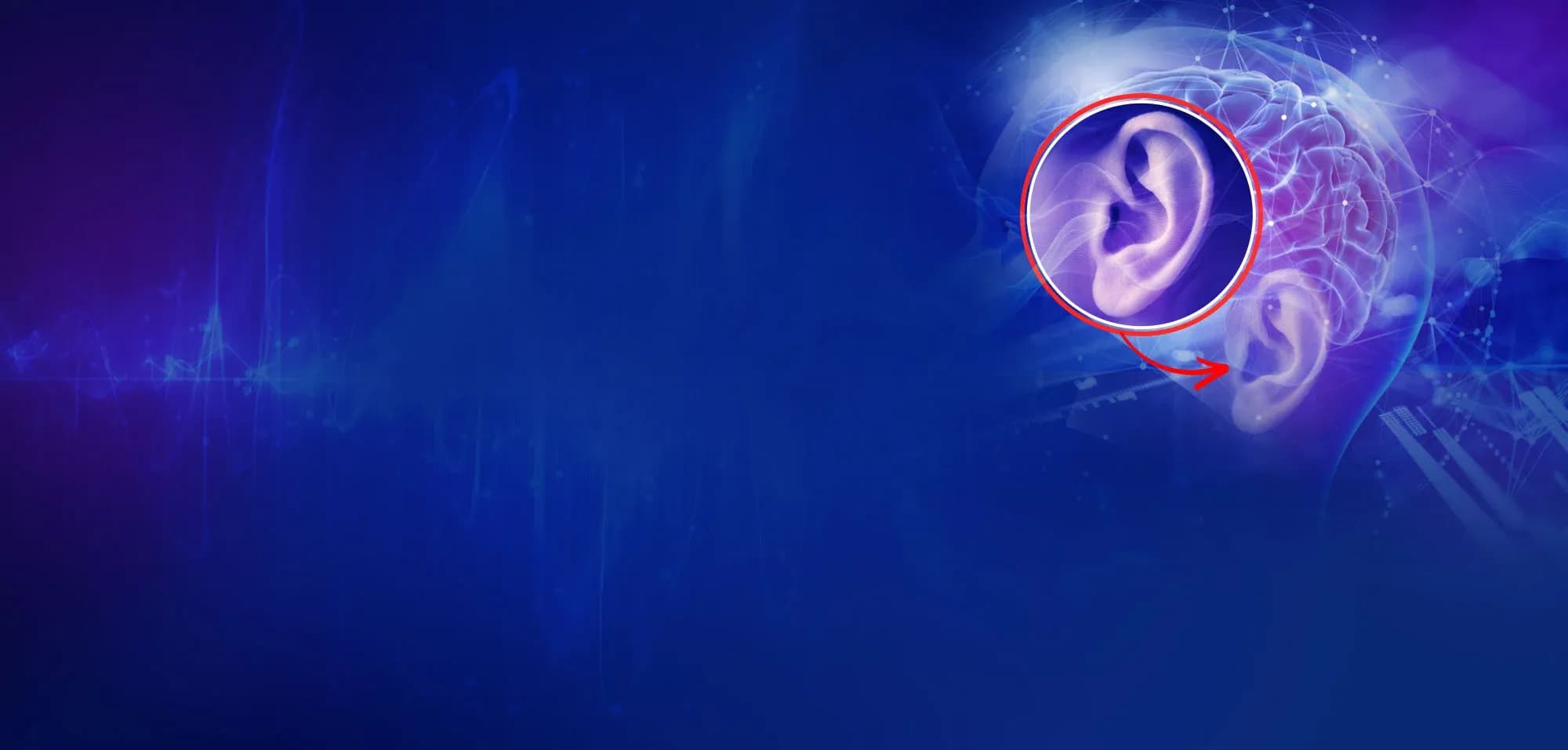
How Your Brain Decodes Speech at Lightning Speed: New Science Reveals the Secret
Groundbreaking research is shedding light on one of the brain's most impressive feats — the ability to rapidly pull individual words from a nonstop flow of spoken sound.

How Your Brain Decodes Speech at Lightning Speed
Every conversation you have involves an extraordinary act of mental processing. Words arrive as a continuous, unbroken stream of sound, yet your brain somehow identifies each one almost instantly — without missing a beat. Now, scientists are beginning to understand exactly how this remarkable feat is accomplished.
The Challenge of Understanding Speech
On the surface, listening to someone talk seems effortless. In reality, however, it represents one of the most complex tasks the human brain performs on a daily basis. Unlike written words, which are clearly separated by spaces, spoken language arrives as a fluid, uninterrupted chain of sounds. There are no natural pauses between words, yet listeners rarely struggle to tell where one word ends and the next begins.
This is precisely what makes the latest findings so significant. Researchers are now uncovering the specific mechanisms the brain uses to carve up this acoustic stream into recognizable, meaningful units — the individual words that form the building blocks of communication.
What the New Research Reveals
According to new scientific investigations, the brain is far more sophisticated in its speech-processing capabilities than previously appreciated. Rather than passively receiving sound, the brain actively analyzes incoming audio signals, using subtle acoustic cues to detect boundaries between words and assign meaning at remarkable speed.
This process happens so efficiently that listeners can comprehend spoken language almost in real time, even when speakers talk quickly or in noisy environments. Scientists believe the findings could have far-reaching implications for our understanding of human cognition, language development, and communication disorders.
Why This Discovery Matters
Understanding how the brain processes speech so efficiently is not purely an academic exercise. Insights gained from this type of research can inform the development of better hearing aids, more accurate voice recognition technology, and more effective treatments for individuals who struggle with language processing due to neurological conditions.
For researchers in linguistics, neuroscience, and artificial intelligence alike, unlocking the brain's speech-decoding strategies offers a powerful blueprint — one that human engineering is only beginning to replicate.