How the Stillaguamish Tribe Is Reclaiming Ancestral Land to Bring Back Salmon
A Native American tribe in Washington is purchasing farmland and dismantling levees to restore wetlands and revive endangered Chinook salmon populations.

A Tribe's Bold Plan to Restore Nature's Balance
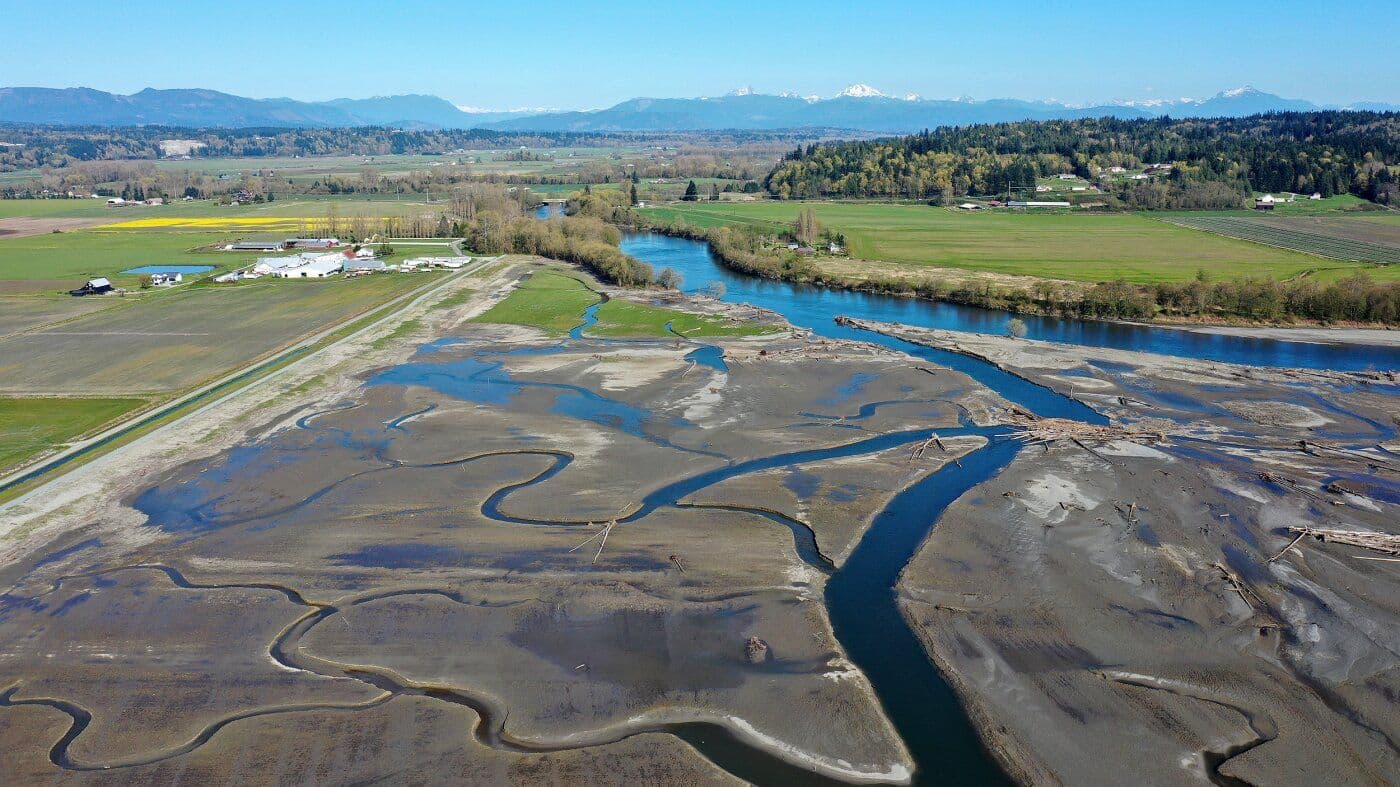
In the Pacific Northwest, where rivers once ran thick with salmon, a Native American nation is taking bold and deliberate action to turn back the clock on decades of environmental damage. The Stillaguamish Tribe of Washington state has launched an ambitious land restoration initiative — one that involves purchasing hundreds of acres of agricultural land and intentionally flooding it.
The mission is as straightforward as it is transformative: bring the Chinook salmon home.
Buying Back the Land, One Acre at a Time
The Stillaguamish Tribe has been strategically acquiring farmland situated within its ancestral territory. Rather than developing or cultivating this land for commercial purposes, the tribe has a very different vision in mind. By removing the levees that have long held back natural water flow, the tribe is allowing the land to return to its original wetland state.
This process — known as habitat restoration — is not simply about flooding fields. It represents a carefully planned ecological effort to recreate the complex, nutrient-rich environments that salmon depend on for survival and reproduction.
Why Wetlands Matter for Salmon
Chinook salmon, the largest of the Pacific salmon species, have seen their populations decline sharply over the past century. Agricultural expansion, urban development, and the construction of levees and dams have drastically altered the river systems and floodplains these fish rely on.
Wetlands play a critical role in the salmon life cycle. They provide:
- Sheltered nursery habitat for juvenile salmon to grow and develop
- Abundant food sources in the form of insects and invertebrates
- Natural water filtration that improves overall river health
- Flood buffering that stabilizes water temperatures and flow rates
By converting farmland back into functioning wetlands, the Stillaguamish Tribe is essentially rebuilding the ecological infrastructure that salmon need to thrive.
A Cultural and Ecological Imperative
For the Stillaguamish people, this effort goes far beyond environmental conservation. Salmon have been central to the tribe's culture, diet, and spiritual identity for thousands of years. The decline of Chinook salmon populations has not only disrupted local ecosystems but has also deeply impacted Indigenous communities whose way of life has long been intertwined with these fish.
Restoring salmon habitat is, in many ways, an act of cultural reclamation — a reconnection with ancestral traditions and a commitment to preserving them for future generations.
A Model for Conservation
The Stillaguamish Tribe's approach is drawing attention as an innovative and effective conservation model. Rather than waiting for government agencies to act, the tribe is taking direct ownership — both literally and figuratively — of the land and its ecological future.
This kind of Indigenous-led conservation effort highlights the powerful role that Native communities can play in environmental stewardship, particularly when it comes to landscapes and species they have protected for millennia.
As climate change continues to threaten aquatic ecosystems across the American West, initiatives like this one offer a compelling blueprint for how communities can take meaningful, on-the-ground action to restore what has been lost.