How Susan Powter Used Technology to Rebuild Her Life After Losing Everything
The '90s wellness icon Susan Powter went from multimillion-dollar empire to driving Uber Eats. Now she's using tech to take back control — on her own terms.

From Battle Cry to Burnout: The Susan Powter Most People Never Knew
If you grew up in the 1990s, you remember her instantly. Platinum buzz cut. Bare feet. Raw, unfiltered energy. And that phrase — "Stop the Insanity!" — that somehow still echoes through pop culture decades later.
Susan Powter was everywhere in the '90s. She built a wellness empire by rejecting diet culture and speaking plainly about real women's lives. Then, almost overnight, she vanished.
What most people never saw was what came after. Not a graceful exit or a quiet retirement — but financial devastation, deep isolation, and years of grinding poverty. Powter herself is clear: it was not a sudden fall. It was a long, slow grind that lasted years.
She spent nine years driving for Uber Eats, clocking eight to ten hours daily, seven days a week, just to earn between $80 and $100 a day to cover her basic bills.
But here is where the story takes a surprising turn — and why it feels so relevant right now. Technology did not contribute to her downfall. It became the foundation of her comeback.
How Susan Powter Built Her Original Wellness Empire
It Started at a Grocery Store in Texas
Powter's origin story has nothing to do with Hollywood boardrooms or marketing agencies. It begins in 1982, in Garland, Texas, where she was raising two babies born a year apart.
After her divorce, she gained over 130 pounds. She felt financially trapped, emotionally overwhelmed, and barely recognized herself. Then she started figuring things out — and sharing what she learned.
"I would go to the grocery store, Piggly Wiggly. This is the truth," she explains. Other mothers would approach her and compliment how she looked. Her response was always the same: "No, no, you don't understand. I figured out with modification you could be fit." And people would stop and listen. Right there in the grocery store aisle.
That moment was never a calculated marketing move. It was a single mother being honest with other women who were struggling. That honesty became her brand.
Classes followed. Then a studio. Then a full media machine. Yet Powter always resisted the labels people pinned on her.
"They always used to call me a fitness guru. I've never used that term," she says. Her preferred description is far more grounded: "I said, I'm just a housewife who figured it out and started talking to other housewives."
When the Business Became a Monster
As the money poured in, so did the chaos. Powter describes management dysfunction, mounting legal battles, and a business that began operating without her at its center.
"It became a monster," she says. "It started generating so much money, and then they started producing me out of me."
Her final legal bill alone came to $6.5 million.
Why She Walked Away and What Happened Next
One Paragraph Changed Everything
The breaking point came while she was living in Beverly Hills, when she uncovered what she describes as corrupt management and bad-faith business dealings. She realized the empire she had built no longer belonged to her in any meaningful way.
Her response was swift.
"I sent one paragraph to everyone — Simon & Schuster, Time Warner, all management, literary agents. And I said, so-and-so no longer represents Susan Powter. Stop the Insanity. One paragraph."
Then she left. She moved to Seattle and began teaching fitness classes in basements. Everything else was abandoned.
The Years Nobody Talks About
Powter is frustrated by the oversimplified version of her story that circulates online. She did not go from Beverly Hills to rock bottom in three years. The real timeline was far longer and far harder.
She lived at a welfare hotel called Harbor Island in Las Vegas for an extended period. She describes the experience as years of quiet poverty and shifting circumstances — not the dramatic collapse people prefer to imagine.
What she wants people to understand is what poverty actually does to a person's sense of self.
"It's soul-sucking, dehumanizing," she says.
She recalls one particularly brutal day — walking eight miles through Las Vegas heat that reached 120 degrees. The dollar store flip-flops she was wearing literally melted beneath her feet.
"That's when you feel dehumanized," she says.
During those years, she drew strength from a piece of advice she had received earlier in her career from the late Joan Rivers: "You hang on, kid. This is a tough game." When her world fell apart, Powter says she often asked herself, "What would Joan Rivers do?"
How Technology Became Susan Powter's Lifeline
Not a Productivity Hack — a Survival Tool
Powter does not talk about technology casually. She talks about it the way someone speaks about something that kept them alive.
A smartphone. An app. Digital platforms. These were not trendy tools she adopted reluctantly. They were practical instruments she used to find her way back.
"I'm internet obsessed, and I'm proud to say it," she says. She acknowledges the darker side of being constantly connected — but she does not let that overshadow what the internet made possible for her.
Her core strategy, stated plainly: "I'm going to digitalize everything. I'm going to sell it myself. I'm going to own everything."
That philosophy will resonate immediately with anyone who has ever worked as a creator, freelancer, or independent founder. When you stop waiting for gatekeepers to give you permission, you start building something that actually belongs to you.
Gig Work as a Bridge, Not a Dead End
For nine years, Uber Eats was how she survived. It was unglamorous, physically demanding, and financially tight. But it also gave her something she had lost during the height of her fame: direct, transparent control over her income.
There were no hidden royalty structures or management fees. She could see exactly what she earned and why.
After years of that kind of clarity, data feels like protection. She now says she plans to monitor her analytics and bank balance constantly — not out of anxiety, but out of hard-won wisdom.
"Access to what is happening now matters, especially for 68-year-olds," she says.
For anyone who assumes technology is purely the domain of younger generations, Powter's story makes a compelling counter-argument.
Susan Powter's New Digital Playbook
Instagram, TikTok, and Owning the Narrative
Powter is not easing back into public life with caution. She is going all in.
She describes herself as "obsessed with TikTok and Instagram" and is actively exploring TikTok Shop as a revenue channel. Her approach to content is entirely in keeping with who she has always been — high energy, brutally honest, and completely allergic to performative polish.
"It's kind of like affiliate marketing on acid," she laughs.
She also draws a clear distinction between how she wants to show up online versus how most brands operate. Her goal is to demonstrate and educate — not to push products through manufactured enthusiasm.
"I'll recommend show and tell, not sell what I want to be," she explains.
Building a Brand in Real Time
Beyond individual posts, Powter is thinking about long-form content. She is planning what she describes as vertical reality TV — documenting the brand rebuild as it happens, filming community gatherings, and retaining full ownership of everything she creates.
"I'll film it, I'll own the content, I'll put it up live. We're done," she says.
The ownership piece is non-negotiable this time around.
The Book, the Documentary, and the Real Message
A Memoir Written as a Letter to a Dead Dog
Powter's memoir, titled "And Then EM Died: Stop the Insanity, A Memoir," is available on Amazon. She describes it as a letter to her late dog — and notes, with unmistakable satisfaction, that it is the first product she has ever fully owned across her entire career.
"I get to see every sale," she says.
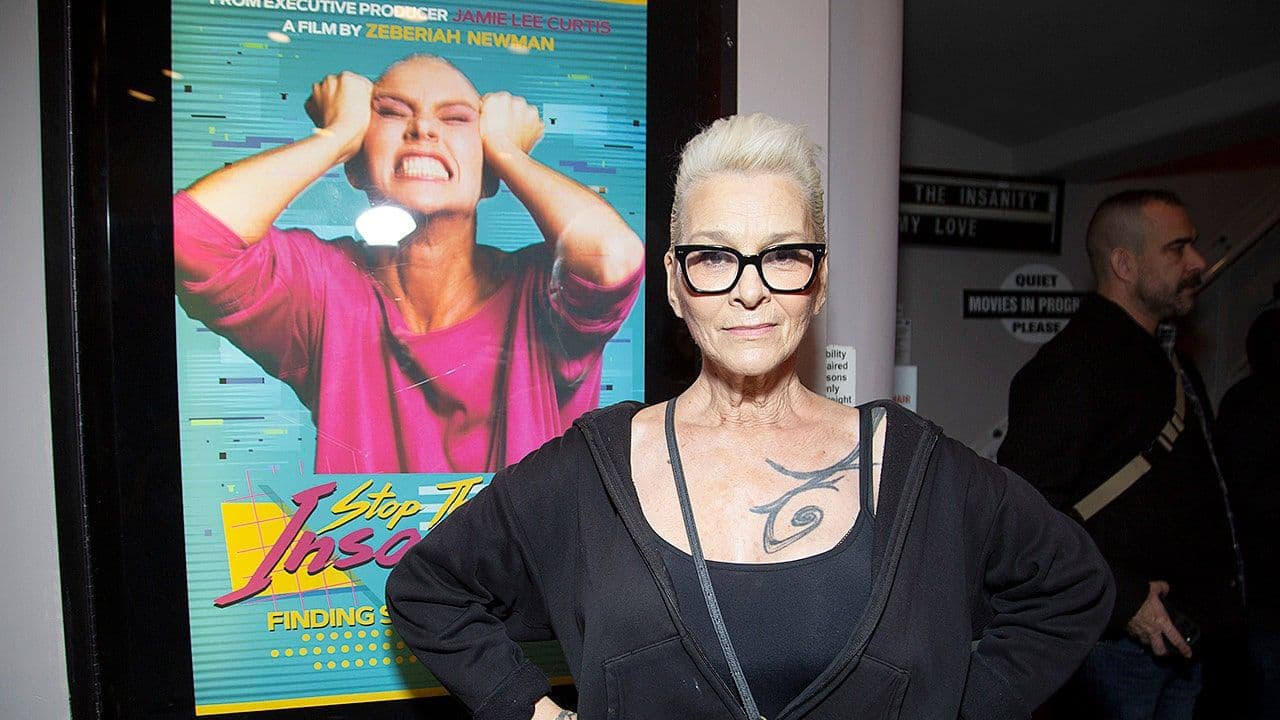
The accompanying documentary, "Stop the Insanity: Finding Susan Powter" — executive-produced by Jamie Lee Curtis and directed by Zeb Newman — is available on both Amazon and Apple TV.
What Actually Kept Her Going
Powter resists the kind of clean, inspirational narrative arc that gets packaged and sold. Her survival story is not tidy. It is not peaceful. And she will not pretend otherwise.
"The only reason I survived anything... No, I died a million deaths," she says.
What carried her through? Her answer is unexpectedly candid.
"A lot of it was rage. I wasn't going down like that."
But she does not leave it there. After everything — the empire, the collapse, the decade of quiet struggle — she lands on something that feels genuinely earned:
"It doesn't matter what happened. To hell with that. My being survived."
What Susan Powter's Comeback Actually Teaches Us About Tech
Powter's story resonates because it is not a fairy tale. A very public identity collapsed. Private life became heavier than anyone on the outside could see. And yet the tools most of us associate with distraction and wasted time turned out to be exactly what she needed to find leverage again.
She is not claiming technology fixes everything. She knows the pitfalls. But she also knows its power firsthand — and she is using it the same way she has always done everything: loudly, honestly, and entirely on her own terms.
The question her story leaves behind is worth sitting with: if your life fell apart tomorrow, would your relationship with technology help you rebuild — or make things harder?

