How Smartglasses Are Transforming Lives for People With Visual and Hearing Impairments
Beyond privacy debates, smartglasses are quietly revolutionizing daily life for millions living with visual impairments and hearing loss.

Smartglasses Are Changing Lives — and the Conversation Needs to Catch Up
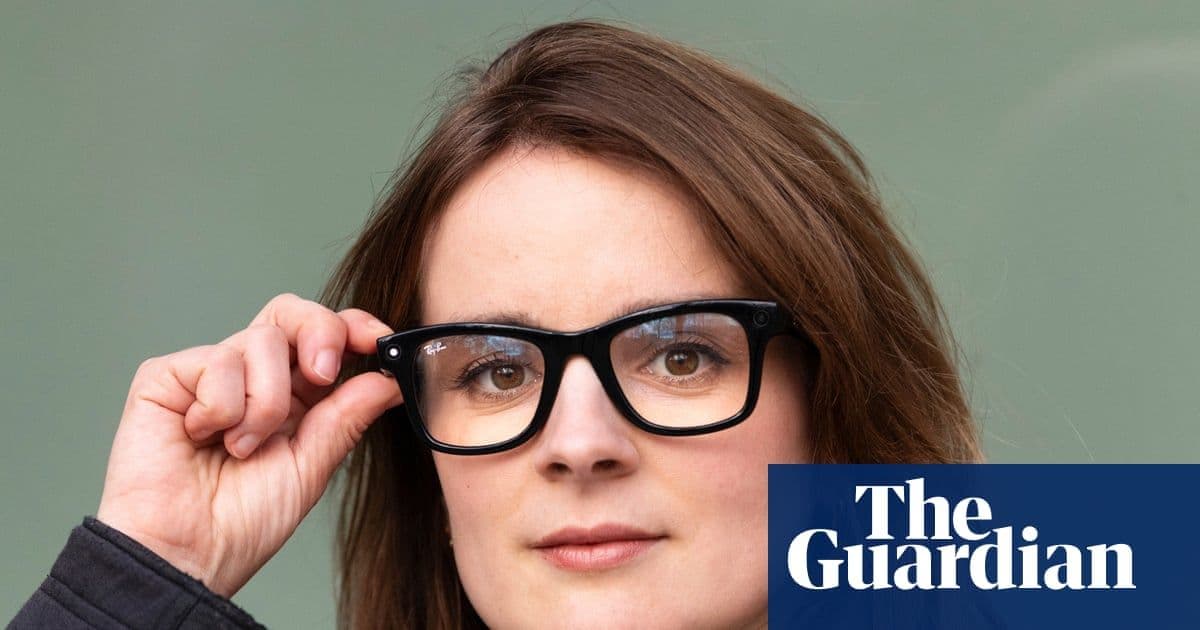
When journalist Elle Hunt published her account of spending a month wearing Ray-Ban Meta smartglasses, the response was largely focused on one thing: privacy. Her piece, which described feeling like a "creep" while wearing the device in public, sparked widespread debate. But for a significant and often overlooked group of people, that conversation is missing something crucial — the profound, everyday impact this technology is already having on those living with disabilities.
A Lifeline for the Visually Impaired
Sherine Krause, chief executive of Sutton Vision, a charity dedicated to supporting people with visual impairments, acknowledges the legitimate concerns around privacy. She agrees that technology protocols must continue to evolve to protect the public from misuse. However, she is equally passionate about highlighting what these devices are already delivering for blind and visually impaired individuals.
"We are seeing significant numbers of our visually impaired staff and clients using Meta glasses alongside their mobile phones to carry out tasks that most people simply take for granted," Krause explains.
Those tasks include reading household bills, identifying approaching buses, making hands-free phone calls, and even deciphering cooking instructions on food packaging. For more than two million visually impaired people in the UK, this is not a novelty — it is a meaningful restoration of independence.
Krause is candid about the commercial realities. The visually impaired population, while substantial, may not represent a large enough market to drive development on its own. Her hope is that privacy concerns are resolved swiftly, ensuring that this genuinely transformative technology continues to be refined and made widely available.
Real-Time Captions: A Game-Changer for the Hard of Hearing
The benefits extend well beyond vision. Laurence Amery of Hastings, East Sussex, has experienced progressive hearing loss since the age of ten — a condition that derailed his career, dismantled his social life, and caused years of significant personal hardship.
His experience with smartglasses has been nothing short of revolutionary. After discovering AirCaps, a smartphone application paired with Rokid smartglasses, Amery found a solution that converts live speech into accurate, real-time captions displayed directly on the lenses — essentially providing subtitles for everyday life.
"It has been 100% reliable so far," he notes, drawing a clear distinction between his experience and the inconsistencies described in Hunt's review.
For people with hearing loss, Amery argues that the era of truly functional, wearable captioning technology has already arrived. He does add a note of wry humor: at least when bystanders accuse smartglass wearers of being "creeps" for wearing "pervert glasses," people like him will finally be able to hear exactly what is being said.
Reading the World Again — One Plaque at a Time
Vaughan Lewis from Pontardawe in Neath Port Talbot lives with juvenile macular dystrophy, a condition that has robbed him of his central vision. His Meta smartglasses have given him back something he had not experienced in over three decades: the ability to read.
He now reads newspapers regularly — something unthinkable for him in recent memory. A monthly Welsh language magazine that once sat beyond his reach is now accessible with a simple voice command: "Hey Meta, look and translate into English."
At Worcester Cathedral, Lewis was able to read wall plaques independently for the first time in years. A Latin inscription? The glasses handled that too. During a visit to the National Maritime Museum, he explored the exhibits entirely on his own, reading every display without requiring assistance from staff or companions.
Even a chance encounter with a Ferrari on the streets of Kensington became an unexpectedly rich experience — the glasses identified the car and provided a full breakdown of its details on request.
"Certainly a life-enhancing device," Lewis concludes — an understatement that speaks volumes.
Reframing the Smartglass Debate
The privacy concerns surrounding smartglasses are real and deserve serious attention. But so does the human story unfolding on the other side of that debate. For individuals living with visual impairments or hearing loss, these devices are not a surveillance risk — they are a tool for reclaiming independence, connection, and dignity.
As the technology matures and safeguards improve, it is essential that the voices of disabled users remain central to how society evaluates, regulates, and ultimately embraces wearable technology.