How Simple Escape Hatches in Lobster Pots Are Saving Marine Life
A clever redesign of lobster pots along the East Yorkshire coast is helping protect thousands of marine creatures from accidental capture each year.

A Small Change Making a Big Difference Beneath the Waves
A straightforward engineering tweak to lobster pots used by fishermen along the East Yorkshire coastline is proving to be a powerful tool in the fight against one of the fishing industry's most persistent environmental problems — bycatch.
By incorporating a small escape hatch into the side of traditional lobster pots, fishermen are now allowing juvenile lobsters, fish, and other unintended marine life to swim free before ever reaching the surface. The modification is simple, low-cost, and increasingly seen as essential to the long-term sustainability of the shellfishing industry.
What Is Bycatch and Why Does It Matter?
Bycatch refers to the unintentional capture of marine species that were never the intended target of a fishing operation. It is a growing source of alarm among marine conservationists worldwide.
A recent report published by Wildlife and Countryside Link revealed the alarming scale of the problem in UK waters alone:
- Thousands of protected seabirds are killed annually through bycatch
- More than 1,000 porpoises and dolphins lose their lives each year
- Dozens of whales are also affected
One particularly striking incident occurred three years ago on a Bridlington beach, where dozens of seabirds perished after becoming entangled in an abandoned fishing net — a tragic example of the real-world consequences of inadequate gear management.
Fishermen Speak Out on the New Design
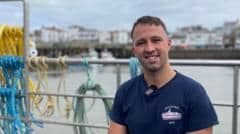
Grant Watson, a crew member aboard the Bridlington-based fishing vessel Dylharis, has witnessed the benefits of the redesigned pots firsthand. He describes the escape hatches as a genuine step forward for both the environment and the industry's future.
"It's letting the smaller stuff get out. It reduces fighting in the pots between species and it's cutting down on deaths inside the pots," Watson explained.
He emphasized that fishermen are far from indifferent to the health of the ocean ecosystem around them.
"Marine life needs to be there for our future as well, and if we can help it, then it also helps our industry. We're all conscious of nature as fishermen, and there's some amazing wildlife out there."
The report also highlighted the efforts of fisherman Rex Harrison, who independently redesigned his own nets specifically to reduce the number of seabirds accidentally caught — a testament to the growing environmental awareness within the fishing community.
Conservation Groups Call for Government Action
While the fishing industry is taking meaningful steps at a grassroots level, marine conservation organizations are urging the government to go further and faster.
Yorkshire Wildlife Trust, alongside several other marine conservation bodies, is pressing ministers to implement a formal national strategy to tackle bycatch head-on.
Andy van der Schatte Olivier, Marine Programme Manager at Yorkshire Wildlife Trust, described government intervention as "vital" for the survival of numerous species. Although he acknowledged that the trust was collaborating productively with local fishermen to raise awareness and reduce accidental capture, he stressed that policy-level action was urgently needed.
"We are calling for the government to immediately put in a bycatch action plan," he stated.
A spokesperson for Wildlife and Countryside Link added that the government had been slow to formulate concrete plans, noting that existing regulations even prevent fishermen operating near UK shores from attaching acoustic deterrent devices to their nets — tools that could help keep dolphins at a safer distance.
The Government's Response
The Department for Environment, Food and Rural Affairs (DEFRA) has confirmed its commitment to ocean health and outlined existing initiatives aimed at addressing the bycatch problem.
A departmental spokesperson stated: "This government is committed to restoring our oceans to good health and we are taking action to reduce the bycatch of marine species."
Key government measures currently in place or in development include:
- The Clean Catch Programme — a flagship initiative using electronic monitoring technology to gather bycatch data and assess the effectiveness of mitigation strategies
- A new Seabird Bycatch Action Plan — designed to reduce the number of seabird deaths occurring in and around English waters
- Deterrent trials — ongoing since 2019, testing various methods to reduce accidental marine mammal capture
An Industry and Environment That Must Coexist
The story unfolding along the East Yorkshire coast reflects a broader truth about the relationship between commercial fishing and marine conservation — they are not mutually exclusive. The growing adoption of escape hatches in lobster pots demonstrates that even modest innovations can yield meaningful environmental benefits while simultaneously supporting the long-term viability of the fishing industry itself.
As pressure mounts on governments to act decisively, the collaboration between local fishermen and conservation organizations offers an encouraging model for how industry and ecology can work hand in hand toward a healthier ocean future.