How London, Beijing, and San Francisco Are Winning the War on Air Pollution
Nineteen cities worldwide have slashed dangerous air pollutant levels by over 20% since 2010. Here's how they did it — and why it matters for your health.

Cities Around the World Are Breathing Easier — And Science Proves It
A sweeping new analysis has revealed that 19 major cities across the globe have achieved what researchers are calling "remarkable reductions" in air pollution, successfully cutting levels of two of the most harmful airborne pollutants by more than 20% since 2010. Among the standout performers are London, San Francisco, and Beijing — cities that have long struggled with dangerously poor air quality.
What the Data Actually Shows
The analysis, which examined air quality data from nearly 100 cities participating in the C40 and Breathe Cities networks, found that deliberate policy action can produce substantial improvements in air quality within just 15 years.
Two specific pollutants were at the center of the study:
- PM2.5 – fine particulate matter that can penetrate deep into the bloodstream and damage vital organs
- NO2 – nitrogen dioxide, a toxic gas that harms the respiratory system and contributes to acid rain
The Top Performers
Beijing and Warsaw led the charge in reducing PM2.5 levels, each achieving cuts of more than 45%. Meanwhile, Amsterdam and Rotterdam recorded the most dramatic improvements in nitrogen dioxide concentrations, with reductions exceeding 40%.
San Francisco stood out as the only American city to reduce both pollutants by more than 20%. Notably, China and Hong Kong account for nine of the 19 high-achieving cities, with European cities comprising the remainder.
Key Strategies That Drove the Improvements
The report highlighted a range of targeted interventions that contributed to cleaner urban air:
- Electric vehicle adoption – China's accelerated transition away from combustion engine cars played a significant role in reducing particulate emissions
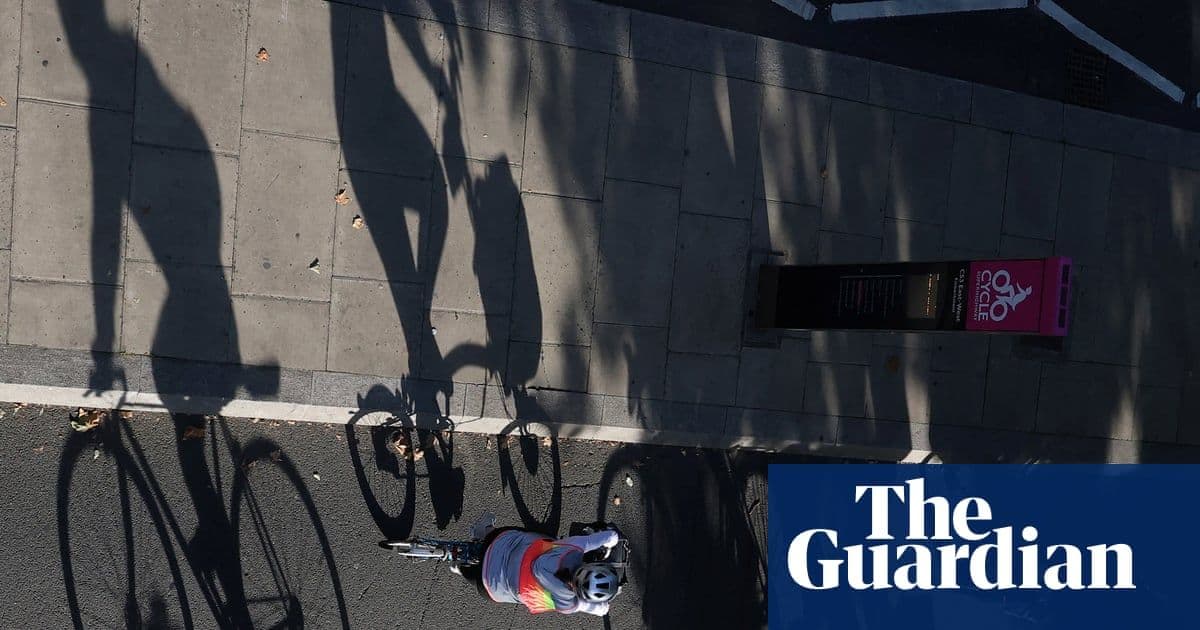
- Cycling infrastructure – The expansion of dedicated cycle lanes in densely populated European cities helped reduce vehicle traffic and associated emissions
- Vehicle restrictions – London's low emission zones and clean air policies effectively banned the most polluting vehicles from city roads
- Cleaner home heating – Warsaw made significant strides by moving residents away from coal and wood-burning heating systems
While the report did not specifically distinguish between the impact of local versus national policies, the overall message is clear: coordinated action works.
Why This Matters for Human Health
Air pollution caused by burning fossil fuels represents one of the most serious threats to public health worldwide. The health consequences are both wide-ranging and severe.
Fine particulate matter is particularly insidious — its microscopic size allows it to slip past the body's natural defenses, enter the bloodstream, and cause damage to organs ranging from the brain to the reproductive system. Nitrogen dioxide, meanwhile, directly irritates and damages the airways.
Dr. Gary Fuller, an air pollution scientist at Imperial College London, emphasized the significance of these findings. "Air pollution is often presented as a problem that is too difficult to solve and one that is politically unpopular," he said. "This report shows that bold policies can improve the air that we breathe."
A Lifelong Health Threat
The damage caused by polluted air is not confined to a single stage of life. Research shows that exposure to air pollution is linked to:
- Low birth weight in newborns
- Childhood asthma and respiratory conditions
- Cancer and cardiovascular disease in adults
- Cognitive decline and dementia in older populations
"All of these illnesses exert a massive toll on families, hamper our economies — as people are off work ill or looking after others — and exert a direct cost on our health services," Fuller noted. "All of these illnesses are preventable."
There is no recognized safe threshold for PM2.5 exposure, but health experts estimate that adhering to established air quality guidelines could save millions of lives every single year.
A Blueprint for Cleaner Cities
The findings offer an encouraging and actionable blueprint for cities still struggling with toxic air. From investment in green transport infrastructure to stricter emissions regulations and the phasing out of fossil fuel-based heating, the evidence is mounting that urban air quality can be transformed — not over generations, but within a single decade. The cities that have already made these changes prove it is possible. Now the question is whether others will follow their lead.

