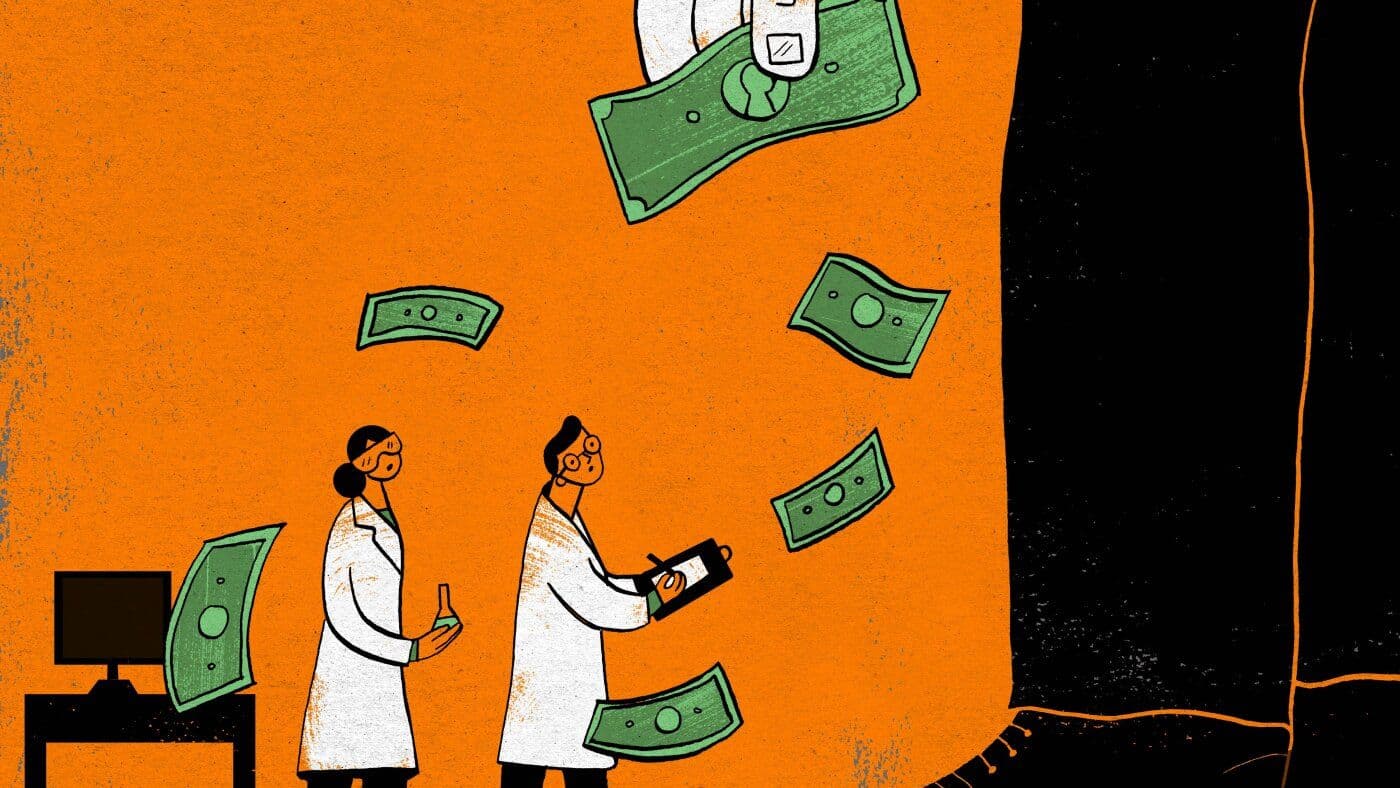
How Jeffrey Epstein Used Scientific Philanthropy to Buy Influence and Shield His Reputation
Philanthropy funds a huge portion of scientific research with minimal oversight. Jeffrey Epstein exploited this gap to gain access and credibility among elite scientists.

The Hidden Power Behind Scientific Philanthropy
Philanthropy quietly drives a substantial portion of scientific research funding across the United States and beyond. Unlike government grants or corporate investments, private charitable giving operates in a space with remarkably little legal scrutiny or public accountability. That gap between generosity and oversight has consequences — and few cases illustrate those consequences more starkly than the story of Jeffrey Epstein.
A System Built on Trust — and Vulnerability
When wealthy individuals donate to scientific institutions, they gain something far more valuable than a tax deduction. They gain access. They gain credibility. They gain the ability to shape conversations, influence priorities, and associate their names with some of the most respected minds in the world.
Experts who study the intersection of money and academia describe philanthropy as a significant form of power — one that operates largely outside the checks and balances applied to other funding sources. There are no congressional hearings, no competitive peer reviews, and often no public disclosures required when a private donor writes a check to a university lab or research institute.
Why Oversight Is So Limited
Government science funding, such as grants from the National Institutes of Health or the National Science Foundation, must pass through rigorous application processes, ethical reviews, and public reporting requirements. Corporate funding, while sometimes controversial, is subject to shareholder scrutiny and regulatory frameworks.
Private philanthropy, by contrast, exists in a far more loosely regulated space. Donors can give directly to individual researchers, fund special programs, or endow entire departments with comparatively little formal review of their motives, background, or conduct.
How Epstein Exploited the System
Jeffrey Epstein — the financier who was convicted of sex crimes and faced far more serious federal charges before his death in 2019 — understood this dynamic and used it strategically. By positioning himself as a generous patron of science, he was able to cultivate relationships with prominent researchers and respected academic institutions.
These relationships served a dual purpose. They provided him with intellectual prestige and social legitimacy while simultaneously creating a buffer against scrutiny of his criminal behavior. In effect, Epstein used charitable donations to launder not money, but his own reputation.
Scientists and Institutions Caught in the Web
Several high-profile scientists and elite universities were linked to Epstein's financial contributions. Some recipients later expressed regret or claimed ignorance of the full extent of his crimes. But the pattern itself reveals a systemic vulnerability: when institutions are hungry for funding and donors face little vetting, bad actors can find their way into trusted circles.
The reputational cover that philanthropy provided Epstein allowed him to continue operating socially and professionally in elite scientific circles even as allegations against him circulated for years.
The Bigger Question: Who Is Science Accountable To?
Epstein's exploitation of scientific philanthropy raises important questions that extend well beyond one individual's crimes. The core issue is structural. When a significant portion of research funding flows through private channels with minimal transparency, the scientific community becomes vulnerable to influence — and manipulation — by those with questionable intentions.
Reformers and ethicists have called for stronger vetting processes for major donors, greater transparency around private funding arrangements, and clearer institutional policies on returning or refusing donations from individuals under legal scrutiny.
What Meaningful Reform Could Look Like
- Mandatory disclosure of large private donations to academic and research institutions
- Independent ethics reviews before major philanthropic partnerships are formalized
- Clear guidelines for institutions on how to respond when a donor faces criminal allegations
- Public registries of significant science philanthropy, similar to lobbying disclosures
Conclusion
Philanthropy has long been celebrated as a force for good in scientific progress — and in many cases, it genuinely is. But the Jeffrey Epstein case serves as a sobering reminder that unregulated generosity can be weaponized. Without meaningful oversight, the world of science philanthropy remains an arena where power, reputation, and access can be bought — and where accountability comes far too late.

