How Goldfish Released Into the Wild Are Silently Destroying Freshwater Ecosystems
Goldfish may seem harmless, but a new study proves they can devastate lakes and rivers when released into the wild.

When a Beloved Pet Becomes an Ecological Nightmare
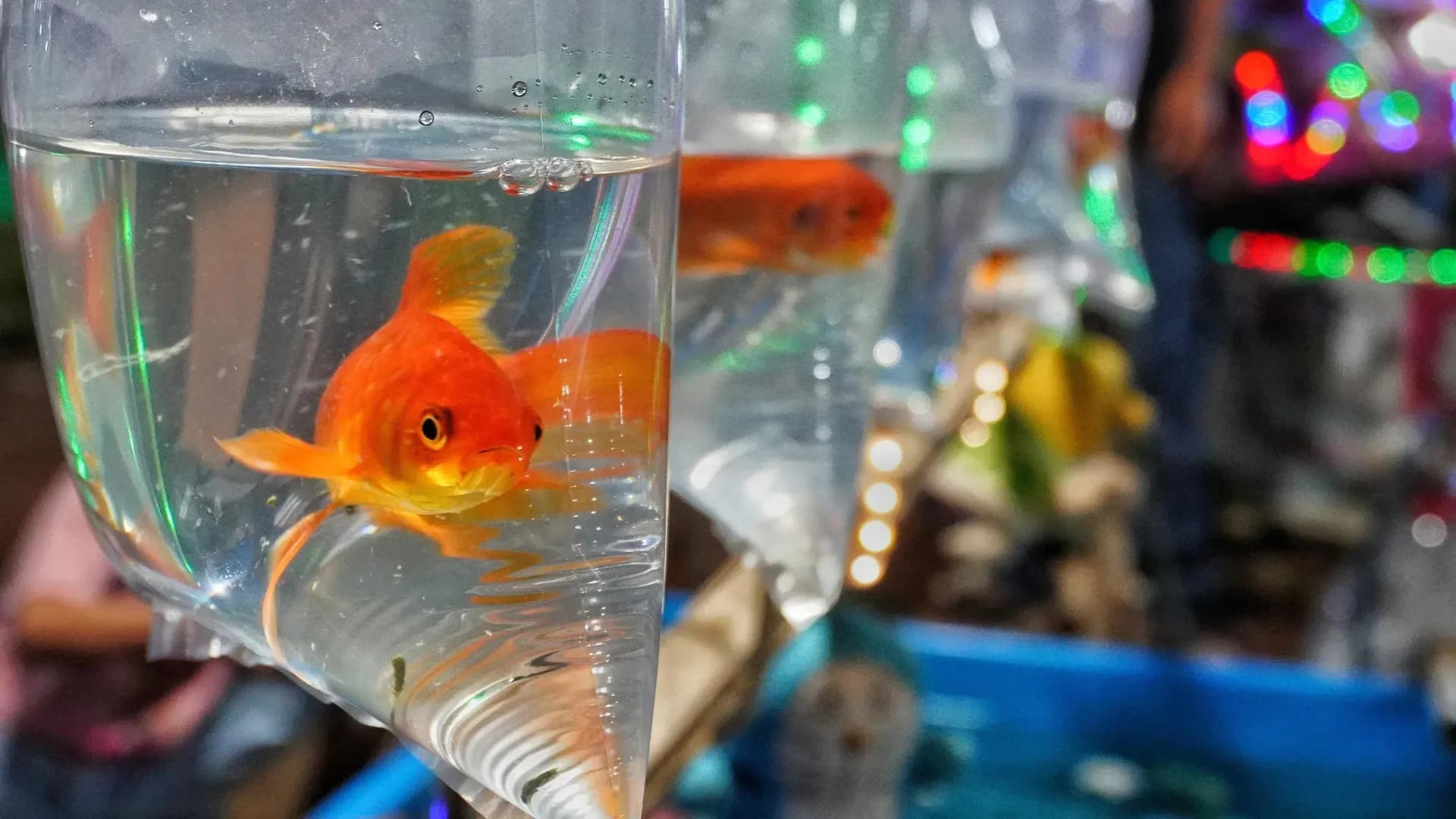
Goldfish are one of the world's most popular household pets — but outside the aquarium, they can become a serious threat to freshwater ecosystems. A landmark new study has confirmed that when goldfish enter natural waterways, whether released by well-meaning owners or escaping during flood events, the consequences can be catastrophic and long-lasting.
Researchers from The University of Toledo and the University of Missouri conducted the study, which was published in the Journal of Animal Ecology. Their findings represent some of the most compelling experimental evidence to date that invasive goldfish are capable of fundamentally transforming lakes and other freshwater environments.
What the Research Found
The study, titled "Invasive goldfish trigger a regime shift in experimental lake ecosystems of varying trophic state," used large outdoor freshwater mesocosms — controlled environments carefully designed to replicate real-world lake conditions. Scientists introduced goldfish (Carassius auratus) into these experimental ecosystems and closely tracked the resulting changes over time.
The research team examined two distinct freshwater environments: nutrient-poor (oligotrophic) waters and nutrient-rich (eutrophic) waters. In both settings, the introduction of goldfish caused significant ecological disruption.
Goldfish Damage Ecosystems in Multiple Ways
According to the study, goldfish that enter wild environments grow rapidly into large fish with an outsized impact on their surroundings. They stir up lake sediments, reduce water clarity, consume large quantities of prey, and aggressively compete with native fish species for resources. The resulting damage ripples through the entire food web, harming phytoplankton communities, invertebrates, aquatic vegetation, and native fish health.
To isolate the specific effects of goldfish — rather than simply the presence of additional fish in general — researchers used both additive and substitutive experimental designs. Their analysis confirmed that while some changes in aquatic plant life were related to total fish population size, the most severe ecological damage was directly attributable to the goldfish themselves.
A Point of No Return: Ecosystem Regime Shifts
One of the study's most alarming discoveries was the documentation of what scientists refer to as a "regime shift." This occurs when an ecosystem is pushed past a critical threshold and rapidly reorganizes into a fundamentally different — and typically degraded — state. Once this tipping point is crossed, restoring the ecosystem to its original condition becomes extraordinarily difficult and expensive.
Dr. William Hintz, the study's lead investigator and associate professor in UToledo's Department of Environmental Sciences and Lake Erie Center, emphasized the urgency of the findings.
"It is critically important to inform the public that their pets can become pests that will harm freshwater ecosystems," said Dr. Hintz. "The evidence is now clear — releasing a goldfish into the wild might be seen as an act of kindness, but it can turn into a major ecological threat."
Co-author Dr. Rick Relyea, professor at the University of Missouri College of Agriculture, Food and Natural Resources, added that once goldfish establish themselves in natural waterways, they grow to surprisingly large sizes and begin reshaping the ecosystem almost immediately.
A Global Pet Trade Problem
Goldfish rank among the most widely distributed ornamental fish on the planet. The booming global pet trade continuously moves aquatic species across continents, increasing the likelihood that non-native animals will find their way into ecosystems where they do not belong.
Releases can happen in several ways — deliberate dumping by pet owners, accidental escapes during flooding, or improper disposal. Regardless of the cause, goldfish populations can establish themselves quickly and spread throughout connected waterways with little resistance.
What Experts Are Calling For
The research team is urging natural resource agencies and policymakers to treat goldfish as a high-priority invasive species. Their recommendations focus on three key areas:
- Prevention — stopping the spread of goldfish before populations become established in the wild
- Early detection — monitoring waterways for signs of invasive goldfish activity
- Public education — informing pet owners about the environmental harm caused by releasing aquarium animals
For goldfish owners who can no longer care for their fish, researchers suggest responsible alternatives such as returning the fish to a pet store, rehoming it with another aquarium hobbyist, or consulting local wildlife authorities for safe disposal guidance.
The Bigger Picture
This study serves as a powerful reminder that the pet trade carries environmental responsibilities. Animals that thrive in a living room tank can wreak havoc in a natural lake, upsetting ecosystems that took thousands of years to develop. As invasive species continue to pose growing threats to biodiversity worldwide, understanding and addressing the role of the pet trade is more important than ever.

