How Fructose May Be Silently Reprogramming Your Metabolism
New research suggests fructose does far more than add empty calories — it may actively reprogram how your body stores fat and manages energy.

The Sugar That Does More Than Just Sweeten
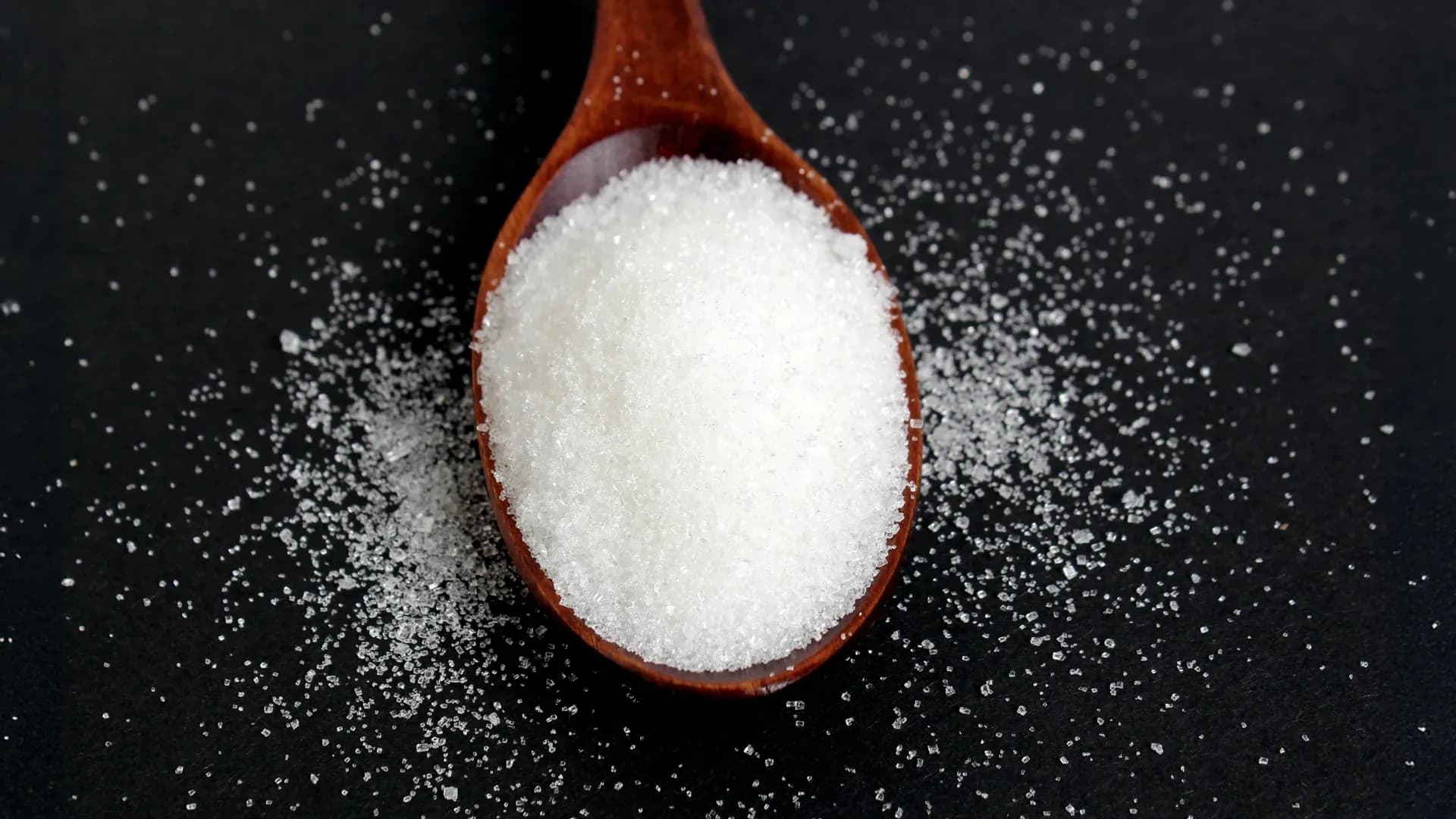
Most people assume sugar is sugar — a source of calories that becomes a problem only when consumed in excess. But a compelling new body of research is challenging that assumption, suggesting that one particular type of sugar may be doing something far more insidious inside the human body.
According to a major review published in Nature Metabolism, fructose — a sugar found in table sugar, high-fructose corn syrup, and even produced naturally within the body — may be actively disrupting the way your metabolism functions, independent of how many calories you consume.
Fructose Is Not Just Another Calorie
Lead researcher Dr. Richard Johnson, a professor at the University of Colorado Anschutz Medical Campus, is direct about the implications of this work.
"Fructose is not just another calorie," said Johnson. "It acts as a metabolic signal that promotes fat production and storage in ways that differ fundamentally from glucose."
While both glucose and fructose are components of common sweeteners, they are handled very differently once they enter the body. Unlike glucose, fructose bypasses several of the body's standard energy-regulating checkpoints. This allows it to flood metabolic pathways in ways that can trigger increased fat production, deplete cellular energy reserves — specifically ATP — and generate compounds closely tied to metabolic dysfunction.
A Direct Link to Obesity and Metabolic Disease
The researchers found that sustained fructose exposure may gradually elevate the risk of metabolic syndrome, a cluster of dangerous conditions that includes obesity, insulin resistance, elevated blood pressure, and cardiovascular disease.
What makes the findings particularly striking is the revelation that fructose exposure is not limited to what we eat and drink. The human body is capable of converting glucose into fructose internally, meaning the sugar's impact on metabolic health could be broader and more difficult to control than previously thought.
This internal production pathway suggests that even individuals who carefully limit sugary foods may not be entirely shielded from fructose-driven metabolic effects.
An Evolutionary Advantage Turned Modern Liability
The research team offers an intriguing evolutionary explanation for why humans are susceptible to fructose's effects in the first place. In ancient environments where food was scarce and unpredictable, the ability to rapidly convert fructose into stored fat would have been a critical survival advantage — helping early humans build energy reserves during times of abundance to endure periods of famine.
In today's world, however, where calorie-dense foods are available around the clock, that same biological mechanism has become a liability. The very system designed to protect our ancestors from starvation may now be quietly driving the modern epidemics of obesity and type 2 diabetes.
Why This Research Matters Now
The timing of these findings is significant. Global rates of obesity and diabetes continue to rise, and while consumption of sugary beverages has declined in some regions, overall intake of free sugars remains well above recommended levels in much of the world — and is still climbing in others.
Understanding the unique biological role fructose plays in metabolic disease could reshape how scientists, clinicians, and public health officials approach prevention and treatment strategies.
"This review highlights fructose as a central player in metabolic health," Johnson emphasized. "Understanding its unique biological effects is critical for developing more effective strategies to prevent and treat metabolic disease."
What This Means for Your Diet
While the research does not call for eliminating all sources of fructose overnight, it does reinforce the growing scientific consensus that not all calories behave the same way inside the body. The source and type of sugar you consume may matter just as much as the total quantity.
For now, experts continue to recommend limiting processed foods, sugary beverages, and products containing high-fructose corn syrup — not simply because of their calorie content, but because of how they interact with the body's metabolic machinery at a much deeper level.