How Four Decades of Dedication Are Bringing Little Terns Back From the Brink
A 40-year conservation effort in Norfolk is paying off, with record numbers of little tern nests recorded thanks to tireless volunteers and wardens.

A Tiny Bird With a Remarkable Story
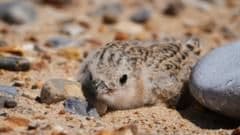
Nestled quietly among the pebbles of a Norfolk beach, a little tern chick blends almost perfectly into its surroundings. Its natural camouflage is impressive — but it is far from enough to protect it from the many dangers that threaten its survival. High tides, opportunistic predators, and the unaware footsteps of beachgoers and their dogs all pose serious risks to one of the UK's most vulnerable seabirds.
What makes this particular chick's story different, however, is what surrounds it: a record-breaking 700 ground nests, the result of a dedicated conservation project that has been running for four decades.
Four Decades of Conservation in Action
Launched in 1986, the RSPB's Tern Around project in Norfolk and north Suffolk was established with a clear mission — to protect the little tern and give the species a fighting chance at survival. Nearly 40 years later, the results speak for themselves.
Local volunteers and professional wardens now monitor little tern breeding sites around the clock throughout the nesting season, which runs from spring through to late summer. Their duties include patrolling stretches of beach, maintaining protective fencing around nest sites, and intercepting natural predators such as hedgehogs before they can cause harm.
Perhaps most importantly, these dedicated individuals engage directly with the public — educating visitors, dog walkers, and families about the importance of giving the birds plenty of space.
"I think without all the concerted effort of many, many people, there's no way that the numbers would be increasing in the way they are now," said Finn Duncan, the community and volunteering officer on the Tern Around project.
"Year by year, we're getting more little tern fledglings off and away back to Africa — and that's really amazing."
An Incredible Journey — and the Threats Along the Way
The little tern is nothing short of remarkable. Each year, these small seabirds make an extraordinary 3,000-mile (4,828km) journey from the west coast of Africa to breed along the UK coastline. Yet upon arrival, they face a gauntlet of challenges that make successful breeding far from guaranteed.
High tides can swamp nests without warning. Predators lurk at every turn. And despite the best intentions of many visitors, busy beaches during the summer months create significant disturbance at precisely the moment these birds need calm and quiet most.
In 2026 alone, 81 volunteers have already contributed nearly 2,000 hours of their time to the project — a testament to the passion and commitment driving this conservation success story.
The Volunteers Who Make It Possible
For many of those involved, volunteering with the Tern Around project has become far more than just a hobby — it is a way of life.
Mick Davies, one of the project's most enthusiastic volunteers, admits he is utterly "hooked" on working with the birds, even if they do express their appreciation in rather messy ways.
"I just can't get enough of the noise because they don't stop chatting," he said with a laugh. "They take a little while to settle down, but they're very feisty. You might see a few white dots on me because I get pooed on nearly every day being down here."
Davies also offered a fascinating insight into how young fledglings develop once they shed their downy fluff and grow their primary feathers. The older generation of birds plays a key role in teaching the youngsters how to survive.
"They'll glide like a kite," he explained. "Then they'll do small flights and be guided down near the sea. The adults will show them where the fish come from and how to fish — dropping food into the water for the youngsters to come and collect."
Learning From the Birds
Fellow volunteer Nora Dobson described the experience of spending extended time on the beach with the terns as deeply rewarding and educational.
"Because you're here for a long space of time, you can watch the way they feed, you see them mating, you can see them just getting involved in life," she said. "You learn loads, and there are so many volunteers here who are so experienced."
Dobson also highlighted that the project's success is a shared achievement — one that extends well beyond the volunteers and wardens themselves.
"It's not just us and the other volunteers — it's the local people, it's the public really being respectful of what we're doing," she added. "It's a real privilege to be part of it."
A Cautious but Hopeful Outlook
While the RSPB reports that breeding pair numbers have remained broadly stable and secure over the years, the organisation is careful not to declare victory just yet. The little tern continues to face ongoing threats from human disturbance, predation, unpredictable summer weather, coastal development, and the ever-present danger of tidal flooding.
Nevertheless, the momentum generated by 40 years of sustained, community-driven conservation effort has created genuine cause for optimism. With record nest numbers recorded in 2026 and a growing volunteer base, the little tern's future on UK shores looks considerably brighter than it did when this project first began.