How Brain Wave Technology Is Revolutionizing Hearing Aids for Noisy Environments
A groundbreaking brain-controlled hearing system could transform how people with hearing loss navigate loud, crowded spaces by reading neural signals.

A New Frontier in Hearing Technology
For millions of people living with hearing loss, holding a conversation in a noisy restaurant, crowded event, or bustling workplace can feel like an uphill battle. Traditional hearing aids amplify all surrounding sounds equally, often making it harder — not easier — to focus on a single voice. Now, researchers are developing a revolutionary system that could change everything.
A cutting-edge hearing technology that monitors the wearer's brain waves may soon give people with hearing loss a powerful new tool for cutting through background noise and tuning in to the voices that matter most.
How the Brain-Controlled Hearing System Works
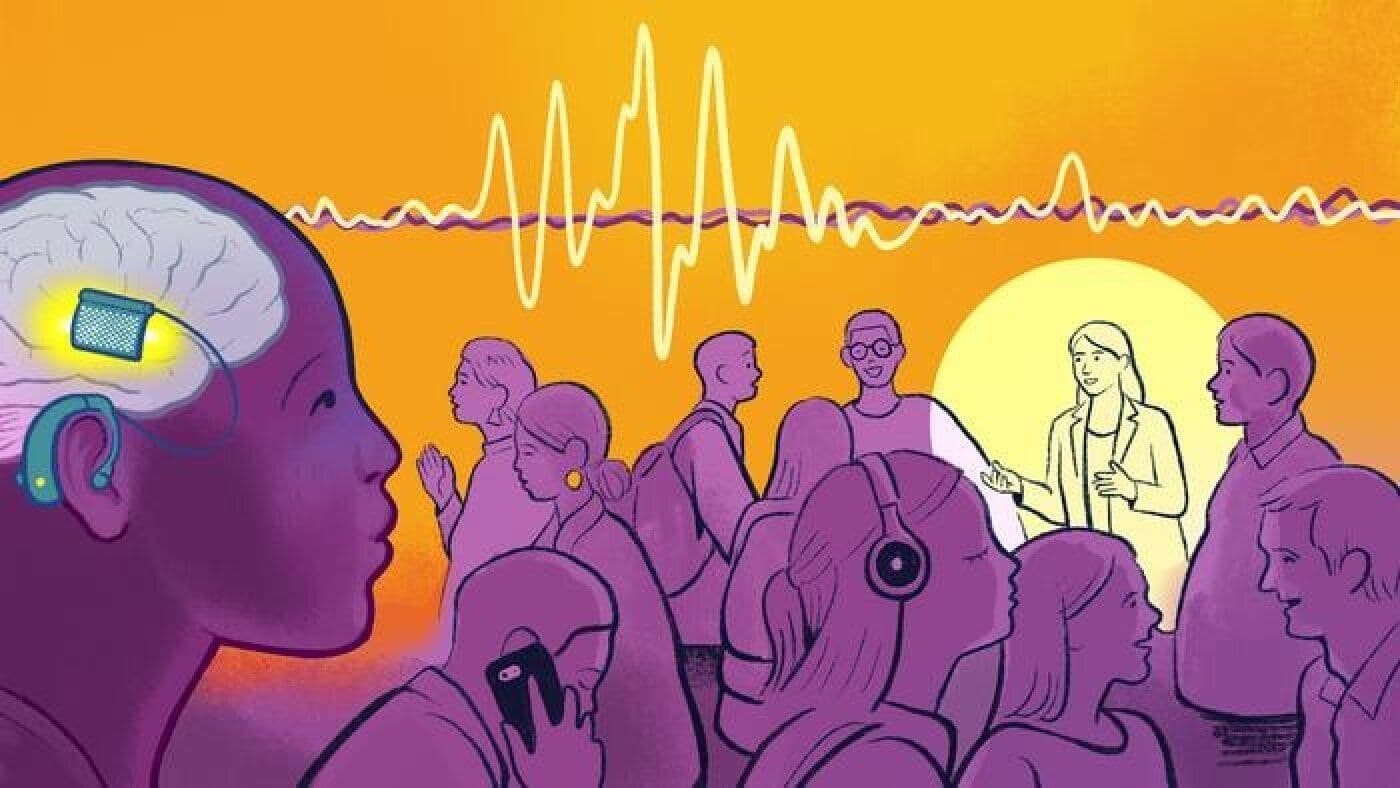
At its core, this innovative system works by tracking the user's neural activity in real time. By reading brain wave patterns, the technology can detect which speaker or sound source the listener is actively trying to focus on. It then amplifies that specific audio stream while suppressing competing background noise.
This approach essentially bridges the gap between human intention and machine response. Rather than relying on manual controls or preset filters, the system responds directly to what the brain is already trying to do — making the experience far more intuitive and natural for the user.
The Science Behind Neural Audio Processing
The concept draws on a field known as auditory attention decoding. Scientists have long known that the brain processes targeted sounds differently from background noise. When a person focuses on a specific voice, distinct neural signatures emerge. This technology leverages those signatures to guide the hearing device in real time.
Researchers have been refining this approach over several years, and early results suggest the system performs impressively even in highly complex acoustic environments.
Why This Matters for People With Hearing Loss
Hearing loss affects a significant portion of the global population, and its impact extends well beyond the ears. Difficulty communicating in social and professional settings is linked to increased rates of anxiety, depression, and cognitive decline. Tools that genuinely improve real-world communication could have profound effects on overall quality of life.
Conventional hearing devices, while helpful, still struggle with the so-called "cocktail party problem" — the challenge of isolating one voice among many. Brain-controlled systems represent a meaningful leap forward in solving this long-standing issue.
Looking Ahead
While the technology is still advancing toward widespread consumer availability, its potential is already generating considerable excitement within the medical and scientific communities. As wearable neurotechnology becomes more compact and affordable, brain-integrated hearing solutions may become a standard part of audiological care in the coming years.
For those who have long struggled to participate fully in everyday conversations, this development offers a genuine reason for optimism.