How Biden's Open Border Policies May Have Left America Vulnerable to Iranian Terror Threats
Four years of loosened immigration enforcement may have given Iran's regime a dangerous foothold on American soil — and the consequences could be severe.

A Homeland Once Protected, Now at Risk
When a U.S. drone strike eliminated Iranian General Qasem Soleimani on January 3, 2020, the world braced for Iran's response. Tehran launched missile barrages targeting American military bases in Iraq, injuring dozens, but stopped short of striking U.S. soil. Iran's Supreme Leader promised severe retaliation — yet none came domestically. The reason was straightforward: Iran simply didn't have the operational infrastructure inside the United States to pull it off.
At that time, Iranian nationals crossing the U.S. southern border averaged fewer than 20 per year between 2000 and 2019. Tight border security and rigorous immigration vetting under the Trump administration had effectively sealed off infiltration routes. The American homeland was, for all practical purposes, insulated from the threat of Iran-sponsored terrorism.
That reality has changed dramatically.
Operation Epic Fury and a Dangerous New Landscape
By March 2026, U.S. and Israeli forces launched Operation Epic Fury, targeting Iran's nuclear infrastructure and top leadership — including Supreme Leader Ayatollah Ali Khamenei. Iran retaliated with missile strikes on American outposts in Bahrain, Saudi Arabia, and elsewhere across the region. But national security experts warn that the most serious threat may not be unfolding overseas — it may already be embedded within the United States itself.
The concern centers on potential sleeper cells or radicalized lone actors operating on American soil, individuals who may have entered the country during a period of historically relaxed border enforcement under President Joe Biden.
The Biden Border Legacy: A Security Reckoning
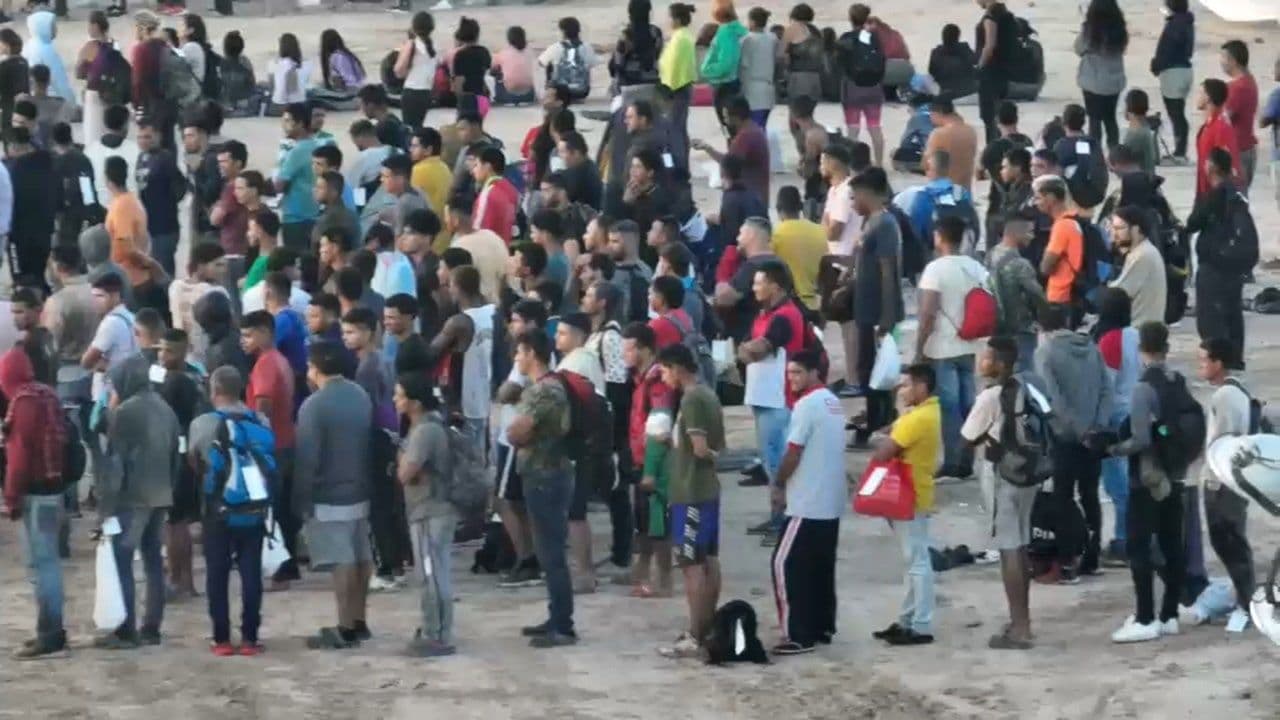
From his first day in office, President Biden moved swiftly to dismantle key immigration enforcement mechanisms. He halted construction of the border wall, terminated the Migrant Protection Protocols — commonly known as the "Remain in Mexico" policy — and allowed catch-and-release practices to expand dramatically. Over four years, more than 10 million border encounters were recorded, including significant numbers of individuals from nations with known terrorism ties.
The numbers involving Iranian nationals are particularly alarming. U.S. Border Patrol apprehended 1,504 Iranian nationals between fiscal years 2021 and 2024 — representing a roughly twenty-fivefold increase compared to the previous two decades combined. Even more troubling, 729 of those individuals were released into the United States, frequently with minimal vetting due to overwhelmed processing systems.
Documented Cases of Concern
This wasn't simply a matter of administrative overload. Expanded asylum loopholes and a reluctance to pursue deportations created policy conditions that, critics argue, effectively lowered the drawbridge for bad actors. The consequences have already begun to materialize:
- June 2025: U.S. Immigration and Customs Enforcement (ICE) arrested 11 Iranian nationals living illegally in the United States. Among them were a former military sniper, a member of Iran's Revolutionary Guard, and an individual with ties to Hezbollah — all of whom had entered during the Biden years.
- That same month: Intelligence officials flagged 35 additional Iranian nationals allegedly planning to cross the U.S.-Mexico border with cartel assistance.
- Austin, Texas: A shooting linked to an Iran-connected suspect has further heightened domestic terrorism concerns.
Border security czar Tom Homan publicly warned that lax enforcement had contributed to the cultivation of potential sleeper cells inside the country. Former FBI Deputy Director Andrew McCabe echoed calls for elevated vigilance, and Texas Governor Greg Abbott urged authorities to remain alert to threats from both organized cells and lone-wolf actors.
Hezbollah's Hemispheric Network and the Southern Border
Iran's primary proxy force, Hezbollah, has long maintained a presence in South America — particularly in the tri-border region shared by Argentina, Brazil, and Paraguay. Under the Trump administration, strict border enforcement and maximum pressure sanctions disrupted the northward movement of operatives from these hubs into the United States.
Biden's policy rollbacks reopened those pathways. With enforcement weakened and processing systems overwhelmed, Hezbollah-linked networks found it significantly easier to move personnel and resources toward the U.S. border. National security analysts have described the border during this period as a "sieve" — a porous entry point that global threat networks learned to exploit with increasing sophistication.
From Aspirational Threat to Operational Reality
Following the Soleimani strike in 2020, Iran's ambitions to strike the American homeland were largely aspirational. Plots to assassinate U.S. officials — including former President Trump and ex-National Security Advisor John Bolton — were uncovered and neutralized through strong counterterrorism operations. Iran had the will to retaliate on U.S. soil but lacked the means.
The fear today is that four years of open-border policies have fundamentally altered that equation. Where Iran once lacked operational assets inside the United States, the country may now harbor an unknown number of regime sympathizers, support personnel, and potentially active operatives — individuals who slipped through during a period of diminished enforcement and overwhelmed vetting infrastructure.
What Must Be Done
With Iran's regime cornered, desperate, and seeking revenge following the deaths of its top leadership, the risk of homeland retaliation has never been higher. The Trump administration has moved aggressively to address these vulnerabilities — reinforcing border security, reinstating stringent vetting protocols, and pursuing the removal of individuals with terrorism-linked backgrounds.
But these efforts must be sustained. Sealing borders, restoring rigorous screening processes, and expelling individuals who pose credible threats are not temporary emergency measures — they are the permanent foundation of a secure homeland. The lesson of the past four years is clear: abandoning enforcement invites adversaries. The United States cannot afford to repeat that mistake.
