How Augmented Reality Is Transforming Endometriosis Surgery Consultations
Chelsea and Westminster Hospital is pioneering AR technology to help endometriosis patients better understand their condition and surgical options before going under the knife.

Augmented Reality Gives Endometriosis Patients a Clearer Picture
For Aga Mizgala, seven years of relentless pelvic pain — a sensation she describes as feeling like "a million little needles" — has defined nearly a decade of her life. Now 34, she is among the first patients to experience a groundbreaking augmented reality (AR) system being trialled at Chelsea and Westminster Hospital in London, a tool designed to bring visibility to one of medicine's most misunderstood and underdiagnosed conditions.
The hospital has become the first in the UK to offer this immersive AR experience as part of pre-surgical consultations for endometriosis patients.
What the Technology Actually Does
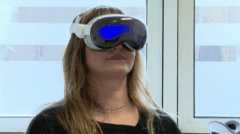
Developed by Medical iSight, the AR platform overlays precise, anatomically accurate 3D digital models onto the real world, allowing patients to view them through a specialist headset. During consultations, surgeons can walk patients through detailed representations of the womb, ovaries, and fallopian tubes — showing exactly where endometriosis lesions may be present and which areas might be targeted during surgery.
Unlike traditional consultation methods that rely on basic diagrams or verbal explanations, this technology creates a shared visual experience between doctor and patient.
"This 3D visualisation technology transforms the way we talk to patients about endometriosis," said Dr Tom Bainton, a consultant gynaecologist specialising in the condition at Chelsea and Westminster. "Rather than relying on basic drawings, we can walk through detailed anatomical changes together in a collaborative consultation, helping patients more clearly understand their condition and the surgery they are preparing for."
Aga echoed that sentiment: "I think it's very helpful to actually see what the surgeon is talking about."
Understanding Endometriosis: A Complex and Far-Reaching Condition
Endometriosis is a chronic, incurable condition in which tissue similar to the uterine lining grows in other parts of the body. According to the World Health Organization, it affects approximately one in 10 women globally.
Dr Bainton explained that the condition most commonly develops within the pelvis, impacting the ovaries and the peritoneum. However, it can extend to nearby structures including the bowel and urinary tract, and in rare cases has even been identified on the diaphragm and within the chest cavity.
The goal of surgical intervention is to remove affected tissue while safeguarding healthy organs — a task made significantly more complex by the fibrosis and infiltration that endometriosis can cause over time.
A Patient's Journey: Years of Pain and Dismissal
Aga's story is not unusual among those living with endometriosis. The pain, she says, is constant.
"It started from pain in my pelvis every day since I wake up until I go to sleep. It just never goes away really," she told BBC News. "I can't focus on my work. I had to take time off due to pain and I'm just miserable."
Despite undergoing a diagnostic laparoscopy in 2023 that yielded no clear answers, she has since attempted numerous treatments — from prescription medication and acupuncture to pelvic-floor physiotherapy — all without meaningful relief. She hopes that further surgery, now better informed through the AR consultation, may finally offer some respite.
Perhaps most painfully, Aga says she has repeatedly felt dismissed by the very system meant to help her.
"I feel that I'm just being told, 'oh it's something else, don't worry about it, it will just go away.' Just take some painkillers, take some paracetamol, it's going to be OK."
A Systemic Problem: Diagnosis Still Takes Nearly a Decade
Aga's experience reflects a broader crisis in endometriosis care. According to a recent report by the charity Endometriosis UK, the average waiting time for a formal diagnosis has now stretched to nine years and four months.
The findings paint a troubling picture:
- 39% of respondents had to visit their GP 10 or more times before endometriosis was even considered as a possible cause.
- 46% of those who attended hospital were sent home without receiving any treatment.
These figures highlight the urgent need for better education, awareness, and diagnostic tools — areas in which technology like AR-assisted consultations could play a meaningful supporting role.
The Broader Promise of AR in Patient Care
Beyond its immediate application for endometriosis, this technology signals a wider shift in how complex medical information can be communicated to patients. When individuals are empowered with a clearer understanding of their diagnosis and proposed treatment, they are better positioned to make confident, informed decisions about their own healthcare.
Chelsea and Westminster Hospital's adoption of AR in surgical consultations may well set a precedent for other institutions looking to bridge the gap between clinical expertise and patient comprehension — particularly for conditions that, like endometriosis, remain largely invisible to the naked eye.