How a Remote Island Doctor and Cross-Continental Teamwork Stopped a Hantavirus Outbreak in Its Tracks
A vigilant physician on Ascension Island and rapid international collaboration were the real heroes behind averting a potential hantavirus global crisis.
The Untold Story Behind Averting a Hantavirus Catastrophe
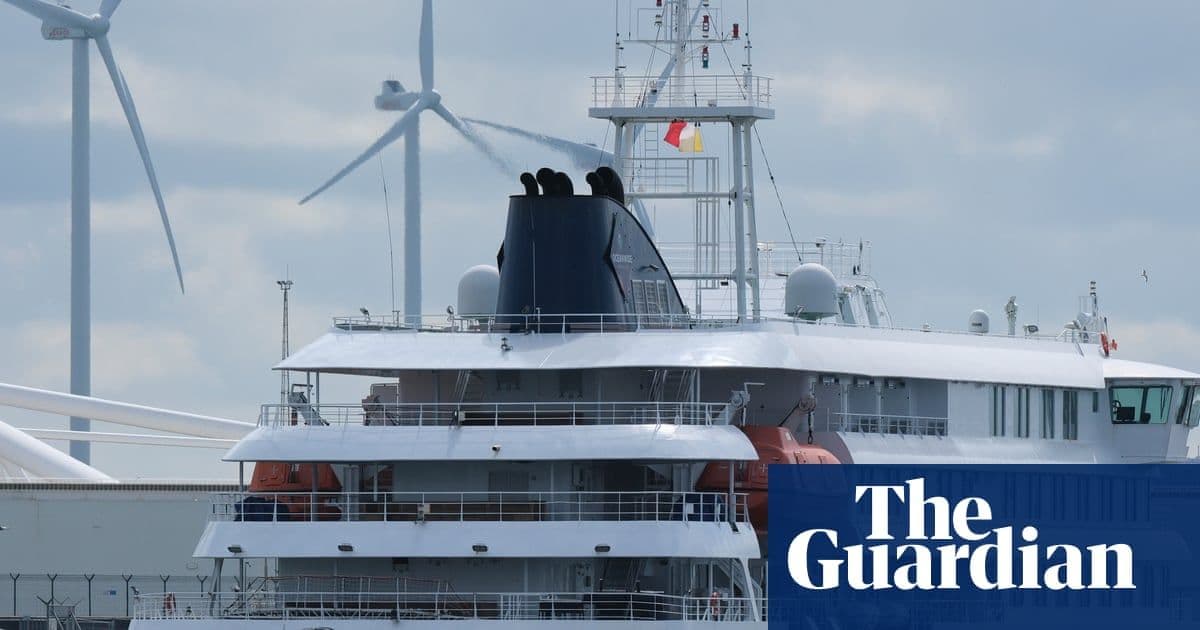
When a potential hantavirus outbreak emerged aboard the MV Hondius cruise ship, much of the public health commentary credited broad global response systems for containing the threat. However, medical professionals directly involved in the response argue that the true reason disaster was avoided has largely gone unacknowledged — and the story deserves to be told accurately.
A Critical Network Operating Behind the Scenes
The UK Overseas Territories (UKOTs) programme, funded by the Foreign Office and administered by the UK Health Security Agency (UKHSA), plays a vital but often invisible role in supporting healthcare infrastructure across Britain's overseas territories worldwide. Many of these communities are small, geographically isolated, and operate with severely limited medical resources. The programme's greatest strength lies in fostering tight lines of communication and systematically building local health capacity.
The Doctor Who Noticed Something Was Wrong
When a sick passenger from the MV Hondius was brought ashore on Ascension Island for medical attention, a sharp-eyed local physician identified a troubling pattern — a cluster of similar cases aboard the vessel. Crucially, newly installed diagnostic equipment on the island allowed medical staff to rule out the most common illnesses. It became clear early on that this was no ordinary situation.
Diagnosis Made Across Three Continents
What followed was a remarkable example of international medical collaboration. A multi-continent conference brought together the doctor on Ascension Island, an infection specialist from the UKOTs programme, the cruise ship company's medical adviser, and a colleague from the National Institute for Communicable Diseases in South Africa. The South African expert was instrumental in tracking down biological samples from two patients who had been medically evacuated to the country. Together, this team confirmed the diagnosis: hantavirus.
This rapid identification was the trigger that notified the World Health Organization and national public health bodies around the world, setting containment measures in motion before the situation could spiral out of control.
What Could Have Happened Without Early Detection
The stakes could not have been higher. Had this outbreak gone undetected, the MV Hondius would have continued its voyage to Cape Verde. Passengers unknowingly incubating the virus would have disembarked and boarded flights to their home countries across the globe. The resulting spread could have seeded an international outbreak far more difficult to contain. The swift, coordinated action of a lean but effective network of medical professionals is what stood between a contained incident and a potential global health emergency.
A Reminder of Persistent Global Inequalities in Public Health
While the hantavirus situation ended with a measure of good fortune and skilled intervention, not every outbreak benefits from such circumstances. Elsewhere in the world, vulnerable populations continue to face deadly viral threats with little support or resources.
The Batwa pygmy communities in Uganda — a marginalized, endangered indigenous group — are currently battling the Bundibugyo strain of the Ebola virus, a rare variant for which no approved vaccine or targeted treatment currently exists. Their struggle highlights a sobering reality: not all communities have equal access to the public health tools and protections that wealthier nations take for granted.
A World Still Divided by Health Inequality
Until equitable access to public health measures and emergency medical resources becomes a global standard rather than a privilege, the entire world remains at risk. Novel and dangerous infectious diseases do not respect borders, and the next unexpected outbreak could emerge from the very inequalities and environmental pressures that continue to be ignored. The hantavirus near-miss was a warning as much as it was a success story — one the global health community must take seriously.

