Horror Novel Pulled from Shelves After Publisher Raises AI Writing Concerns
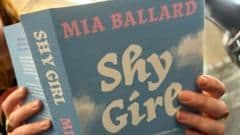
Publisher Hachette has cancelled the US release of horror novel Shy Girl amid allegations that AI was used in its creation — claims the author firmly denies.

Horror Novel Shy Girl Cancelled After AI Writing Allegations
A major US publisher has pulled the plug on an upcoming horror novel following concerns that artificial intelligence was used during the writing process — marking what may be a historic first in the publishing world.
Publisher Takes Decisive Action
Hachette, one of the largest publishing houses in the world, has announced it will no longer move forward with the US release of Shy Girl, a horror novel written by American author Mia Ballard. The book had been scheduled to hit shelves next month. In addition to scrapping the upcoming US launch, Hachette confirmed that its UK imprint Wildfire will also discontinue the edition that was released there back in November.
In a statement, a Hachette spokesperson said the company "remains committed to protecting original creative expression and storytelling" — signaling a firm stance on the integrity of human-authored content in an era increasingly shaped by AI-generated text.
Author Denies Personal Use of AI
Ballard, whose UK edition sold nearly 2,000 copies before the controversy erupted, strongly disputes any suggestion that she personally relied on AI to craft the novel. Speaking to the New York Times, she explained that an acquaintance she had brought on to edit the original self-published version of the book was responsible for incorporating AI-generated content — not her.
"This controversy has changed my life in many ways and my mental health is at an all time low and my name is ruined for something I didn't even personally do," Ballard said. She also confirmed she is pursuing legal action in response to the fallout.
A Landmark Moment for the Publishing Industry
The New York Times, which first broke the story, described the situation as appearing to be "the first commercial novel from a major publishing house to be pulled over evidence of AI use." If accurate, the case sets a significant precedent at a time when publishers, authors, and readers are all grappling with questions about AI's role in creative industries.
Hachette's imprints Orbit (US) and Wildfire (UK) are both named in the decision, with neither continuing to carry the title going forward.
From BookTok Buzz to Public Backlash
Shy Girl originally launched as a self-published title in February of last year before catching the attention of a broader audience. Its promotional materials pitched it as a "buzzy BookTok sensation" and described the story as "a harrowing tale of survival and revenge" that was "bloody and unapologetic."
Despite the initial momentum, reader reviews on Goodreads began to raise red flags. One reviewer claimed the book appeared to be "written by ChatGPT," while another flagged "bizarre formatting, typos and repetitive turns of phrase" — observations that fueled growing suspicion about the book's origins.
What This Means Going Forward
The Shy Girl controversy arrives at a pivotal moment for the creative world, as publishers scramble to establish clear policies around AI-assisted writing. For Ballard, the personal and professional damage has already been done — regardless of who made the decision to use AI during the editing process. The case serves as a stark warning for authors and editors alike about the very real consequences of incorporating AI tools into the creative pipeline without full transparency.

