Home Battery Systems: Everything You Need to Know Before You Buy
Thinking about installing a home battery? Here's a complete guide covering costs, installation, and everything in between.

Home battery systems are rapidly becoming one of the smartest investments a homeowner can make. Whether you're looking to slash energy bills, protect your home during power outages, or make the most of your solar panels, a home battery could be the solution you've been searching for. Here's everything you need to know before taking the plunge.
Why Install a Home Battery?
Homeowners are turning to battery storage for a variety of reasons — and more often than not, several of these motivations overlap:
- Solar energy storage – Capture and store excess power generated by your solar panels instead of selling it back to the grid at a low rate.
- Off-grid living – Achieve greater energy independence by relying less on utility providers.
- Outage protection – Keep your home powered during unexpected blackouts.
- Smart energy buying – Purchase electricity during off-peak hours when rates are low and draw from your stored supply when prices spike.
Beyond personal benefits, home batteries contribute to broader grid stability. Energy storage plays a critical role in balancing supply and demand, particularly as renewable sources like solar and wind become more prevalent.
How Do Home Battery Systems Work?
Think of a home battery as a large-scale power bank designed specifically for residential use. Unlike the lithium-ion cells found in most consumer electronics, home batteries typically use lithium iron phosphate (LFP or LiFePO4) chemistry. This technology is safer, more durable, and significantly less prone to thermal runaway — meaning a much lower risk of overheating or fire.
Some manufacturers are also experimenting with sodium-ion (Na-ion) batteries, which offer potential cost savings and better cold-weather performance, and avoid the need for lithium entirely. However, they tend to be bulkier and have a shorter lifespan compared to LFP alternatives.
The same battery technology found in electric vehicles is often used in home storage systems. Looking further ahead, solid-state batteries — driven largely by EV innovation — promise even greater energy density, improved safety through the elimination of liquid electrolytes, and longer operational lifespans.
The Role of the Inverter
Home batteries store energy as DC (direct current), but your home runs on AC (alternating current). This is where an inverter comes in — it converts stored DC power into usable AC electricity.
If you have solar panels or plan to add them, a hybrid inverter is the smart choice, as it handles both solar input and battery storage in one unit.
Inverter capacity is measured in kilowatts (kW) and determines how much power you can draw at any given moment:
- 3.6 kW – Suitable for modest energy needs
- 5 kW – Recommended if you run high-demand appliances like an EV charger or heat pump
- 6–10 kW – Ideal for larger households or bigger battery setups
Most inverters also support short bursts of higher output — known as peak load capability — for appliances that require a surge of power at startup.
What to Look for When Buying a Home Battery
Not all home batteries are created equal. Keep these key specifications in mind when comparing options:
- Capacity (kWh) – The total amount of energy the battery can store. More kilowatt-hours means longer runtime.
- Power output (kW) – How much energy the system can deliver simultaneously. This affects which appliances you can run at the same time.
- Depth of discharge (DoD) – The percentage of stored energy you can safely use without degrading the battery. A higher DoD means more usable capacity.
- Round-trip efficiency – Some energy is always lost during charging and discharging. A higher efficiency rating means less waste.
- Warranty – Look for guarantees that specify minimum performance thresholds over time. For example, EcoFlow offers a warranty guaranteeing at least 70% capacity retention after 15 years or 6,000 charging cycles, whichever comes first.
How Much Battery Capacity Do You Actually Need?
Your ideal battery size depends entirely on how you intend to use it.
If your goal is outage protection or off-grid capability, you'll need to calculate both your total energy consumption over time (kWh) and your peak simultaneous power draw (kW). Running too many appliances at once on an underpowered system simply won't work.
If you're primarily interested in taking advantage of off-peak electricity rates, virtually any capacity will offer some benefit. However, if your cheap rate window is six hours overnight, ideally you want enough stored energy to carry you through the remaining 18 hours of the day.
One important consideration: installation costs are significant regardless of battery size. It often makes financial sense to go bigger upfront rather than expanding later — even with modular systems, additional capacity typically requires professional installation to keep your warranty intact.
Do You Need Special Permits or Electrical Upgrades?
Before installation begins, it's worth understanding what changes may be required in your home and what regulatory approvals might apply.
Your home battery connects directly to your main electrical panel. Depending on the age and capacity of your existing setup, upgrades may be necessary. For instance, a full breaker box replacement or the addition of a secondary panel might be required if there's insufficient space for new circuits.
Permitting requirements vary by location. In Scotland, for example, inverters up to 3.6 kW can be installed and reported to the distribution network operator afterward, while larger systems require prior approval. In the US, requirements differ by state and utility provider.
Start the permissions process early — approvals can take time, and delays could push back your installation. Most reputable installers are familiar with local regulations and will guide you through the process, often handling the paperwork on your behalf.
Installation Tips You Should Know
A smooth installation starts with good preparation. Here's what to keep in mind:
- Vet your installer carefully. Look for certified professionals (MCS-accredited in the UK), check customer reviews, and gather at least three quotes before committing.
- Plan the battery location in advance. Measure the space carefully and confirm access for cable routing from the electrical panel.
- Expect some disruption. Running cables may involve drilling through walls or lifting floorboards. A pre-installation site survey is standard practice and helps minimize surprises.
- Choose an indoor location when possible. While many home batteries are weatherproof, garages and basements are preferable. Cold temperatures reduce battery efficiency, and although some units include built-in heating, this draws additional power.
- Skip the optional display screen. Many systems offer a tablet-style interface as an add-on, but managing your battery through a smartphone app is equally effective and often more cost-efficient.
How Much Does a Home Battery System Cost?
Installation labor represents a significant portion of the total cost, which is worth factoring into your budget from the start.
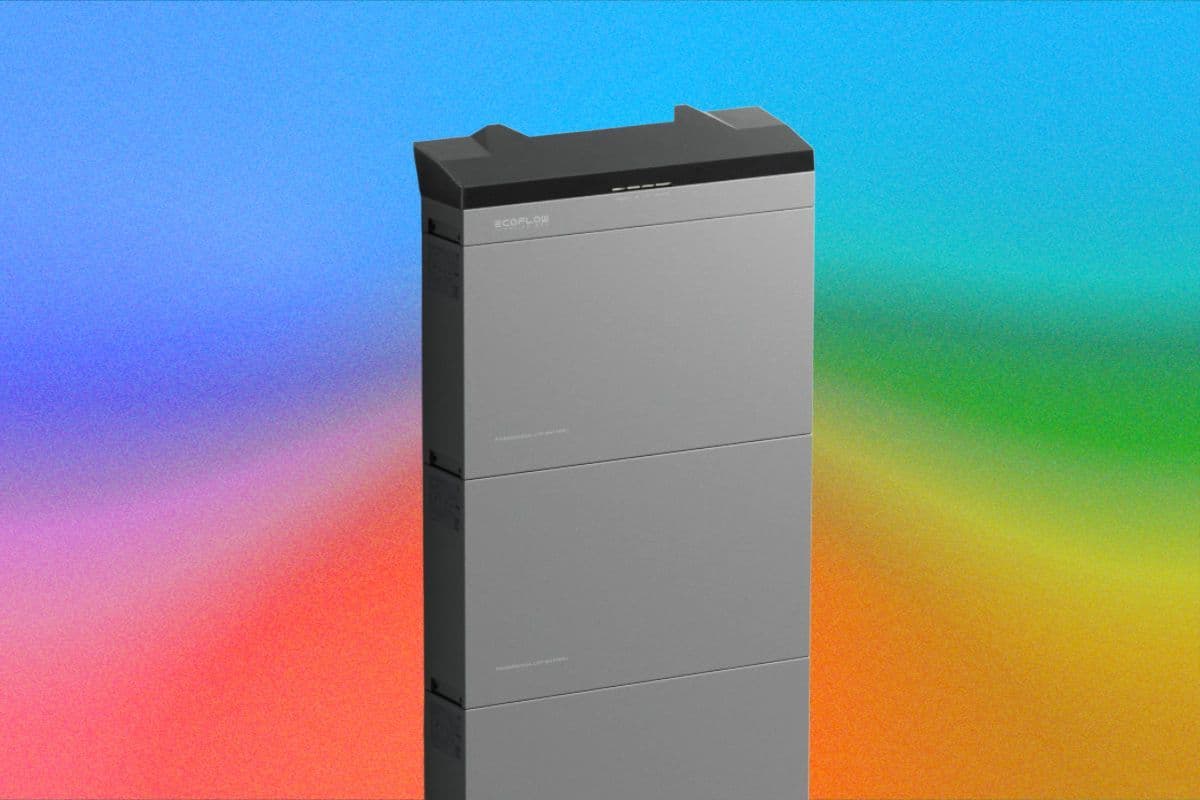
As a reference point, an EcoFlow PowerOcean system with a 6-kW hybrid inverter and a 10-kWh battery costs approximately £6,500 in the UK, with additional 5-kWh battery modules priced between £1,000 and £1,500 each. In the United States, a fully installed 10–15 kWh system typically runs between $8,000 and $15,000, depending on the complexity of the electrical work involved.
Financial Incentives Worth Exploring
Before finalizing your budget, investigate available financial assistance in your area:
- Federal or local tax credits
- Government grants or low-interest loans
- Utility rebates from your energy provider
Installing a home battery alongside solar panels or a heat pump may also unlock bundled pricing or additional incentives.
What's the Return on Investment?
ROI varies based on local electricity tariffs and how effectively you use your battery system. A realistic payback period falls somewhere between five and twelve years for most homeowners. Those pairing home batteries with solar panels and time-of-use tariffs tend to see the fastest returns.
For context, one real-world installation is projected to pay for itself in approximately six years based on current energy rates and documented savings — a compelling case for acting sooner rather than later.
Is a Home Battery Right for You?
For renters or those put off by the upfront cost, alternatives like plug-in balcony solar panels and portable power stations offer a lower-commitment entry point. However, these solutions are limited in capacity and are subject to varying regulations depending on your location.
For homeowners with a long-term perspective, a fixed home battery system remains the most powerful and versatile option — one that pays dividends in savings, resilience, and energy independence for years to come.