Hisense XR10 Smart Projector Review: A Bold RGB Contender for Home Cinema Enthusiasts
The Hisense XR10 delivers breathtaking color performance powered by RGB backlighting, but is it worth its $6,000 price tag? We put it to the test.

Hisense XR10 Smart Projector Review: A Bold RGB Contender for Home Cinema Enthusiasts
The Hisense XR10 is not a projector you can ignore. With its cutting-edge RGB backlighting technology, a color gamut that surpasses industry standards, and a price hovering near $6,000, this machine is gunning for the top tier of the home cinema market. After extensive real-world testing, here is what you need to know.
Design and Build Quality
First things first — the XR10 is heavy. Tipping the scales at 23.4 pounds, moving this projector around is a genuine physical effort. Pulling it out of its included carrying case made that abundantly clear. By comparison, the Xgimi Titan Noir Max weighs in at 18 pounds, making it noticeably easier to handle.
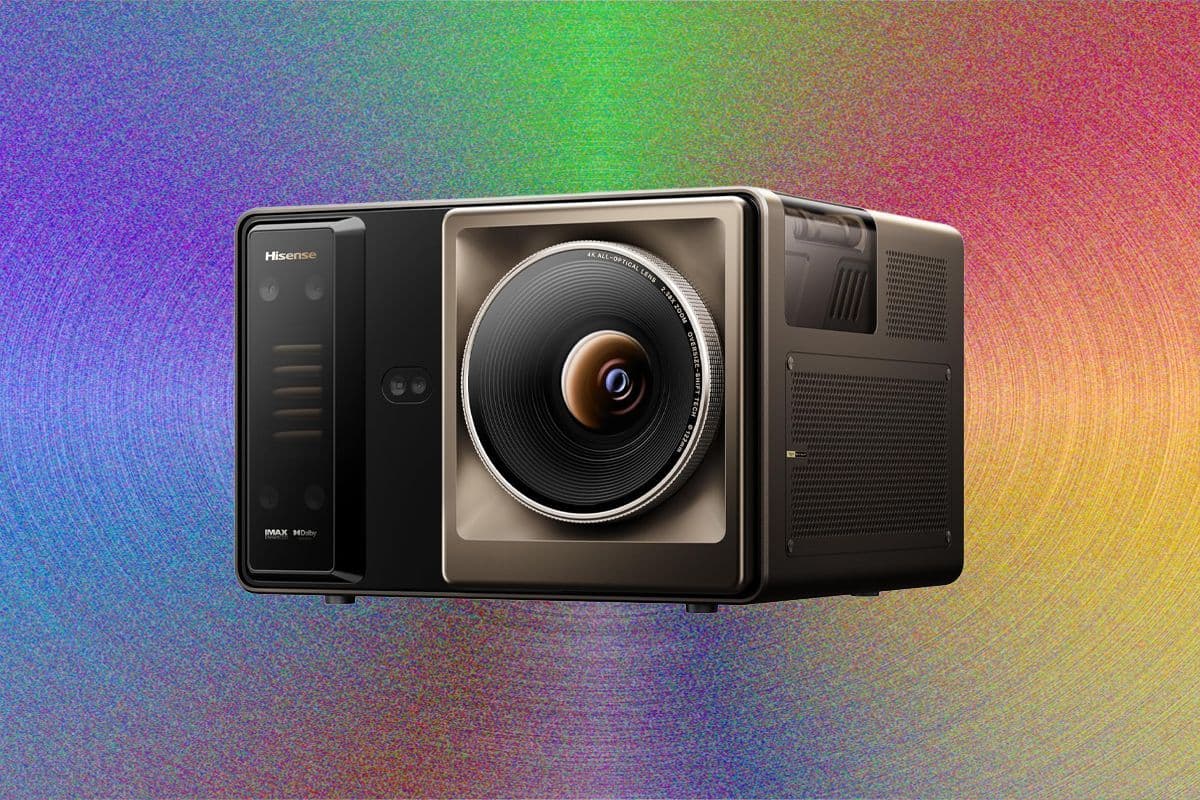
That said, the XR10 looks the part. It presents itself as a sleek, dark metallic cube with an attractive bronze faceplate up front — understated yet premium in appearance. Four adjustable feet on the base allow for precise angle corrections, a small but genuinely useful feature. Many projectors only offer front foot adjustments, so having all four corners adjustable adds flexibility during setup. It is worth noting, however, that projectors like the Titan Noir Max — equipped with taller feet — allow for more dramatic side-angle positioning, giving them a slight edge in placement versatility.
Remote Control Experience
The included remote is functional but somewhat overwhelming. It is packed with buttons, including three dedicated solely to settings navigation, which can create a confusing user experience — particularly for newcomers. On the positive side, dedicated brightness controls sit conveniently opposite the volume buttons, and the centrally placed Home button is easy to locate by feel. The backlit design is a welcome touch, ensuring you can operate the remote comfortably in a completely darkened room.
Picture Quality and Color Performance
This is where the XR10 truly earns its keep. The projector covers an impressive 118 percent of the BT.2020 color gamut, outpacing even the well-regarded Xgimi Titan Noir Max, which reaches 110 percent of the same specification. For viewers who prioritize vivid, true-to-life color reproduction, that distinction matters.
Real-World Movie Testing
To evaluate contrast and brightness, the Netflix film Awake — a deliberately dark production — served as an ideal test subject. In a controlled, windowless environment, the XR10 rendered a dimly lit cycling scene with impressive color depth and tonal accuracy. Budget projectors and lower-tier televisions typically reduce such scenes to flat gray — the XR10 had no such problem.
Two films specifically mastered to the BT.2020 standard — Inside Out and Guardians of the Galaxy Vol. 2 — looked exceptional. The opening sequence of Guardians flooded the screen with rich alien colors, while Inside Out reproduced a difficult deep rusty red with surprising accuracy. These are shades that commonly give displays trouble, making the XR10's handling of them all the more impressive.
Testing The Creator via the Fandango at Home app further reinforced the projector's strengths. Pre-dawn beach scenes that appear muddy and detail-less on mid-range projectors came through with visible texture on rocky cliffs, a natural blue sky tint, and readable shadow detail on soldiers' wetsuits.
Technical Benchmark Results
Using Spears & Munsil calibration discs for more technical evaluation, the results were solid but not flawless. Skin tone reproduction showed good variation overall, though it fell slightly short of the benchmark set by the LG Micro RGB TV and the Titan Noir Max. A scene featuring white mist against a white mountain background appeared marginally softer compared to the LG Micro RGB Evo and the Leica Cine Play 1. Similarly, a yellow flower scene and dark trees against a dark backdrop did not achieve the same level of realism seen on competing flagship displays.
Nevertheless, green grass, sunset gradients, a red cactus, and steam rising from a hot spring all rendered with vivid, convincing color — impressive results for any projector at this price point.
Iris Control and Light Management
A meaningful difference between the XR10 and the Titan Noir Max lies in iris behavior. The Titan dynamically adjusts its iris in real time as content plays, automatically optimizing light levels scene by scene. The XR10 does not offer this automatic adjustment — instead, it provides seven manual iris settings, allowing users to dial in their preferred light control level. For dark, atmospheric scenes in particular, exploring these settings makes a noticeable difference. The relevant controls are buried a few menus deep, but the payoff for finding them is worthwhile.
Bright Room Performance
This is where the XR10 stumbles. Despite some marketing language suggesting usability with open blinds, real-world daytime viewing in a brightly lit room exposes a significant limitation. Content viewed under ambient light conditions can appear dim and washed out. Several episodes of Blue Lights on the Britbox app, for example, took on a pale, grayish quality with room lighting present. It is worth acknowledging that this is a common weakness across premium projectors — the Leica Cine Play 1 faces a similar challenge — but prospective buyers should plan for a dedicated, light-controlled viewing environment to get the most from the XR10.
Gaming Performance
For gamers, the XR10 delivers a compelling experience. Playing Senua's Saga: Hellblade II on an Xbox Series X, the contrast rendering was exceptional — water on surfaces and rocks appeared convincingly real without any bloom or washout. In Forza Horizon 6, both on Xbox and PC, nighttime winter racing scenes were stunning, with falling snow and wet road surfaces rendered with impressive realism. A white BMW M4 appeared crisp and natural — bright without being artificially glaring.
The role-playing game Crimson Desert benefited not just from the XR10's vivid color output, but from its 240Hz refresh rate at 1080p resolution, which delivered immediate and precise controller response. The projector automatically activates a low-latency gaming mode, a seamless and appreciated feature for competitive or immersive gameplay.
Sports and News Broadcasts
Sports content looked sharp and natural on the XR10. A World Cup match showcased a bright, clean green pitch without any distracting oversaturation. News broadcasts, interestingly, benefited from a slight mid-range iris adjustment — toning down color vibrancy produced a more grounded, realistic presentation. Anchors appeared natural rather than overly cinematic, which is precisely what broadcast content calls for.
Voice Control and Smart Features
The XR10 runs on Hisense's VIDAA operating system, and the voice control experience leaves room for improvement. Requesting a brightness adjustment produced movie recommendations instead of the intended result. Asking which platform was streaming the film Carrie returned only a text description of the movie. Compared to the polished implementations of Alexa+ or Google Gemini found on competing projectors, VIDAA's AI assistant feels underdeveloped and inconsistent.
Final Verdict
The Hisense XR10 is a serious home cinema projector that earns its place among the best in its class. Its RGB-powered color performance is genuinely outstanding, its gaming capabilities are excellent, and its setup flexibility is better than average. It does not quite reach the overall benchmark performance of the Xgimi Titan Noir Max — particularly in dynamic iris behavior and technical color accuracy — but for the vast majority of movies, shows, and games tested, the two projectors compete in the same league.
If you have a dedicated, light-controlled viewing space and are willing to invest time in dialing in the settings, the XR10 is a rewarding and visually spectacular purchase. Just be prepared for its weight, its learning curve, and its limitations in bright environments.
Price: $5,998 at Amazon | $6,000 at B&H Photo