Hidden Gut Bacteria May Be the Missing Link Behind ALS and Dementia
Groundbreaking research reveals gut microbes produce toxic sugars that trigger brain-damaging immune responses, potentially explaining why some people develop ALS and dementia.

Gut Bacteria Emerge as a Surprising Driver of ALS and Dementia
For decades, scientists have struggled to explain why some people develop devastating neurological diseases like ALS and frontotemporal dementia while others — even those carrying the same genetic risk factors — never do. A compelling new study may finally have an answer, and it begins not in the brain, but in the gut.
Researchers at Case Western Reserve University have identified a direct link between specific gut bacteria and the brain damage characteristic of Amyotrophic Lateral Sclerosis (ALS) and Frontotemporal Dementia (FTD). Their findings, published in Cell Reports, point to harmful bacterial sugars as an unexpected but powerful trigger of neurological disease — and suggest that targeting these sugars could open the door to entirely new treatments.
What Are ALS and Frontotemporal Dementia?
These two conditions rank among the most debilitating neurological disorders known to medicine. FTD primarily affects the frontal and temporal lobes of the brain, gradually eroding a person's personality, behavior, and language abilities. ALS, by contrast, attacks the motor neurons responsible for muscle control, leading to progressive paralysis that is ultimately fatal.
Despite years of intensive research, the precise causes of both diseases remain only partially understood. Scientists have investigated genetics, environmental exposures, diet, and physical trauma — yet a complete picture has remained elusive.
The Gut-Brain Connection: How Bacterial Sugars Damage the Brain
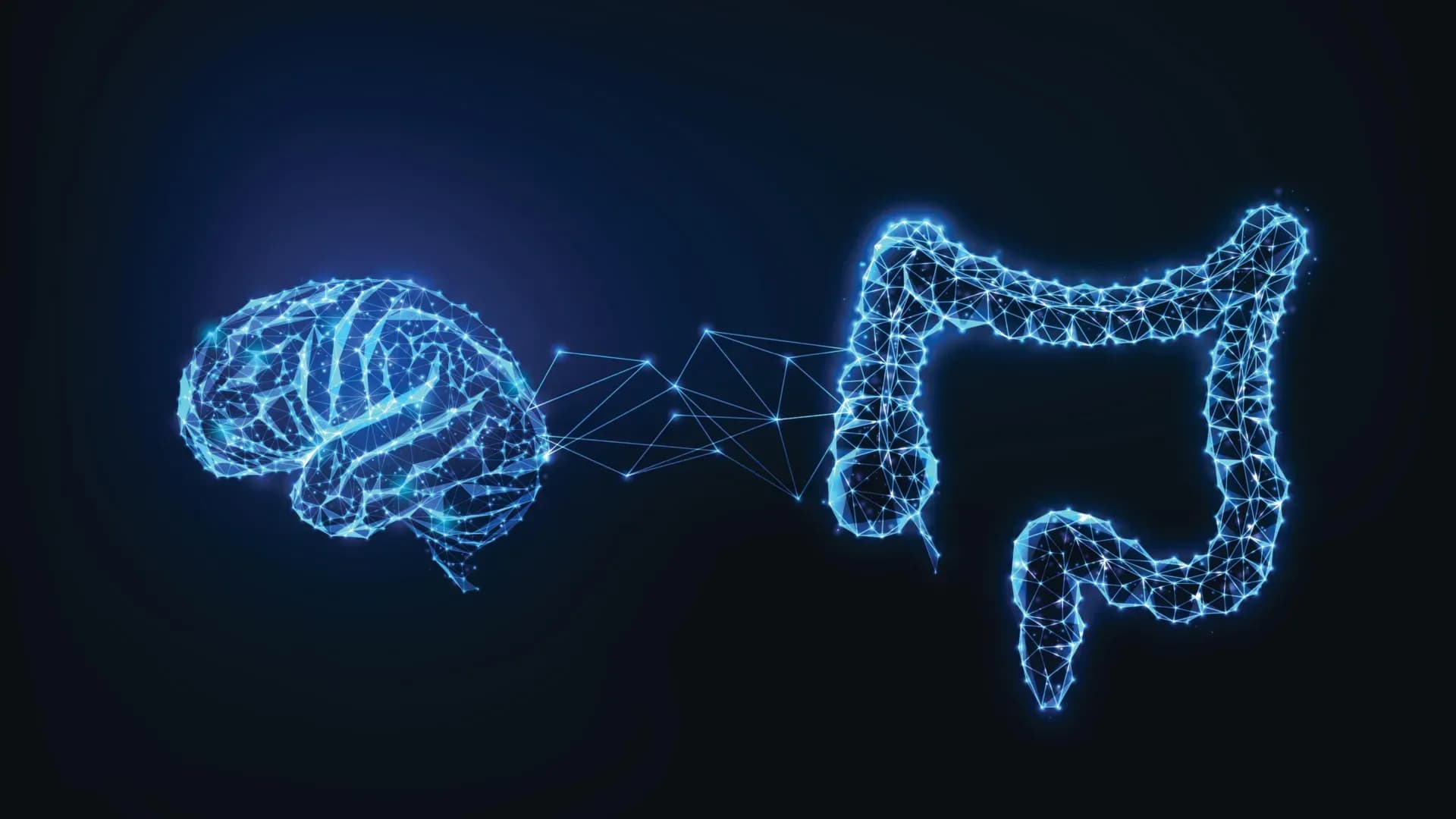
The Case Western team uncovered a molecular pathway that connects digestive system activity directly to brain deterioration. Specifically, they found that certain harmful gut bacteria produce inflammatory forms of glycogen — a type of sugar — that set off immune responses capable of killing brain cells.
"We found that harmful gut bacteria produce inflammatory forms of glycogen, and that these bacterial sugars trigger immune responses that damage the brain," explained Aaron Burberry, assistant professor in the Department of Pathology at Case Western Reserve School of Medicine.
The data from patient samples was striking. Among 23 individuals diagnosed with ALS or FTD, approximately 70% showed elevated levels of this damaging glycogen. Among people without either disease, only about one in three displayed comparable levels — a significant disparity that strengthens the case for gut bacteria as a key disease driver.
Why Some Genetic Carriers Develop Disease and Others Don't
One of the study's most significant contributions is the light it sheds on a long-standing mystery surrounding the C9ORF72 genetic mutation — the most commonly identified genetic cause of both ALS and FTD. Not every person who carries this mutation goes on to develop the disease, and researchers have long sought to understand why.
This new research suggests that gut bacteria serve as an environmental trigger, essentially activating disease in people who are already genetically vulnerable. In other words, genetics may load the gun, but the microbial environment in the gut may be what pulls the trigger.
Innovative Laboratory Methods Made the Discovery Possible
The breakthrough was enabled in part by specialized research infrastructure developed within Case Western's Department of Pathology and Digestive Health Research Institute. The team employed germ-free mouse models — animals raised in completely sterile environments with no bacterial exposure — allowing them to isolate and study the specific effects of individual microbes on disease development.
This large-scale microbiome research program is directed by Fabio Cominelli, Distinguished University Professor and director of the Digestive Health Research Institute. Central to the work is an innovative "cage-in-cage" sterile housing system engineered by assistant professor Alex Rodriguez-Palacios — a rare and technically demanding setup that makes it possible to conduct microbiome studies at a scale previously unattainable in most research settings.
Promising Treatment Possibilities on the Horizon
Perhaps most encouraging are the therapeutic implications of these findings. When researchers reduced the levels of harmful bacterial glycogen in their experimental models, the results were remarkable.
Rodriguez-Palacios reported that the reduction of these toxic sugars "improved brain health and extended lifespan" in the study subjects. This suggests that targeting glycogen-producing gut bacteria — either through dietary interventions, specialized medications, or microbiome therapies — could represent a viable strategy for slowing or even preventing disease progression.
The research also identifies potential biomarkers that physicians could use to detect which patients are most likely to benefit from gut-focused therapeutic approaches, adding a precision medicine dimension to the findings.
What Comes Next: Larger Studies and Clinical Trials
The research team is not stopping here. Burberry outlined an ambitious roadmap for translating these laboratory findings into real-world treatments.
"To understand when and why harmful microbial glycogen is produced, the team will next conduct larger studies surveying gut microbiome communities in ALS/FTD patients before and after disease onset," he said. "Clinical trials to determine whether glycogen degradation in ALS/FTD patients could slow disease progression are also supported by our findings and could begin in a year."
If those trials confirm what laboratory experiments have suggested, this research could mark a turning point in how medicine approaches two of the most heartbreaking diseases in neurology — shifting focus from the brain alone to the complex, powerful ecosystem living within our digestive systems.