Handheld Translators Explained: How They Work and Why Every Traveler Needs One
Handheld translators go far beyond basic phone apps. Discover how these pocket-sized devices work and which ones are worth your money.

Breaking the Language Barrier on the Go
Modern travelers have never had it easier when it comes to navigating foreign languages. A standard smartphone app can translate everything from everyday phrases to complex sentences in hundreds of languages — from Afrikaans to Zulu — in a matter of seconds. Speak or type your message, tap a button, and the translation appears instantly. Many apps will even read the translation aloud, turning your phone into a makeshift interpreter.
For the casual tourist looking to find the nearest pharmacy or decode an unfamiliar dish on a restaurant menu, a free translation app is usually more than enough. If you're heading somewhere that speaks a widely used language, you can even download language files in advance and use the app without any internet connection. Popular options like Google Translate, Apple Translate, and DeepL all offer this functionality at no cost. Google Translate, in particular, is widely regarded as the benchmark for everyday cross-language communication.
When a Phone App Isn't Enough
However, there are situations where a smartphone app simply doesn't cut it. Trying to hold a genuine, flowing conversation with a new acquaintance abroad, or communicating meaningfully with foreign in-laws during a family visit, requires something more capable and convenient. This is precisely where dedicated handheld translator devices earn their place.
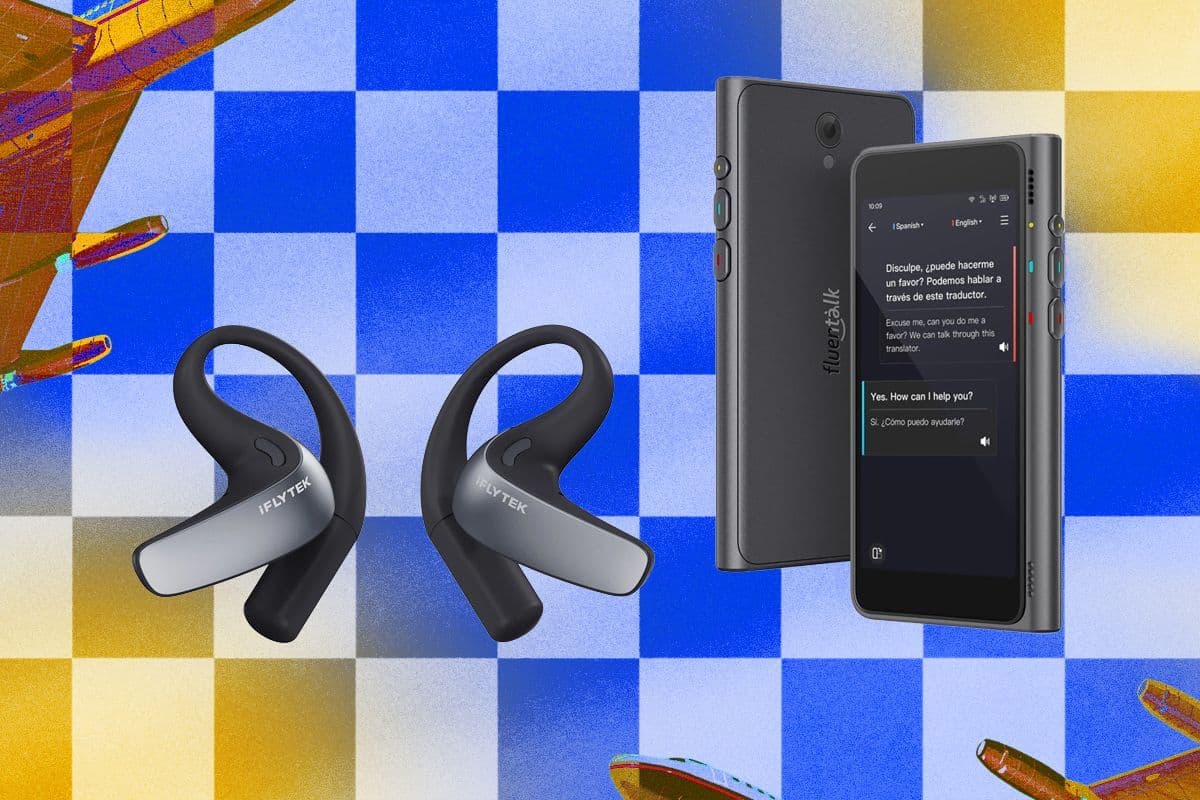
These compact, standalone gadgets are purpose-built for language interpretation and truly shine when used for extended, voice-driven conversations. Many models feature a screen that displays translated text for both speakers simultaneously — often with one side of the conversation shown upside down so each person can read their own language without passing the device back and forth.
The Advantages of a Dedicated Hardware Translator
Owning a standalone translation device comes with several practical benefits over relying on your phone.
Keeps Your Phone Free
With a separate device handling translation duties, your smartphone stays available for other tasks — taking photos, checking maps, or jotting down notes — rather than being locked into a single app.
Safer to Hand Over
If you need to pass the device to a stranger so they can read or respond to a translation, handing over a budget-friendly standalone gadget feels far less risky than putting your expensive smartphone into someone else's hands.
Independent Connectivity
Many handheld translators operate via built-in Wi-Fi or come preloaded with global data plans, meaning you can use them abroad without signing up for a costly international plan on your phone. For truly remote destinations, downloadable offline language packs allow these devices to function even without any internet access.
The Rise of Earbud-Based Translators
The next frontier in translation technology is the earbud-based translator. These devices come as a pair — one earbud for each speaker in the conversation. A companion app on your phone processes the translation in both directions behind the scenes, delivering the interpreted audio directly into each person's ear.
This approach creates the most natural and immersive communication experience currently available. There's no screen to squint at, no buttons to press repeatedly — just a fluid conversation that almost mimics the experience of having a live interpreter at your side. That said, handheld devices still tend to offer broader functionality overall, and earbud designs appear to represent the direction the industry is heading.
Important Things to Watch Out For
Before purchasing any handheld translator, there are a few key considerations to keep in mind.
Subscription Costs: Many devices advertise free service, but that offer often expires after a trial period. Ongoing subscription fees can be significant, so always read the fine print before committing to a purchase.
Language Coverage: While some translators claim to support hundreds of languages, the number of available language pairs — meaning which languages can be translated directly into which others — may be more limited. Confirm that your required language combinations are supported.
Who Actually Needs One: If you only need occasional translations for basic travel situations, a free app will serve you perfectly well. Dedicated translation devices are best suited to frequent users who anticipate regular, in-depth conversations with speakers of other languages.
Common use cases include attending extended family gatherings with relatives who speak a different language, participating in multinational professional workshops, or working in emergency response roles where a human interpreter isn't available. These tools are particularly valuable in multi-language environments or in remote areas where mobile data coverage is unreliable.
Top Handheld Translator Devices Worth Considering
Best Stand-Alone Translator: Timekettle T1
The Timekettle T1 is an affordable, pocket-friendly device that integrates smoothly into any travel setup. Designed for two-person use, the T1 splits its 4-inch touchscreen in half, displaying each person's side of the conversation in their own language. Users press a color-coded physical or on-screen button to indicate which language is being spoken — a system that takes a little getting used to but works reliably once mastered.
Translations are impressively fast, appearing in under a second, and accuracy is solid. The device does have an 8-megapixel camera for photo-based text translation, though the 540 x 1080-pixel display is on the small side for reading large blocks of text. The T1 includes a global eSIM with two years of free service (renewing at $50 per year afterward), and also supports 31 offline language pairs — 10 of which include English — making it a capable option even in areas with weak signal strength.
Best Translator Earbuds
For a more immersive translation experience, a quality pair of translator earbuds is hard to beat. The best models on the market weigh just 12 grams per earbud and operate completely hands-free once configured. There's no need to tap buttons or touch your ear between sentences — the earbuds intelligently detect who is speaking and when, delivering translations with the kind of speed and fluidity that resembles a professional simultaneous interpreter.
These earbuds also support one-way translation mode, which is useful for phone calls or solo listening. The main limitation is the lack of an offline mode, meaning an active internet connection on your smartphone is required for the earbuds to function.
Best AI Translator Companion Device: InnAIO T10
The InnAIO T10 takes a different approach by combining AI-powered note-taking with real-time language translation in a single screenless device. It attaches to the back of your smartphone via a MagSafe ring, keeping it constantly within reach. With just one physical button, the T10 records, transcribes, and summarizes conversations while simultaneously translating them.
It performs best with written translations but also handles audio translation, though each speaker must hold down a button in the companion app before speaking — a minor inconvenience during natural dialogue. Recent updates have added an offline mode and several other improvements. However, getting the most out of the T10 requires a subscription plan priced at $179 per year; the free tier limits users to just 120 minutes of real-time translation per month.
The Bottom Line
Handheld translators occupy a meaningful space between casual phone apps and professional interpretation services. For travelers who regularly engage in substantive conversations across language barriers — whether for personal, professional, or emergency purposes — these devices offer a level of convenience, reliability, and independence that a smartphone alone cannot match. Choose based on your specific needs and budget, and you'll find that communicating across languages is easier than ever before.

