H1B.Life: The Video Game That Puts Players Inside America's Most Stressful Visa Process
A new mobile game simulates the grueling H-1B visa journey, turning bureaucratic anxiety and immigrant uncertainty into an interactive experience.

A Video Game Is Translating the H-1B Visa Experience for Those Who've Never Lived It
For millions of people born outside the United States, terms like "H-1B lottery," "status adjustment," and "visa cap" are part of everyday vocabulary. But for many native-born Americans—even those who champion immigration reform—this terminology can feel completely alien. That disconnect is precisely what motivated game developer Yang to create H1B.Life, a mobile video game that simulates what it actually feels like to navigate the American work visa system as an immigrant in an increasingly unwelcoming political climate.
What Is H1B.Life and How Does It Work?
Scheduled for release this summer, H1B.Life is a visual novel-style mobile game that follows a character who completed her education in the United States and is now attempting to transition from a student visa to a work visa. Players make key life decisions on her behalf—shaping her finances, social support network, and personal resilience—each of which influences her immigration outcome.
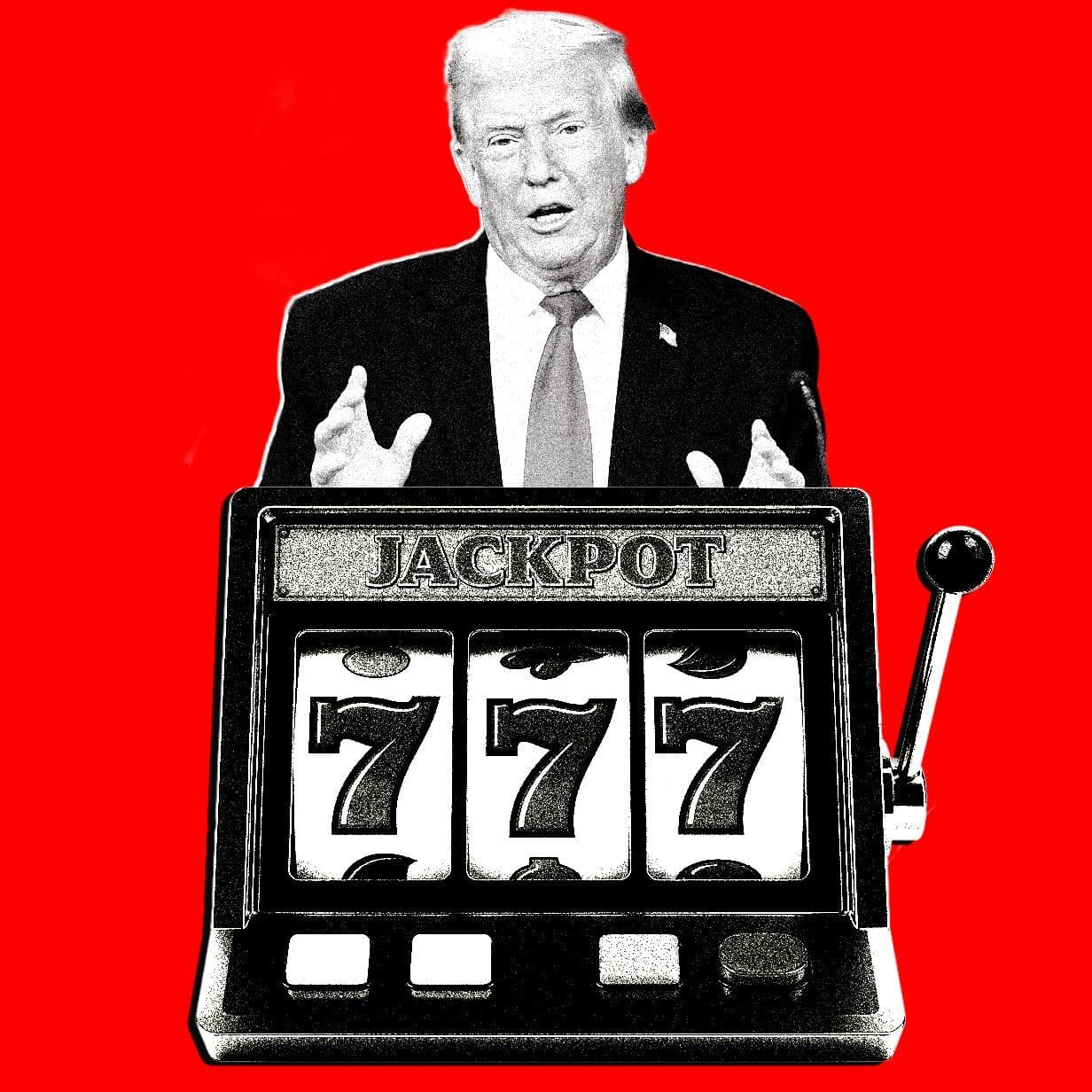
But the game is far more complex than a standard choose-your-own-adventure format. At its core is a slot machine mechanic that randomly generates real-world events—everything from financial crises to terrorist attacks—that can dramatically alter the character's path. This unpredictable element mirrors the genuine chaos that visa applicants face in real life, where external forces far beyond their control can upend years of careful planning.
A Development Team With Skin in the Game
More than half of the nine-person development team has personally experienced the US visa process—either successfully obtaining one or failing to do so. While the majority of developers are from China, the team deliberately sought talent from multiple countries to ensure a broader range of immigrant perspectives were represented.
"Everybody knows somebody that's on a visa, but not all of them are vocal about that part of their identity," says Andrea Saravia Pérez, a narrative designer from Colombia who joined the project in February. "How can we develop a project that's interactive and shows people this immigration system that a lot of Americans are not familiar with?"
Growing Demand for Politically Engaged Games
H1B.Life debuted at the annual Game Developers Conference in San Francisco, where it generated significant buzz. Yang noted that the gaming industry is increasingly interested in politically charged projects, and the team's willingness to tackle a pressing social issue—without chasing commercial profit—resonated strongly with conference attendees.
The game received philanthropic funding and the team plans to launch a Kickstarter campaign to secure additional resources. Interest has already extended beyond US borders, with developers from Germany and Australia reaching out about licensing or adapting the game for their own immigration contexts.
"The whole world is turning right, and life is getting more difficult for all immigrants," Yang noted.
The H-1B Visa: A High-Stakes Annual Gamble
Established in 1990, the H-1B visa program remains one of the most commonly used immigration pathways for college-educated professionals seeking white-collar employment in the United States. The program issues approximately 85,000 visas per year, but because demand consistently outpaces supply, applicants must enter a randomized lottery. Those who lose must wait a full year before trying again.
The odds have shifted dramatically over time. When some current applicants first entered the lottery, their chances of selection hovered around 80 percent. By 2024, those odds had collapsed to roughly 25 percent. One interviewee the team spoke with lost the lottery five consecutive times—a streak that sent them into an existential spiral, forcing them to reconsider every aspect of their life.
The Human Cost Behind the Statistics
The development team grounded the game in real stories by interviewing more than two dozen immigrants about their H-1B experiences. The goal was to balance technical accuracy with emotional authenticity—explaining complicated visa rules without turning the game into a dry legal manual.
One anecdote that stuck with a journalist on the team—who requested anonymity to protect her own immigration prospects—involved an applicant who spent years wanting to buy a comfortable couch. She never did. The constant fear of being forced to leave the country on short notice made any significant purchase feel reckless.
"I heard so many narratives like this. People feel that they are losing control of their own lives" because of the immigration system, the journalist explained.
This emotional throughline—the sensation of helplessness in the face of an arbitrary bureaucratic system—is what the team hopes players will internalize.
The Slot Machine, the Buddhas, and the Crispy Chicken Legend
To prevent the game from becoming an unrelenting exercise in despair, the developers embedded moments of levity and cultural humor throughout. The slot machine at the heart of the game cycles through five different buddha figures, each delivering a random event that shifts the character's trajectory.
"We're crafting these moments with ups and downs so that it's a roller coaster, not a downward doom spiral," says Saravia Pérez.
The Chick-fil-A Superstition That Became Gaming Canon
One of the most memorable buddhas—a chicken-shaped figure called the "Crispy Buddha"—draws directly from a quirky piece of immigrant internet folklore. Among Chinese visa applicants, there exists a widely shared belief that eating at Chick-fil-A somehow improves your chances of winning the H-1B lottery.
The myth reportedly originated in online forums, where users noticed—and loudly posted about—the coincidence of learning they had won the lottery while eating fried chicken. The legend took on a life of its own. Every April, as H-1B lottery results are announced, thousands of Chinese applicants change their social media profile pictures to the Chick-fil-A logo as a form of collective digital prayer.
It's a small but telling detail: when the system feels entirely out of your hands, people reach for whatever rituals might tip the odds in their favor.
Why This Game Matters Right Now
H1B.Life arrives at a moment when immigration policy is under intense political scrutiny and anti-immigrant sentiment is reshaping governments worldwide. By transforming a notoriously opaque bureaucratic process into an interactive, emotionally resonant experience, the game has the potential to build empathy among players who have never had to wonder whether they would still be allowed to live in the country they call home.
"If we can just put people in our shoes, I think it can create a very positive impact," says Saravia Pérez. "As long as players come to have fun and are able to sympathize and understand it a little bit more, I think that we've done our job as a team."