GoPro Eyes Defense Contracts and a Potential Sale as Its Business Struggles to Stay Afloat
Once a beloved tech brand, GoPro is now exploring defense applications and a possible sale as sales decline and layoffs mount.
GoPro Joins the Growing List of Companies Pivoting to Defense
If you want to capture investor attention in today's market, the playbook seems increasingly clear: build data centers, develop energy storage solutions, or pivot to defense. GoPro, the iconic action camera brand, appears to be following that third path — and doing so while simultaneously exploring whether it should sell itself entirely.
A Market Trend That's Hard to Ignore
Across the technology and manufacturing sectors, companies are racing toward opportunities that align with government spending and infrastructure demand. Ford's fledgling energy-storage division sent its stock surging to multi-year highs despite being a small fraction of Tesla's operation. Redwood Materials secured $425 million from powerhouse investors including Google and Nvidia after repositioning toward data center energy storage. Cerebras delivered one of the most talked-about IPOs of 2026. And defense-focused startup Anduril recently closed a staggering $5 billion funding round.
The message from investors and public markets alike is unmistakable: companies with even a plausible shot at landing government contracts should be pursuing them aggressively.
GoPro's Long Road From Darling to Distress
GoPro was once the undisputed king of the action camera market. Throughout the 2010s, competitors and tech commentators repeatedly proclaimed the arrival of so-called "GoPro killers" — from TomTom's action cameras to Google's short-lived Clips device — yet none managed to unseat the California-based pioneer. The company not only survived but helped define an entirely new product category.
However, survival and prosperity are two very different things. In recent years, GoPro's financial picture has grown increasingly grim. Revenue has fallen steadily, losses have widened, and the company's stock price stagnated at around $1 for the better part of two years.
The Defense Pivot and Its Mixed Results
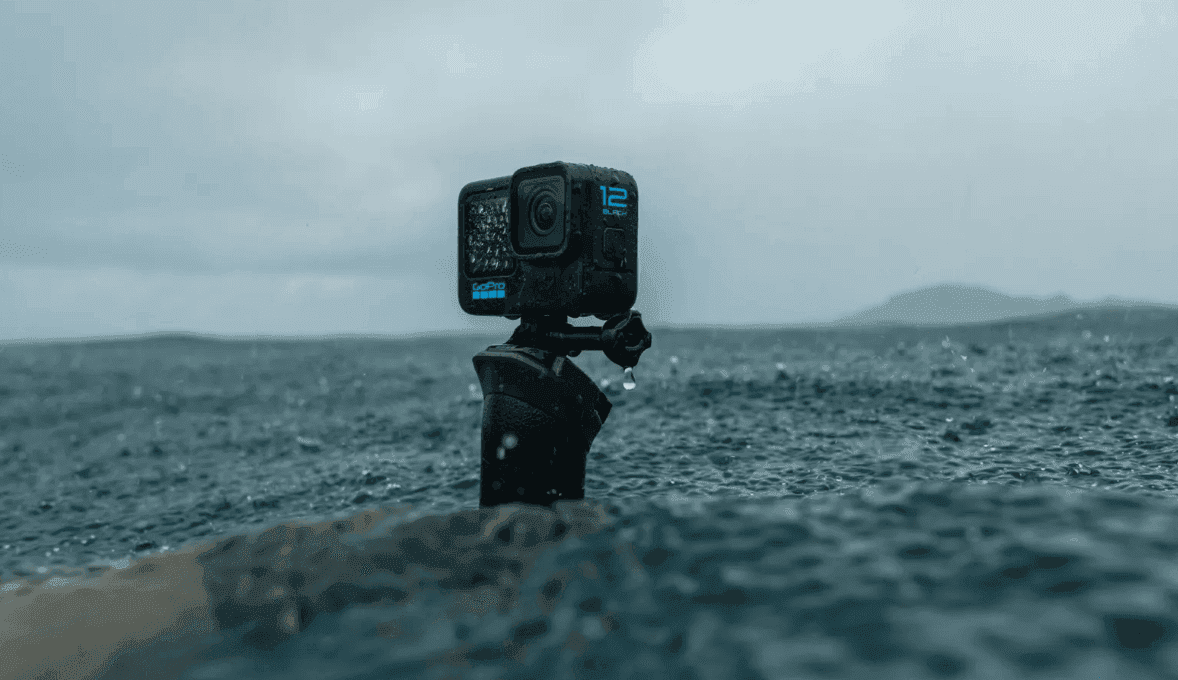
Last month, GoPro announced it would formally "explore defense and aerospace market opportunities." On the surface, the strategy isn't entirely far-fetched. The company's cameras are known for exceptional image quality and rugged durability — hardware that has survived motorcycle crashes and even a fall from the edge of space. Those attributes translate reasonably well to military and surveillance applications.
The announcement delivered a short-term boost, nearly doubling GoPro's stock price for a brief window. But that rally quickly faded, suggesting investors remain skeptical about whether the defense pivot represents a genuine transformation or simply a headline-driven bump.
Hiring a Bank and Weighing a Sale
The situation took a more serious turn when GoPro announced it had engaged investment bank Houlihan Lokey to evaluate a "potential sale and other strategic alternatives." The company's board of directors disclosed that it had received "several unsolicited inbound strategic inquiries from parties across various sectors including defense, consumer and financial" — language that signals the company is at a genuine crossroads.
This isn't the first time a sale has been discussed internally. Founder and CEO Nick Woodman acknowledged in 2018 that the idea had briefly come up. But the circumstances today are considerably more urgent.
Layoffs and a Shrinking Workforce Add to the Pressure
Beyond the financial deterioration, GoPro recently announced it is cutting approximately 25 percent of its workforce. The layoffs are particularly striking given how much the company has already contracted — its headcount has fallen to fewer than 600 employees after once reaching as high as 1,500. For a brand that was considered a tech darling just 15 years ago, the decline is stark.
Navigating an Uncertain Future
GoPro's situation reflects a broader reality facing many consumer technology companies that thrived in the smartphone era but now find themselves squeezed between slowing demand and intensifying competition. With the Pentagon's budget continuing to expand, the allure of defense contracts is understandable — even for a company best known for capturing surfing videos and ski runs.
Whether GoPro can successfully reposition itself for defense customers, find a suitable buyer, or chart some other path forward remains to be seen. What's clear is that the company that once inspired a generation of adventure filmmakers is now fighting a very different kind of battle.
