Google Fitbit Air Review: The Screenless Tracker That Does Everything Right
Google's Fitbit Air ditches the display but keeps every feature that matters, making it the lightest, most capable — and most affordable — Fitbit ever made.

Google Fitbit Air Review: The Screenless Tracker That Does Everything Right
Google has taken a bold step with its latest Fitbit release, stripping away the screen entirely while somehow managing to preserve the full range of features that made the brand popular in the first place. The result is the most lightweight, accessible, and budget-friendly Fitbit to date — a wearable that quietly does its job without ever demanding your attention.
Design and Comfort: Barely There by Design
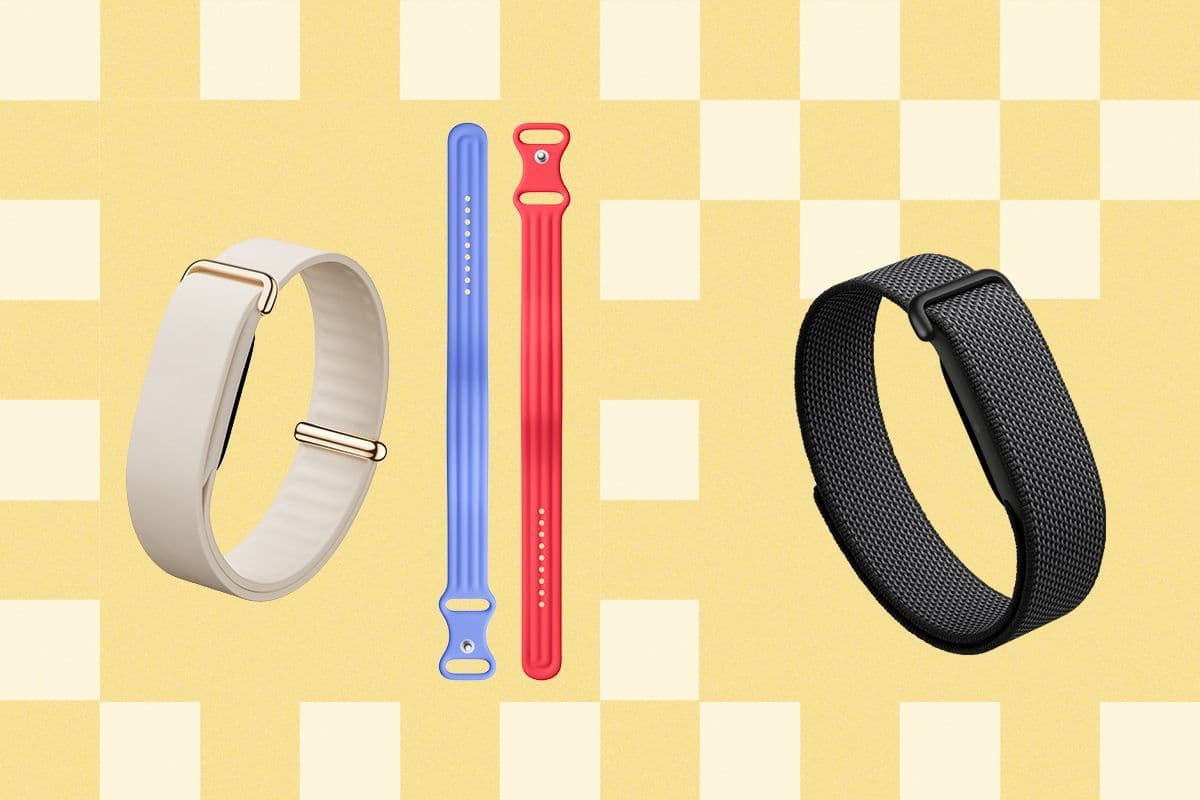
The Fitbit Air comes standard with the Performance Loop Band, a soft, breathable woven strap crafted from recycled materials. Its micro-adjustable Velcro closure makes it easy to dial in the perfect fit, and after a few hours on your wrist, you genuinely forget it's there. That's the point.
For those who want something extra, Google offers a limited-edition band created in collaboration with NBA champion and Google AI Health Coach performance adviser Stephen Curry, available for an additional $30. There's also a sweatproof silicone Active Band built for intense workouts, and the sleek Elevated Modern Band for those who prefer a more jewelry-like aesthetic. All three options wear comfortably, though the Performance Loop remains the most versatile choice for everyday use.
The Air is engineered to stay on your wrist around the clock, seamlessly adapting to your daily routine rather than being something you constantly remove and reattach.
Smartwatch Compatibility: Wear What You Love
One of the more practical aspects of the Fitbit Air is how it coexists with other wearables. You can pair it alongside a smartwatch or alternate between the two without losing any of your data history — provided that smartwatch is the Google Pixel Watch. Google has confirmed that broader compatibility with additional watch brands is on the roadmap, but for now, Pixel Watch users get the most seamless experience.
On the upside, this also means you can keep wearing your favorite mechanical or fashion watch on one wrist while the Fitbit Air quietly tracks your health data on the other, with nobody around you any the wiser.
Battery Life: Quick Charging Saves the Day
The Fitbit Air delivers up to seven days of battery life on a full charge — consistent with most Fitbit devices in its lineup. Charging from zero to full takes around 90 minutes, but the real standout feature is its rapid-charge capability: just five minutes connected to the charger provides roughly a full day of use. Whether you're heading into a workout, catching a flight, or climbing into bed, a quick top-up is all you need.
One important note: the charger is proprietary, so keeping track of it is essential. Picking up a spare is a smart precaution.
Since the Air has no screen, checking battery status requires a slightly different approach. A double-tap on the sensor triggers an LED indicator on the side of the device — white blinking signals above 20 percent battery, red blinking indicates below 20 percent, and a solid red light means the battery is fully depleted. The Google Health app also sends a push notification when you're down to roughly one day of charge remaining, and the tracker itself vibrates when it drops below that 20 percent threshold.
The Google Health App: Where the Real Experience Lives
Without a screen, the Fitbit Air leans entirely on the redesigned Google Health app to deliver its experience — and the app is genuinely impressive. It supports both Health Connect and Apple HealthKit, ensuring full compatibility across Android and iOS devices.
The redesigned interface is cleaner and far more customizable than Fitbit's older software. Users can personalize their dashboards, pin their most-used metrics, set weekly fitness targets, and access guided workout content through instructional videos or step-by-step breakdowns. The philosophy behind the design is adaptation — the app works around your habits rather than trying to force you into someone else's routine.
Google Health Premium: The Full Picture Costs Extra
Much of what makes the Google Health app truly valuable sits behind a subscription: Google Health Premium, priced at $10 per month or $100 per year. Every new Fitbit Air purchase includes a complimentary three-month trial, giving users time to explore the platform's deeper capabilities before committing.
Without a Premium subscription, the basics remain accessible, but the richer layers — advanced data analysis, personalized coaching through the AI Health Coach, and contextual health insights — are locked away. For most users, that coaching layer is precisely what elevates the Fitbit Air from a simple data collector to a genuinely useful wellness tool.
A Few Things to Keep in Mind
The Fitbit Air is not without its quirks. Automatic activity detection occasionally misclassifies workouts, which can skew your fitness data. The AI Health Coach, while motivating, sometimes defaults to surface-level prompts that lack depth. And Google's growing emphasis on its proprietary health scores — rather than more universally understood metrics — may frustrate users who prefer straightforward data.
Final Verdict
The Google Fitbit Air is a remarkably refined piece of wearable technology. It's the lightest and most comfortable Fitbit ever made, offers a comprehensive suite of wellness tracking across fitness, sleep, and health, and comes in at a compelling $100 price point. If you're looking for a no-fuss, always-on health companion that stays out of your way while quietly doing its job, the Fitbit Air is hard to beat.