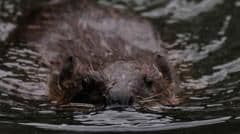
Gloucestershire Prepares to Welcome Beavers Back to the Wild
A major wildlife project is entering its next phase, working to reintroduce Eurasian beavers across more areas of Gloucestershire after an encouraging public response.

Gloucestershire Moves Closer to Beaver Reintroduction
A pioneering wildlife initiative is gaining momentum in Gloucestershire, as conservationists work to expand the presence of beavers across the region. The Severn Vale Beaver Project, a collaboration between Gloucestershire Wildlife Trust and Forestry England, is now entering a critical new phase aimed at making the county fully prepared for the return of these native mammals.
A Project Rooted in Early Success
The project's origins trace back to 2018, when the first pair of beavers was reintroduced to the Forest of Dean — marking a historic moment for a species that had been absent from Britain for roughly 400 years following widespread hunting. Before their extinction, beavers roamed British landscapes for over two million years, playing a vital role in shaping natural ecosystems.
Building on the success of that initial reintroduction, the trust and Forestry England have now identified two additional sites within the Severn Vale catchment area as potential candidates for further releases.
Overwhelming Public Support Drives the Next Phase
A feasibility study conducted as part of the project revealed remarkably strong public backing, with 91% of those surveyed expressing support for beavers returning to Gloucestershire. This enthusiasm has encouraged the trust to push forward with the next stage of planning and community engagement.
To help manage this expansion, two dedicated assistant species recovery officers will be appointed. Their role will involve supporting the needs of the beavers themselves, while also working closely with local landowners and communities to address any concerns and ensure a smooth transition.
However, the trust has been clear that reintroduction is not yet guaranteed. Any formal release of Eurasian beavers will require licensing approval from Natural England before it can proceed.
The Environmental Case for Beavers
Proponents of the project point to a compelling list of ecological benefits that beavers can deliver. Emma Hutchins, Director of Nature's Recovery at Gloucestershire Wildlife Trust, highlighted how the reintroduction could help restore lost habitats, boost biodiversity, and even reduce flood risk for vulnerable downstream properties.
"We believe that reintroducing beavers to the Severn Vale will be positive for both people and wildlife," Hutchins said. "We are committed to working with local people to minimise the risk of effects from beavers on other land uses, while enabling beavers to resume their place as a keystone species in our ecosystem."
Beavers Already Making a Difference in the Forest of Dean
Evidence from the existing beaver enclosures in the Forest of Dean suggests the animals are already delivering tangible environmental results. Dr Amy Fitzmaurice, Species Recovery Officer for Forestry England, noted that the beavers currently housed in enclosures are actively restoring wetlands, creating new habitats, and slowing water flow — a natural flood management technique that could prove invaluable for communities at risk.
"Across the country, beavers are starting to return to the wild too, but that kind of change takes time and careful planning," Dr Fitzmaurice explained. "By working with Gloucestershire Wildlife Trust and other partners, we've been able to look closely at what beavers could mean for the Severn catchment — the opportunities they bring, as well as the challenges."
Looking Ahead
With detailed planning underway and community consultations set to continue, Gloucestershire's journey toward becoming fully beaver-ready is well underway. If licensing is approved, the reintroduction could mark a significant milestone in the UK's broader effort to restore native species and rewild natural landscapes for future generations.