Fricy: The Sweet and Spicy Food Trend Set to Dominate Summer 2026
Fruit meets fire in the hottest food trend of the season. Could 'fricy' dishes be showing up on your plate this summer?

What Is 'Fricy' — And Why Is Everyone Talking About It?
Food lovers have always been drawn to unexpected flavor combinations. Whether it's the satisfying crunch of salt and pepper chicken, the guilty pleasure of dunking fries into a milkshake, or the classic pairing of peanut butter and jam, there's something deeply satisfying about flavors that shouldn't work together — but absolutely do.
Now, a bold new culinary trend is emerging ahead of summer 2026, and it goes by the name 'fricy' — a portmanteau of 'fruity' and 'spicy.' Food websites are already championing it as the next big thing, and social media platforms are beginning to catch on.
What Exactly Is Fricy Food?
At its core, fricy is the art of combining refreshing, sweet fruit with the intense heat of spices like chilli or jalapeño. Food publications are already rolling out recipes that pair rhubarb with chillies, combine pineapple with jalapeño peppers, and even serve steak alongside spicy strawberries.
The result is a flavor experience that delivers both sweetness and heat simultaneously — a combination that feels fresh and exciting, even though it's far from new.
A Flavor Tradition Rooted in Culture
While 'fricy' may sound like a modern invention, the blending of fruit and spice has been a cornerstone of traditional cooking in countries like Vietnam, Mexico, Thailand, and Sri Lanka for centuries. What's new is simply the catchy label and the viral momentum building around it in Western food culture.
The Science Behind the Trend
There's more to fricy food than just taste — there's actual food science supporting why the combination works so well. Food scientist Brittany Towers, speaking to Business Insider, explained that the natural sugars found in fruit have the ability to neutralize and soften the heat generated by spicy ingredients like chilli. This makes fricy dishes surprisingly accessible, even for people who typically shy away from anything too hot.
In other words, the sweetness of the fruit acts as a natural buffer, creating a more balanced and enjoyable heat experience.
Fricy's Rise on Social Media
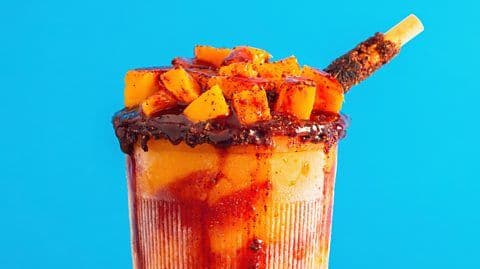
While the hashtag #fricy hasn't gone fully viral just yet, its presence is growing steadily across TikTok and Instagram. One standout example is the mangonada, a beloved Mexican drink made with mango, chilli, and other ingredients. This vibrant, flavor-packed beverage has already accumulated more than 47,000 posts on TikTok, with users eagerly sharing their reactions to the fricy taste.
Spicy fruit bowls are another fricy staple gaining attention online. A popular street food across Vietnam and Mexico, these bowls typically feature fruits like mango and pineapple generously coated in chilli-based spices — simple, colorful, and packed with bold flavor.
Why Food Trends Explode Online
Food has a uniquely powerful pull on social media. With over one billion food-related posts on TikTok alone, the platform has enormous influence over what people choose to eat and explore. Bold, eye-catching content — including clickbait-style headlines like "You HAVE to try this fricy dish!" — drives curiosity and engagement, encouraging users to click, watch, and eventually taste.
Visual appeal plays a massive role in this process. Consider ube, the vivid purple Filipino yam that became a social media sensation in 2026 after appearing in coffee shop chains. Its striking color made it instantly shareable and irresistible to the curious.
Fricy food carries similar visual power. The mangonada, with its bold palette of yellows, oranges, reds, and deep browns, is practically made for an Instagram feed. And unlike a single trending dish, fricy represents an entire flavor philosophy — meaning whole menus could be built around the concept.
The Influencer Effect
As with any emerging trend, influencers hold significant power over how quickly fricy food reaches mainstream audiences. A single post from a creator with a large, engaged following could catapult the trend into viral territory overnight. It's also worth noting that brands standing to benefit from increased interest in fruit and spice products may actively invest in influencer partnerships to accelerate that growth.
Once a trend becomes established and familiar, consumer hesitation tends to drop — making it far more likely that everyday people will reach for a fricy snack without a second thought.
Will the Algorithm Bring Fricy to You?
Whether fricy food appears in your social media feed largely depends on your existing interests. If food content is already part of your online world, there's a strong chance algorithms have already begun serving you fricy-related posts. If your feed leans more toward sports or fashion, the trend may currently exist only within dedicated foodie communities — though as momentum builds, that's unlikely to last.
One thing seems certain: fricy is a trend worth watching. As summer 2026 approaches, don't be surprised if sweet heat starts showing up on menus, in your grocery store, and all over your social media feed.