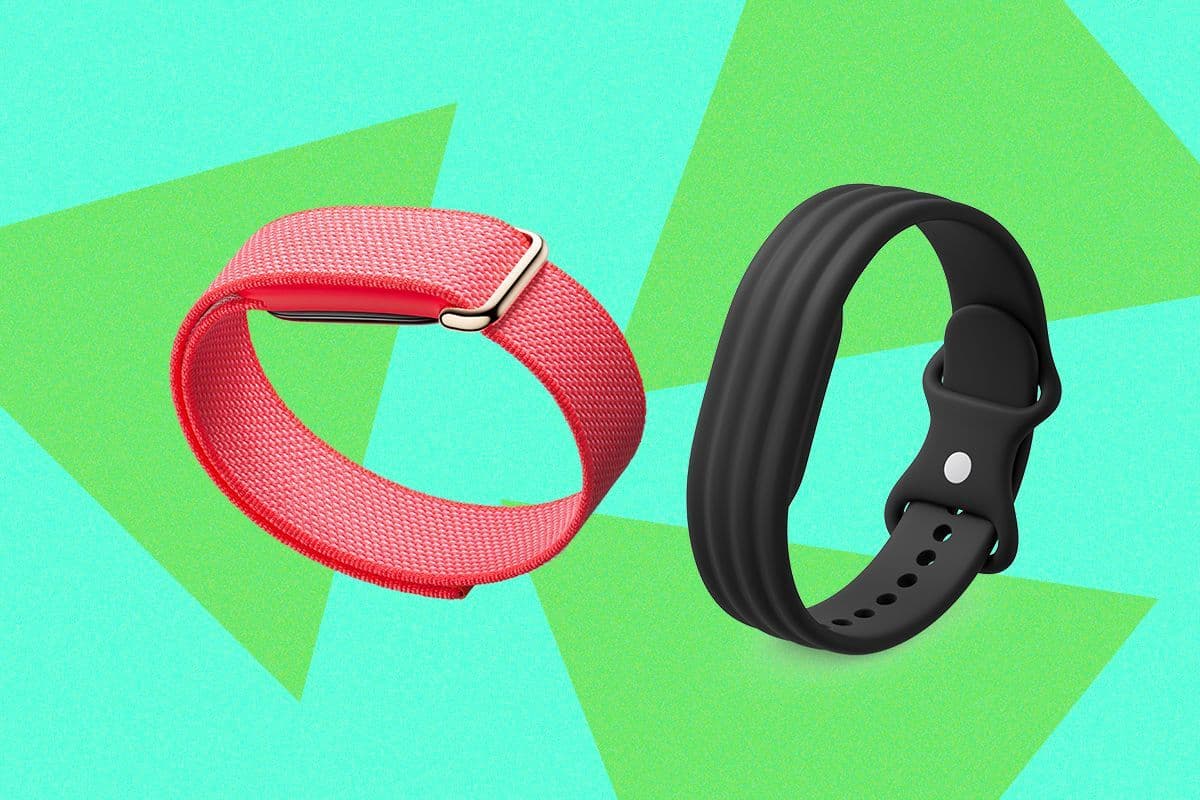
Fitbit Air (2026): Google Goes Screen-Free to Challenge Whoop's Dominance
Google's new Fitbit Air ditches the display entirely, bringing minimalist fitness tracking and AI-powered coaching to your wrist for just $100.

Google Takes Fitness Tracking in a Bold New Direction
Three years after releasing the Charge 6 and five years since acquiring Fitbit, Google is making a significant pivot in wearable technology. The newly unveiled Fitbit Air strips away the screen entirely, embracing a minimalist form factor that puts data collection and AI-driven coaching front and center. It's the most ambitious shift in Fitbit's product history — and possibly the first real challenge to Whoop's dominance in the screenless fitness tracker market.
What Makes the Fitbit Air Different
A Truly Screenless Experience
The Fitbit Air represents a complete departure from everything the brand has built over the past decade. Gone is the AMOLED display, the haptic side button, and the on-wrist visual feedback that users have come to expect from Fitbit devices. In their place is a sleek, oval-shaped tracker that slots into a variety of interchangeable bands and sits quietly on the wrist — more Whoop than traditional fitness tracker.
Google claims the Air weighs 20 percent less than the now-discontinued Fitbit Luxe. The idea is simple: design a device that disappears into your daily routine rather than competing for your attention. As a result, features like Google Wallet payments and YouTube Music controls are absent — this is a purely functional health device.
Band Options and Colorways
To complement the Air's minimalist aesthetic, Google is launching an expanded accessories lineup:
- Performance Loop – Made from recycled materials with a micro-adjustable fit, available in Obsidian, Fog, Lavender, and Berry
- Active Band – A sweat- and waterproof silicone strap designed for intense workouts, also in four colors
- Elevated Modern Band – A fashion-forward option for everyday wear, available in Porcelain, Moonstone, and Obsidian
For launch, Google has collaborated with NBA champion Stephen Curry on a limited-edition band. Curry has been serving as a performance adviser for the platform's Health Coach feature and was spotted wearing a prototype version during Golden State Warriors games.
Pricing and Positioning
At $100, the Fitbit Air matches the price of the Inspire 3 — Google Fitbit's entry-level model — making it a direct competitor to its own budget lineup. However, in terms of capability, it punches well above that price point. The Air includes a temperature sensor, gyroscope, and optical heart rate monitor, bringing it closer to Google's premium wearables in terms of raw sensor technology.
Health Tracking Features
Comprehensive Metrics Without the Screen
Despite its bare-bones exterior, the Fitbit Air doesn't cut corners on health tracking. It delivers the same breadth of features found in the Charge 6, including:
- Step counting, distance, and calorie tracking
- Weekly Cardio Load and Daily Readiness Score
- 24/7 heart rate monitoring
- Irregular heart rhythm notifications with AFib detection
- High and low heart rate alerts
- Heart Rate Variability (HRV) insights
- Blood oxygen (SpO2) monitoring
Upgraded Sleep Tracking
Sleep tracking receives a meaningful improvement with the Air. Google's Gemini AI now powers the sleep analysis engine, delivering a claimed 15 percent improvement in accuracy over previous models when detecting interruptions, naps, and transitions between sleep stages. The personalized Sleep Score remains, and a new Smart Wake alarm feature wakes users at the most natural point in their sleep cycle for a smoother morning.
Google Health and the AI Coaching Ecosystem
Meet Health Coach
The Fitbit Air is designed to function as a data-gathering hub within Google's growing health software ecosystem. The companion Fitbit app has been rebranded as Google Health, and at the center of the experience is Health Coach — an AI-powered guidance system built on Google's Gemini model.
Rather than simply displaying your metrics, Health Coach interprets them and turns them into practical recommendations. It can build personalized workout plans, flag optimal recovery windows based on strain and readiness scores, and provide detailed analysis of sleep disruptions. The goal is ongoing, adaptive coaching that evolves alongside your lifestyle.
What's Free vs. What Costs Extra
It's worth understanding the subscription structure before committing. The Google Health app is free and accessible to anyone with a compatible Fitbit or Pixel Watch device. However, Health Coach and adaptive fitness planning are locked behind Google Health Premium, priced at $10 per month or $100 per year.
Purchasers of the Fitbit Air receive three free months of Premium. The subscription is also bundled with Google One's AI Pro and AI Ultra plans.
Seamless Integration With Pixel Watch
For users already invested in the Google wearables ecosystem, the Air slots in without friction. It pairs with the same Google Health app as the Pixel Watch, meaning both devices can be worn simultaneously or swapped out depending on the situation. Health data syncs automatically, and the app allows users to filter metrics by device — a clear signal of Google's intent to build a unified, interchangeable health platform.
Technical Specifications
| Specification | Details | |---|---| | Price | $100 | | Compatibility | Android 11.0+ / iOS 16.4+ | | Battery Life | Up to 7 days | | Water Resistance | 5 ATM | | Sensors | Optical heart rate, 3-axis accelerometer, gyroscope, SpO2, temperature | | Dimensions | 1.4 x 0.7 x 0.3 inches | | Weight | 0.01 lb (without band) / 0.03 lb (with band) | | Materials | Recycled polycarbonate and PBT plastic housing; textile band with stainless steel buckle | | Colors | Obsidian, Fog, Lavender, Berry |
Availability
The Google Health app rolls out on May 19 for both Android and iOS. The Fitbit Air is available for preorder now and officially launches on May 26.
For those who want serious fitness data without a glowing screen demanding their attention, the Fitbit Air makes a compelling case — especially at this price point. Whether it can genuinely dethrone Whoop will depend on how well Google's software delivers on its ambitious AI coaching promises.