Fish Oil and Alzheimer's Prevention: What a Major Clinical Trial Really Found
A landmark USC study tested high-dose DHA supplements in older adults at risk for Alzheimer's. The results may surprise you.

Can Fish Oil Supplements Actually Protect Your Brain?
For years, omega-3 fatty acids have been celebrated as a potential defense against cognitive decline. Walk into any pharmacy, and you'll find shelves stocked with fish oil capsules promising sharper memory and better brain health. But a significant new clinical trial from the University of Southern California is challenging that popular belief — and the findings deserve a closer look.
What the USC Study Set Out to Discover
Researchers at the USC School of Medicine conducted a large-scale, two-year clinical trial examining whether high-dose DHA supplementation could benefit older adults who were at elevated risk of developing Alzheimer's disease. The conclusion? Although DHA did successfully reach the brain, it failed to improve memory, enhance cognitive performance, or slow the rate of brain tissue loss.
"Everyone hopes for a silver bullet to prevent Alzheimer's disease, but we can't say that fish oil supplements protect brain health," said Hussein Naji Yassine, director of the Personalized Brain Health Center at USC. "While omega-3s play an important role in forming brain cell connections needed for cognition, our results do not support fish oil supplements as a preventive measure against Alzheimer's."
How the Trial Was Structured
The study enrolled 365 men and women between the ages of 55 and 80, all of whom consumed fish infrequently. Roughly 47 percent of participants carried the APOE ε4 allele — the most significant known genetic risk factor for late-onset Alzheimer's disease. Each participant consumed fewer than 200 mg of DHA daily through their regular diet before entering the trial.
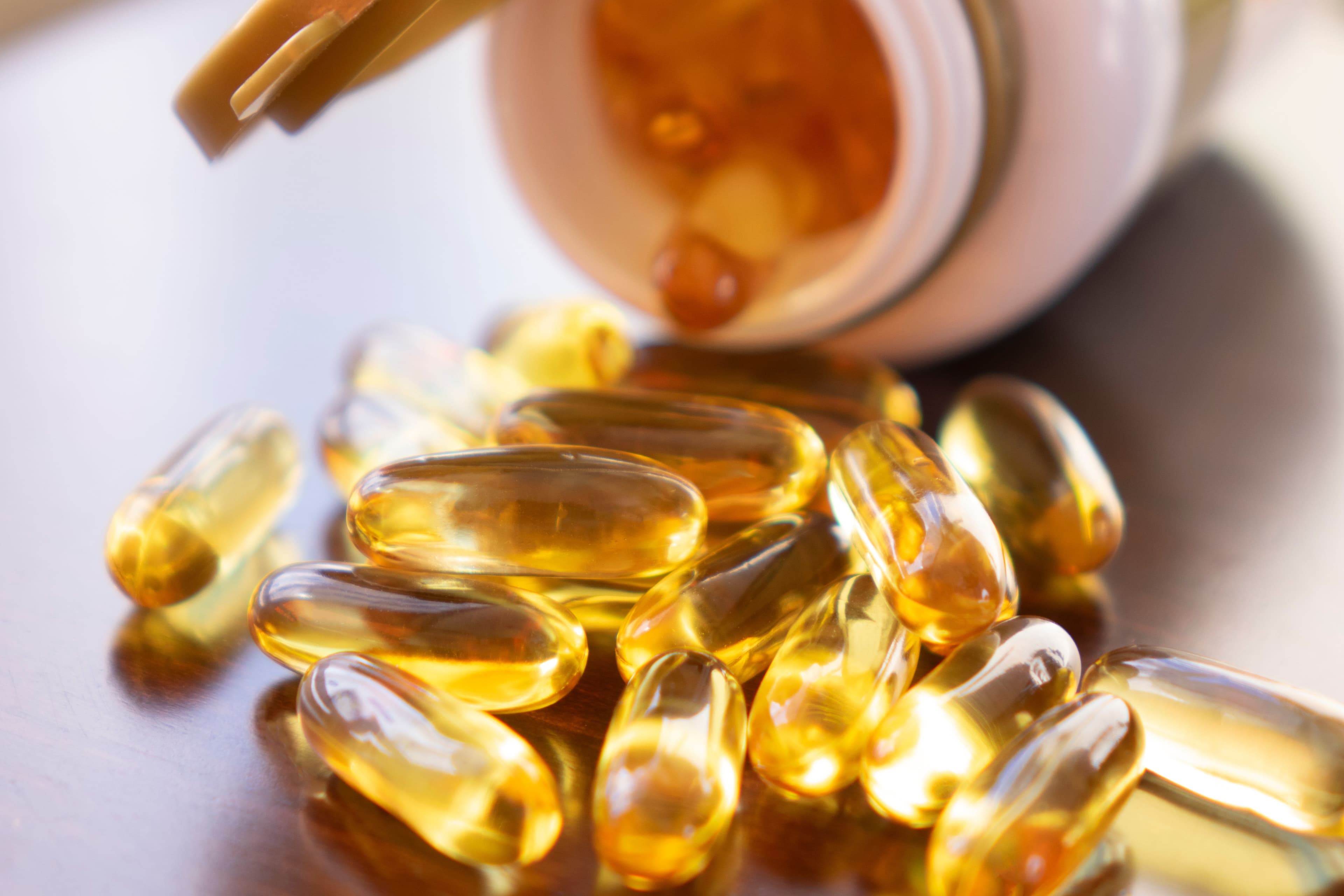
Using a randomized, double-blind, placebo-controlled design, participants were divided into two groups. One group took a daily DHA supplement containing 2,000 mg, while the other received a placebo made from a blend of corn and soybean oils. The two were identical in appearance, taste, and smell, and neither participants nor researchers knew who was receiving which treatment throughout the 24-month period.
DHA Reached the Brain — But Then What?
One early finding gave researchers reason for optimism. Measurements of DHA concentrations in the cerebrospinal fluid — the fluid that bathes the brain and spinal cord — revealed a 17 percent increase after just six months among those taking the supplement. Importantly, this increase occurred regardless of whether participants carried the APOE ε4 gene variant, confirming that high-dose DHA supplementation does penetrate the brain in cognitively healthy older adults.
However, the encouraging biochemical results did not translate into real-world benefits. After two years, participants underwent the Repeatable Battery for the Assessment of Neuropsychological Status, a standardized cognitive evaluation. No meaningful differences were found between the DHA group and the placebo group. Similarly, brain imaging revealed no significant differences in hippocampal volume — a key memory-related brain region and an early indicator of Alzheimer's progression.
Why Didn't the DHA Supplementation Work?
The research team proposed several theories to explain the disconnect between DHA reaching the brain and the absence of measurable benefits.
An Enzyme May Be Breaking Down DHA
One hypothesis centers on an enzyme called calcium-dependent phospholipase A2 (cPLA2). When this enzyme becomes active, it may degrade DHA before it can be properly integrated into synaptic membranes — the very structures where DHA is believed to support cognitive function most effectively.
Chronic Inflammation Could Be a Factor
Many participants in the study presented with common cardiovascular risk factors, including obesity, high blood pressure, and low physical activity levels. The persistent inflammation linked to these conditions may have undermined the potential benefits of DHA supplementation, making it difficult for a single nutrient to produce a detectable impact.
The Participants May Have Been Too Healthy
The average participant age was 66, and the group experienced only minimal cognitive decline throughout the study period. This means the trial window may have been too short and the baseline too healthy to detect any protective effect DHA might offer against more advanced neurodegeneration.
Pandemic-Related Disruptions
The researchers also acknowledged that the COVID-19 pandemic likely influenced their results. Approximately 38 percent of participants dropped out before completing the trial, reducing the statistical power of the study. Additionally, since the research was conducted at a single institution, care should be taken before applying these findings universally.
What Comes Next for the Research Team
Despite the disappointing outcome, the study opens meaningful avenues for future investigation. The USC team plans to explore how DHA is metabolized within the brain in greater detail, conduct trials focused specifically on individuals with preclinical Alzheimer's disease, and incorporate more sensitive neurodegeneration biomarkers such as plasma phosphorylated tau and neurofilament light chain proteins. The team also intends to investigate personalized approaches to treatment based on gut microbiome composition and individual APOE genotype profiles.
The Bottom Line on Fish Oil and Brain Health
For now, the evidence does not support the use of fish oil supplements as a reliable strategy for preventing Alzheimer's disease. Instead, the research reinforces what health experts have long recommended: the most effective tools for reducing dementia risk remain consistent physical activity, restorative sleep, and a nutritious, well-balanced diet. These lifestyle foundations may not be as glamorous as a daily supplement, but the science continues to point in their direction.