Final Voices of the Covid Inquiry: Families Reflect on Loss, Isolation, and Grief
As the UK Covid inquiry wraps up three years of hearings, bereaved families share devastating accounts of losing loved ones alone during the pandemic.

'He Died Alone': Bereaved Families Have the Final Say at the Covid Inquiry
After three years of extensive public hearings, the UK Covid inquiry concluded its testimony phase this week — and the most powerful voices saved for last were those of the people who lost the most.
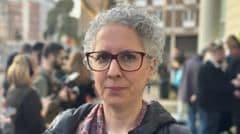
Rivka Gottlieb was among the final witnesses to speak. She described her father, Michael, as a vibrant 73-year-old who worked part-time at a golf shop and volunteered teaching children at his local synagogue. Today, she says she remains haunted by one unbearable truth: he died without anyone by his side.
A Family Torn Apart by the Pandemic
In March 2020, just as the United Kingdom entered its first national lockdown, both Michael and his wife Mili were admitted to the Royal Free Hospital in north London, each placed on separate wards after presenting with Covid symptoms.
"We were just expecting him to be given a bit of oxygen and then he'd be sent home," Rivka recalled.
Instead, Michael's condition rapidly worsened. His cough became so severe that he could no longer speak, and he resorted to sending a WhatsApp message to his family to inform them he was being placed on a ventilator. Two weeks later, doctors delivered the devastating news that he would not recover. The family was told life support would be withdrawn.
"It was a dark and terrifying time," Rivka said. "I feared the worst every time the phone rang."
Mili was discharged after one week but has never fully recovered. She now rarely leaves her home, suffering from long-term effects including breathlessness, chronic confusion, and persistent stomach pain.
Three Years of Testimony: The Scope of the Covid Inquiry
The final week of hearings included more than eight hours of deeply emotional testimony from bereaved relatives. Since public hearings commenced in June 2023, the inquiry has gathered oral evidence from 381 witnesses across London, Edinburgh, Cardiff, and Belfast, while reviewing an extraordinary 600,000 documents — ranging from WhatsApp messages to personal diary entries.
The inquiry examined testimony not only from prime ministers, senior government officials, and leading scientists, but also from frontline workers including hospital porters, cleaners, care workers, and nurses who lived through the crisis firsthand.
In total, 42 bereaved relatives have given evidence since the hearings began, with 12 chosen to testify during the final two days alone.
The Staggering Human and Financial Cost
More than 227,000 people in the UK died with Covid listed as a cause on their death certificate between March 2020 and May 2023, when the World Health Organization officially declared an end to the global health emergency.
The inquiry itself has become one of the most expensive in British history. Costs have climbed to £204 million, with the government spending an additional £111 million on its own legal representation and staffing.
The final phase of hearings this winter focused on the pandemic's broader societal impact — including the closure of sporting venues, cultural institutions, and religious facilities, as well as the treatment of vulnerable populations and the widespread deterioration of mental health across the UK.
'The Doors Shut and That Was It'
Time and again, families described the anguish of being separated from dying loved ones due to strict social distancing measures — a wound that for many has never fully healed.
Glen Grundle from Coleraine in Northern Ireland described watching his 73-year-old mother, Milda, leave in an ambulance in April 2020. He never saw her again.
"The doors shut and that was it," he said. "I have no closure and no peace over it."
Other families spoke of the immense frustration of being unable to obtain clear information from hospitals and care homes. Many said they felt shut out — unable to ask questions or receive honest updates about their relatives' deteriorating conditions.
Funerals Without Comfort, Grief Without Community
Pandemic restrictions also fundamentally altered the way people were able to mourn. Funeral attendance was capped at various points, and social distancing rules prevented relatives from offering or receiving physical comfort during their darkest moments.
Only nine people — including the rabbi — were permitted to attend Michael Gottlieb's funeral in April 2020. The remainder of his family and friends were forced to watch memorial prayers through a video link. Rivka was unable to embrace her grieving mother or participate in the traditional Jewish ritual of throwing earth onto the coffin.
"I remember how unreal it all felt, and that we were still in a state of shock," she said. "My mother was completely isolated, and the impact of her grief has been profound, complex and far-reaching."
Families from Northern Ireland and Scotland recounted being unable to hold traditional wakes. Others described returning home alone after funerals to empty, silent houses.
Sharon Boswell, whose husband George died from Covid in February 2021 at just 52 years old, captured the weight of that isolation with quiet devastation.
"I remember sitting on the sofa, the TV was on, but no one was home with me," she said. "I thought: I'm sitting here by myself. I've just had a funeral for my husband. I felt very isolated, I felt alone, I felt unhappy — just everything you possibly could feel."
A Nation Still Processing Its Grief
As the Covid inquiry formally concludes its public hearing stage, the testimony of these families serves as a sobering reminder that behind every statistic lies a deeply personal story of loss, longing, and the enduring need for answers. The inquiry's findings and recommendations are expected to shape how the UK prepares for — and responds to — future public health emergencies.