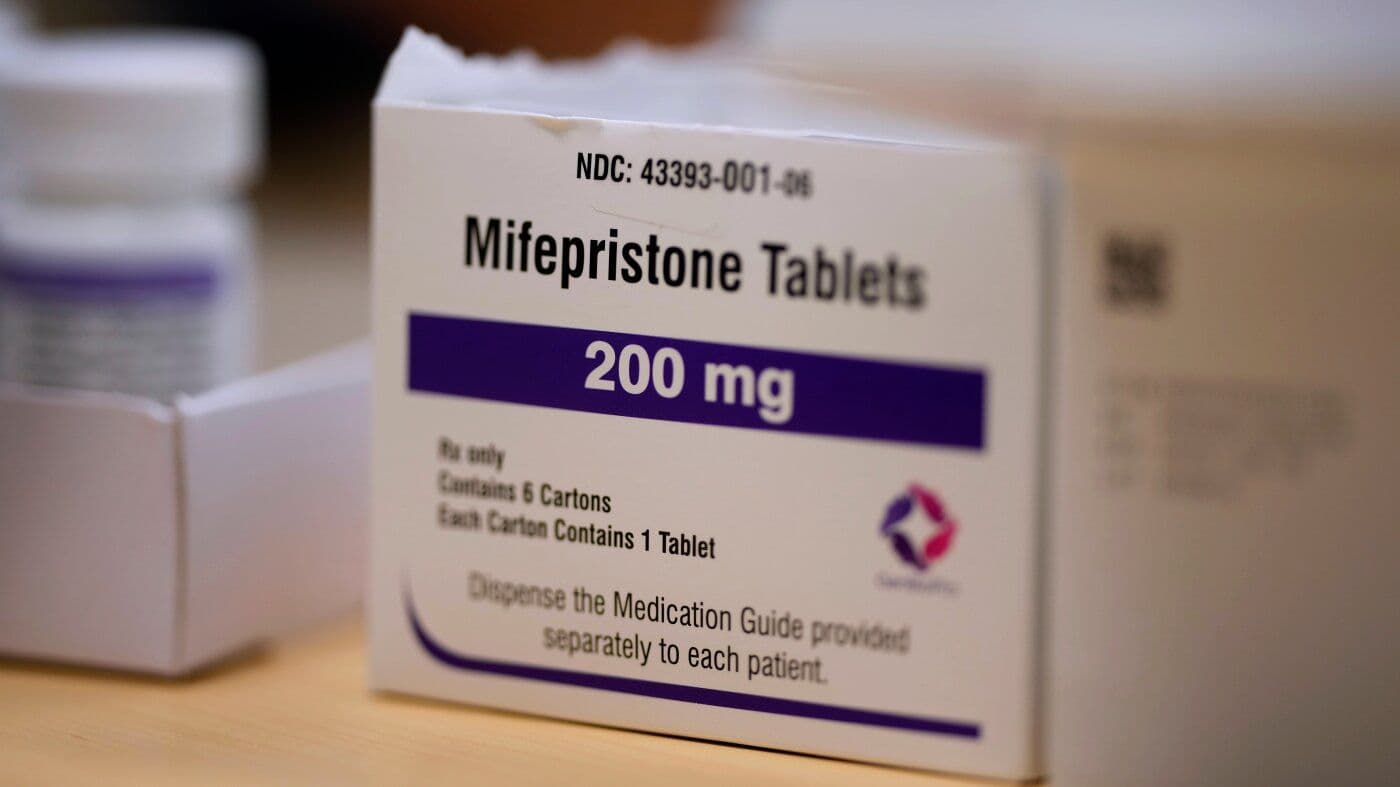
Federal Appeals Court Blocks Mifepristone Mailing, Threatening Abortion Access Nationwide
A federal appeals court has ordered that mifepristone be dispensed only in person, cutting off mail and pharmacy access to the widely used abortion pill across all 50 states.

Federal Court Order Cuts Off Mail Access to Abortion Pill
A three-judge panel from the New Orleans-based 5th U.S. Circuit Court of Appeals has issued a sweeping ruling that severely limits how Americans can obtain mifepristone, one of the most widely used abortion medications in the country. Under the new order, the drug may only be dispensed through in-person clinic visits, effectively shutting down mail-order and pharmacy pickup options nationwide.
Drug Manufacturers Seek Emergency Relief from Supreme Court
In direct response to the ruling, both Danco Laboratories and GenBioPro — the two pharmaceutical companies that manufacture mifepristone — have filed emergency applications with the U.S. Supreme Court. The companies are requesting that the high court intervene to preserve telemedicine access to the pill while the broader legal battle continues.
GenBioPro's emergency filing warned that the appellate court's decision has created widespread regulatory confusion. The application stated that patients who had planned to pick up a mifepristone prescription at a local pharmacy may now be unable to do so, regardless of which state they reside in.
Why This Ruling Carries Such Significant Weight
Since the Supreme Court's landmark 2022 decision overturning Roe v. Wade, mail-order abortion pill prescriptions have emerged as one of the primary ways that abortion care is delivered across the United States — including in states where abortion is otherwise banned. Stripping away that access represents a major shift in how reproductive healthcare is provided.
The appeals court's written opinion referenced Louisiana's abortion ban directly, stating that federal regulatory actions enabling mifepristone access effectively cancel the state's prohibition on medication abortions and conflict with its declared policy that life begins at conception.
FDA Under Scrutiny Amid Ongoing Safety Review
Federal drug regulators have historically been afforded significant deference by the courts when it comes to evaluating the safety and appropriate use of medications. However, FDA officials under President Donald Trump have indicated that the agency is now conducting a fresh review of mifepristone's safety at the president's direction. The appeals court noted that the FDA could not provide a timeline for when that review would be completed and acknowledged that data collection is still ongoing.
The review was prompted in part by a court filing from Louisiana's attorney general and a woman who claims she was coerced into taking abortion pills. Both parties requested that the FDA roll back its regulations to an earlier era when mifepristone could only be prescribed and administered in person.
Impact on Vulnerable Populations
Civil liberties advocates have warned that the ruling will disproportionately harm some of the most vulnerable groups in American society. Julia Kaye, an attorney with the ACLU, emphasized that restricting telemedicine access hits hardest in rural communities, among people with low incomes, individuals living with disabilities, survivors of domestic violence, and communities of color.
"This is going to affect patients' access to abortion and miscarriage care in every state in the nation," Kaye said.
Background on Mifepristone and Its Regulatory History
Mifepristone was originally approved by the FDA in 2000 as a safe and effective option for terminating early pregnancies. It is most commonly used in conjunction with a second medication, misoprostol — a drug that has been available for decades and is also prescribed for gastric ulcers. The combination regimen is the preferred protocol because it typically results in less cramping and bleeding than misoprostol used alone.
When the FDA first approved mifepristone over two decades ago, it imposed tight restrictions: only specially certified physicians could prescribe it, and patients were required to receive it during an in-person appointment. Those requirements were relaxed during the COVID-19 pandemic, with officials under President Joe Biden citing extensive monitoring data and dozens of research studies involving thousands of women showing the drug could be used safely without direct medical supervision.
The Supreme Court's Prior Stance
The conservative-majority Supreme Court upheld abortion restrictions in 2022 by overturning Roe v. Wade, but two years later, in 2024, unanimously preserved access to mifepristone in a separate case. That ruling, however, did not address the underlying legal questions about the pill's regulation — instead, the Court dismissed the case on the grounds that the anti-abortion physicians who brought the lawsuit lacked legal standing to do so.
The latest appellate court ruling reopens that door, setting the stage for another potential showdown before the nation's highest court.