FDA-Approved Drug Unlocks Immunotherapy's Potential Against Rare Liver Cancer
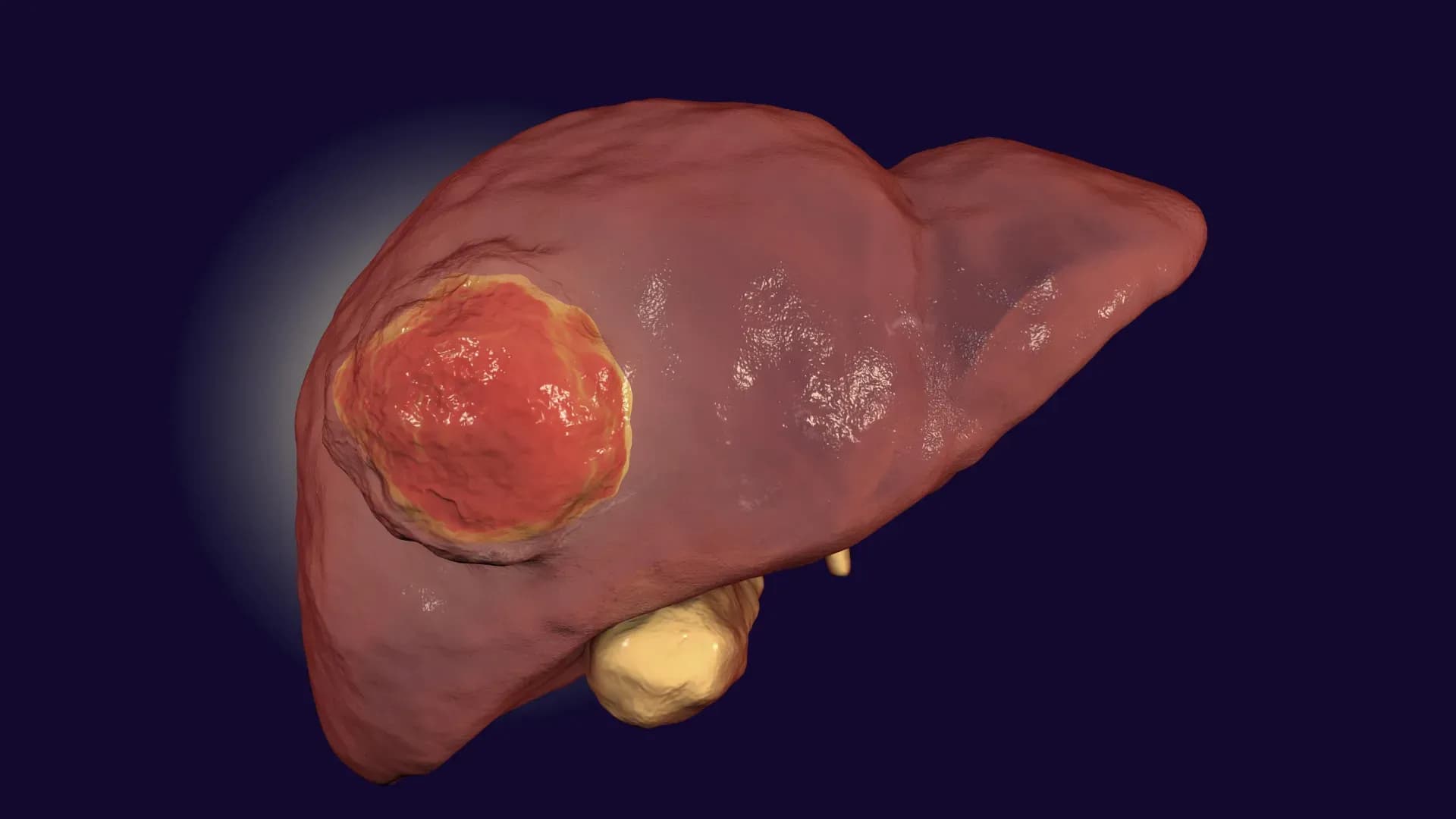
Scientists have discovered why a rare liver cancer resists immunotherapy — and found an existing FDA-approved drug that may finally break through its defenses.
Breakthrough Discovery Offers Hope for a Deadly Rare Cancer
For years, fibrolamellar carcinoma — a rare and aggressive form of liver cancer — has stubbornly resisted immunotherapy, one of modern medicine's most powerful cancer-fighting tools. Now, a team of researchers believes they have uncovered exactly why, and more importantly, how to fix it.
Their answer comes in the form of a drug that already exists on pharmacy shelves, approved by the U.S. Food and Drug Administration for an entirely different condition.
What Is Fibrolamellar Carcinoma?
Filrolamellar carcinoma accounts for roughly 2% of all liver cancer diagnoses. Unlike many cancers that tend to strike older adults, this disease disproportionately affects children and young adults. There is currently no cure, and because it is frequently diagnosed only after spreading to other areas of the body, patients often face severely limited treatment options and discouraging survival rates.
Why Immunotherapy Fails Against This Cancer
Immunotherapy works by empowering the body's own immune system — specifically T cells — to identify and destroy cancer cells. In many cancers, this approach has delivered remarkable results. But fibrolamellar carcinoma has proven uniquely capable of outsmarting it.
The new study, published in the journal Gastroenterology, reveals the mechanism behind this resistance. Researchers discovered that fibrolamellar tumors actively manipulate their surrounding environment to prevent T cells from ever reaching the cancer.
Rather than infiltrating the tumor and attacking malignant cells, T cells are lured away and become trapped inside nearby fibrous tissue bands that run throughout the tumor — a phenomenon scientists call T-cell exclusion. With the immune system effectively neutralized, the cancer is free to grow unchecked.
The Role of Stellate Cells
The fibrous bands that give fibrolamellar carcinoma its name are produced by stellate cells — ordinary liver cells that the cancer transforms into something more sinister. Once altered, these cells secrete fibrous proteins that construct the characteristic bands within the tumor structure.
Using cutting-edge single-cell analysis technology, the research team found that these hijacked stellate cells also broadcast chemical signals to nearby T cells — signals that steer the immune cells away from the cancer and directly into the fibrous tissue traps.
Advanced Technology Illuminates the Tumor's Inner World
To unravel these complex interactions, researchers employed a sophisticated technique called single-nucleus transcriptomics. This approach isolates the nucleus of individual cells within tumor tissue and maps out which genes are active, providing an extraordinarily detailed picture of what is happening inside the tumor microenvironment.
"It wasn't until we were able to use this technology that the picture of the tumor microenvironment began to clear up for us," said Andreas Stephanou, a co-first author of the study and a Cornell graduate student.
This level of cellular insight had not previously been possible, and it proved essential to identifying both the problem and its potential solution.
AMD3100: An Existing Drug with New Promise
Once researchers understood how T cells were being trapped, they asked a logical next question: could blocking those chemical signals free the immune cells to do their job?
To test this, researchers at the University of Washington treated slices of actual patient tumor tissue with AMD3100, an FDA-approved drug currently used for a separate medical condition. The results were striking. The drug successfully redirected T cells back into the core of the tumors.
When AMD3100 was used in combination with immune checkpoint inhibition — a standard form of immunotherapy — T-cell activation increased substantially, leading to a significant rise in tumor cell death.
"Our results provide among the first indications of why immune checkpoint inhibition hasn't worked well in these patients," said Praveen Sethupathy, professor of physiological genomics at Cornell University and co-senior author of the study. "Even if this particular drug isn't the end-all-be-all, it teaches us that this T-cell exclusion phenomenon is an important one to tackle."
The Path Toward Clinical Trials
The research team is now actively seeking liver cancer specialists willing to partner on clinical trials that would test this treatment strategy in human patients.
A significant advantage in moving forward is that AMD3100 already carries FDA approval, which can help streamline the regulatory process and potentially accelerate the timeline for bringing a new treatment option to patients who currently have very few.
"A compelling feature of this work is that AMD3100 is already FDA-approved, which can reduce risks and potentially speed up timelines for clinical trials in fibrolamellar carcinoma," Sethupathy noted.
The study was co-led by Dr. Venu Pillarisetty, a surgical oncologist at the University of Washington, and received support from the Fibrolamellar Cancer Foundation.