Fake Pills, Real Results: How Placebos Boosted Memory in Older Adults
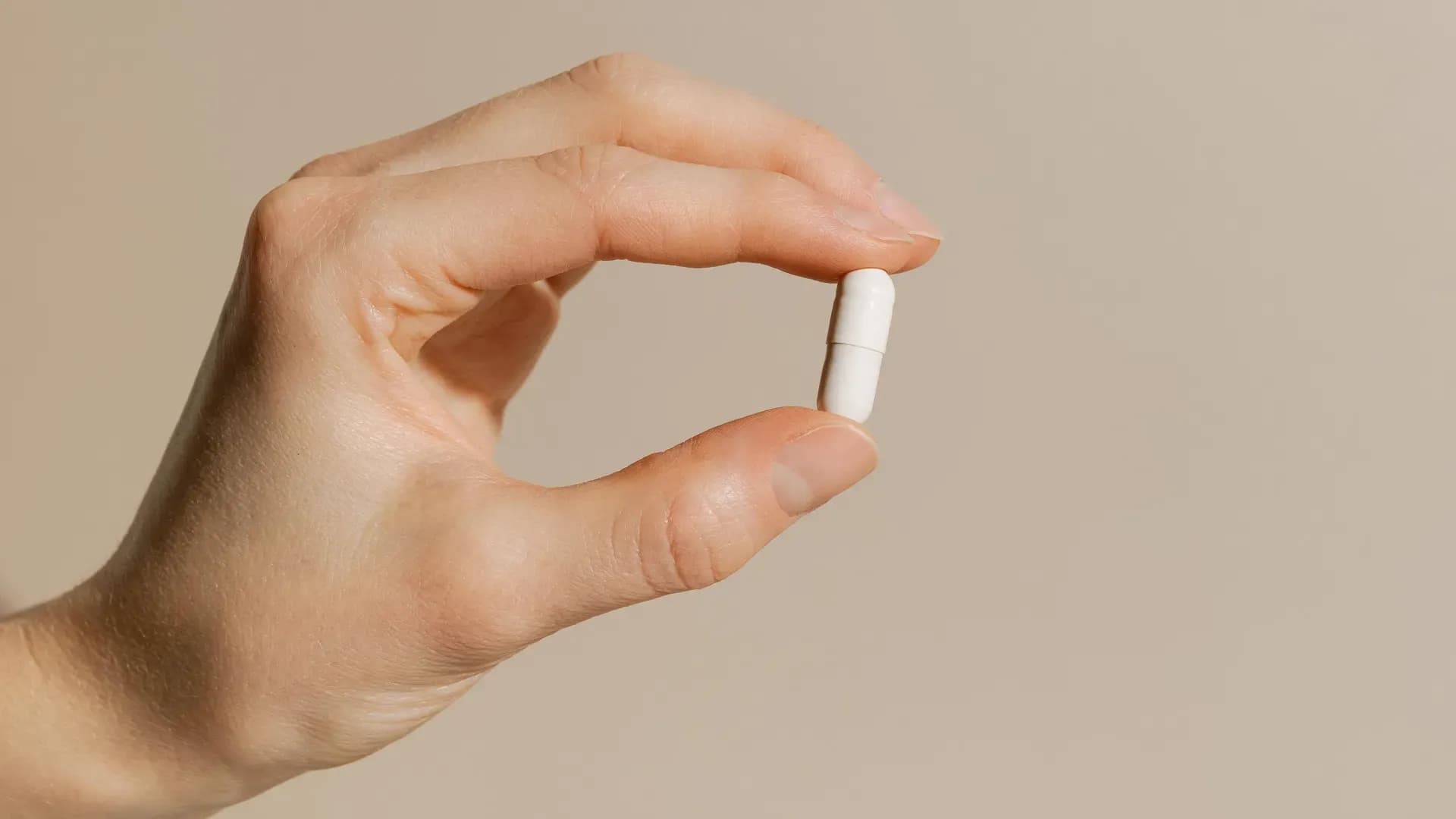
Older adults saw real improvements in memory and physical performance after taking placebo pills — even when they knew the pills were completely fake.

Fake Pills, Real Results: How Placebos Boosted Memory in Older Adults
What if a pill that contains absolutely nothing could still sharpen your memory, reduce stress, and improve physical performance? That is precisely what a new study from Italian researchers has found — and the results are turning heads in the scientific community.
Healthy older adults who took placebo supplements for just three weeks showed measurable gains in cognitive ability, physical function, and stress management. Perhaps most remarkably, the benefits were strongest among participants who were fully aware the pills had no active ingredients whatsoever.
The Study Behind the Discovery
Researchers at the Università Cattolica in Milan conducted the investigation, which was published in the International Journal of Clinical and Health Psychology. The team — led by Diletta Barbiani, Alessandro Antonietti, and Francesco Pagnini — set out to determine whether placebo treatments could meaningfully influence the mental and physical capabilities that tend to decline as people grow older.
It was the first study of its kind to explore this question in a healthy aging population, filling a notable gap in placebo research.
"The study is part of an established line of research in which we analyze the role of the mind in aging processes, which is very important," said Professor Francesco Pagnini, Full Professor of Clinical Psychology at the Università Cattolica.
How the Research Was Conducted
The researchers enrolled 90 healthy older adults and divided them at random into three distinct groups:
- Control group — received no treatment during the study period
- Deceptive placebo group — received inactive pills but were told the pills contained active ingredients designed to enhance well-being and physical function
- Open-label placebo group — received the same inactive pills but were told upfront that the pills were placebos, while also being informed that placebos can still trigger genuine mind-body responses
Before and after the three-week trial, every participant completed a series of questionnaires covering perceived stress, psychological well-being, fatigue, optimism, self-efficacy, and attitudes toward aging. They also underwent objective assessments measuring short-term memory, selective attention, and physical performance.
Surprising Improvements Across the Board
The results were striking across multiple categories.
Memory and Cognitive Function
Participants in the open-label placebo group — those who knowingly took the fake pills — demonstrated significant improvements in short-term memory compared to those who received no treatment. Cognitive performance scores rose by between 6.9% and 21.5% in this group, depending on the specific test administered. Meanwhile, participants in the deceptive placebo group saw cognitive scores increase by 12.6% to 14.6%.
Physical Performance
Physical ability also improved across both placebo groups. The deceptive placebo group recorded a 7% gain in physical performance, while the open-label group achieved an even higher improvement of 9.2%.
Stress and Drowsiness
Stress levels fell most noticeably among participants who knew they were taking a placebo, outperforming both the deceptive placebo group and the control group on this measure. Researchers also observed a reduction in drowsiness across placebo participants.
Why These Results Matter
Professor Pagnini emphasized the clinical significance of these findings, noting that the magnitude of improvement is "comparable to those seen in some experimental studies on physical activity regarding physical performance and cognitive training, especially with regard to memory."
The fact that open-label placebos performed as well as — and in several cases better than — deceptive placebos carries important ethical implications. It means that patients do not need to be misled for placebo treatments to work, making this approach both scientifically credible and ethically sound.
According to the research team, these findings support growing evidence that the mind plays a far more powerful role in the aging process than previously understood. A person's thoughts, emotional state, and self-perception appear capable of influencing not just psychological well-being, but also measurable physical and cognitive outcomes.
A New Avenue for Healthy Aging
The researchers suggest that open-label placebos could represent a promising, low-risk strategy for supporting healthy aging in older adults living independently in their communities. With no active compounds involved, the approach carries minimal risk while offering potentially meaningful benefits.
As scientists continue to unravel the complex relationship between the mind and the body, this study adds compelling evidence that harnessing that connection — even through something as simple as an inert pill — may be a legitimate tool in promoting well-being well into old age.