FAA Orders Blue Origin to Investigate New Glenn Upper Stage Failure
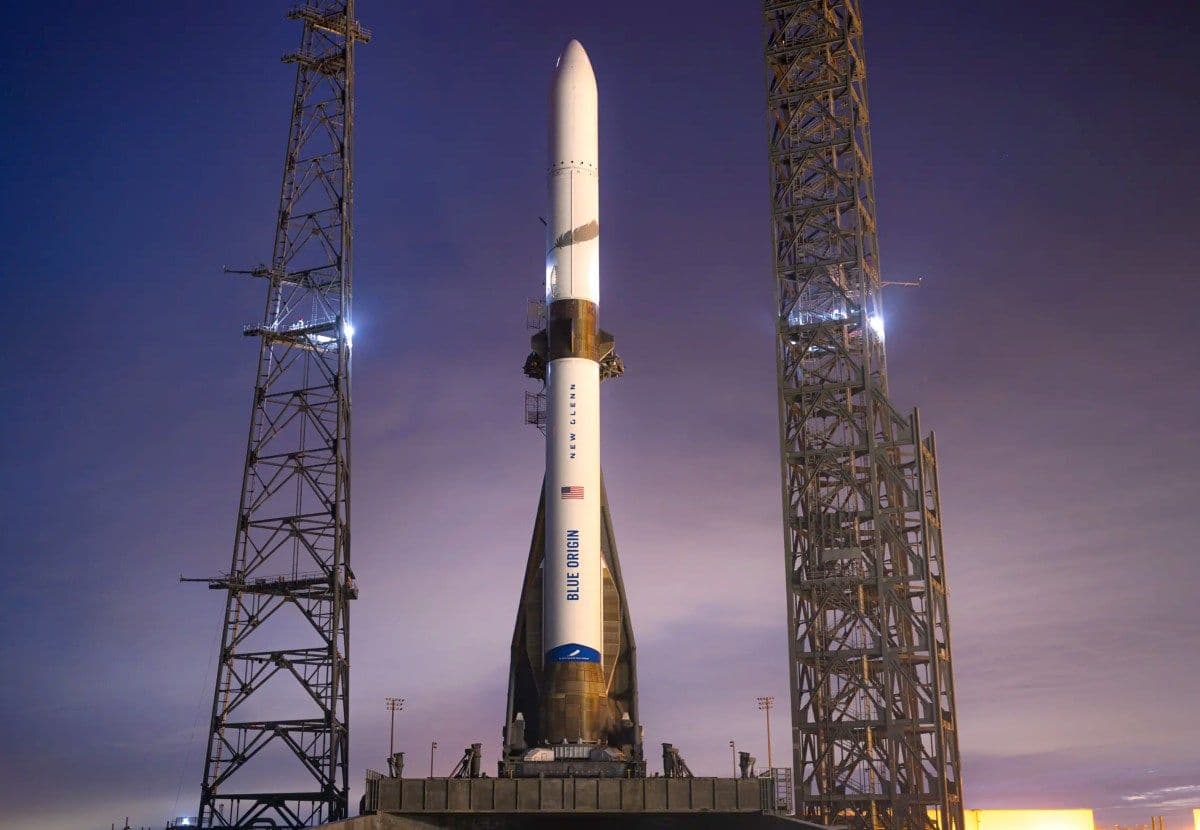
The FAA has grounded Blue Origin's New Glenn rocket pending a full investigation into an upper stage failure that left a customer satellite stranded in the wrong orbit.
FAA Grounds New Glenn Rocket After Upper Stage Mishap
Blue Origin's ambitious launch schedule has hit a significant roadblock after the Federal Aviation Administration ordered the company to conduct a formal investigation into the apparent failure of the upper stage of its New Glenn rocket. Until that investigation is completed, the rocket will remain grounded — a setback that could seriously impact the company's plan to execute up to 12 additional New Glenn missions in 2025.
What Went Wrong During the Third Launch?
The incident unfolded during New Glenn's third flight over the weekend. The mission started on a high note — Blue Origin successfully reused a New Glenn booster for the very first time, recovering it on an ocean-based drone ship after launch. That milestone marked a major step forward for the company, placing it alongside SpaceX as one of the only players in the industry capable of rocket reusability.
However, the mission's primary objective told a different story. New Glenn was tasked with delivering a communications satellite into orbit for paying customer AST SpaceMobile. While the rocket's second stage cleanly separated from the booster, something went wrong shortly afterward. According to AST SpaceMobile, the satellite was placed in an orbit significantly lower than intended — so far off target that the company has written off the satellite entirely, allowing it to re-enter and burn up in Earth's atmosphere.
Engine Failure Identified as Likely Cause
In a statement issued Monday, Blue Origin CEO Dave Limp acknowledged the problem, stating the company believes one of the upper stage engines "didn't produce sufficient thrust to reach our target orbit." The admission points to a propulsion issue that will need to be thoroughly examined before the rocket can fly again.
Financial and Operational Impact on AST SpaceMobile
AST SpaceMobile confirmed it carries insurance coverage for the lost satellite, meaning the financial blow will be partially absorbed. The company also noted that several new satellites are nearing completion and could be ready for launch within weeks. AST SpaceMobile additionally holds contracts with other launch service providers, offering some flexibility going forward. Despite these assurances, the company's stock dropped more than 10% on Monday morning before staging a partial recovery.
Broader Consequences for Blue Origin
The upper stage failure carries implications well beyond the loss of a single commercial payload. Blue Origin is currently developing a lunar lander and is positioning itself as a key partner in NASA and the Trump administration's efforts to return astronauts to the Moon. A prolonged grounding of New Glenn could slow progress on those ambitions considerably.
Additionally, the company is in the process of seeking certification from the U.S. Space Force to carry national security payloads — a lucrative and strategically vital segment of the launch market. The Space Force had not issued a comment at the time of reporting.
A Critical Moment for Blue Origin's Competitive Standing
Despite the setback, the successful booster recovery demonstrated that Blue Origin is making genuine strides toward reusability — a capability that has been central to SpaceX's dominance in commercial spaceflight. How quickly and effectively Blue Origin resolves the upper stage issue will determine whether the company can maintain momentum in an increasingly competitive industry.
