Estrogen Patch Shortages Leave Menopause Patients Scrambling for Prescriptions
Surging demand for hormone therapy following FDA label changes has triggered supply disruptions, leaving many women struggling to fill estrogen patch prescriptions.

The Rush for Hormone Therapy Is Creating Real Supply Problems
For many women navigating menopause, hormone therapy has become a lifeline — but getting their hands on it is increasingly difficult. Following a landmark decision by the Food and Drug Administration to remove long-standing safety warnings from hormone replacement products, demand has surged dramatically, and pharmacy shelves simply aren't keeping up.
Women across the country are reporting delays, stockouts, and frustrating back-and-forth trips to the pharmacy — all in pursuit of estrogen patches that have become harder to source by the month.
One Woman's Monthly Battle at the Pharmacy
Jennifer Skoog Mondesir knows this struggle firsthand. In her late 40s and navigating perimenopause, the New Jersey-based personal trainer depends on transdermal estrogen patches to manage her symptoms — particularly the persistent fatigue that was affecting her ability to work.
"I have to show up to my clients with energy," she explains. Before starting hormone therapy, she found herself reaching for a second or third cup of coffee just to get through the day — something entirely out of character for her.
But filling her prescription turned into its own exhausting ordeal. "I went to CVS. I can't tell you the amount of times I've been there and they're like, 'We're out of patches,'" she recalls. Each month became what she describes as a "mad scramble" to secure her medication.
Mondesir eventually switched to an online pharmacy, which resolved the disruptions. "My energy level is much better," she says, though she hopes the broader supply situation stabilizes for everyone who depends on these medications.
Why Demand for Hormone Therapy Has Skyrocketed
The surge in demand doesn't exist in a vacuum. It's the result of a significant shift in both medical opinion and regulatory guidance over recent years.
For decades, hormone therapy carried a heavy stigma. In the early 2000s, findings from the large-scale Women's Health Initiative study prompted the FDA to place a black box warning — its most serious safety designation — on estrogen products. The study linked hormone therapy to elevated risks of heart attacks, strokes, and pulmonary embolism, causing prescriptions to plummet almost overnight.
However, evolving research and a deeper understanding of how hormone delivery methods affect outcomes gradually began to change the conversation. Last year, the FDA officially removed that black box warning, citing updated safety evidence, newer delivery mechanisms, and alternative product formulations.
"Over the past four to five years, demand has picked up as clinicians have familiarized themselves with current research and patients have become more interested," says Dr. Nora Lansen, Chief Medical Officer of Elektra Health.
The Science Behind Transdermal Estrogen
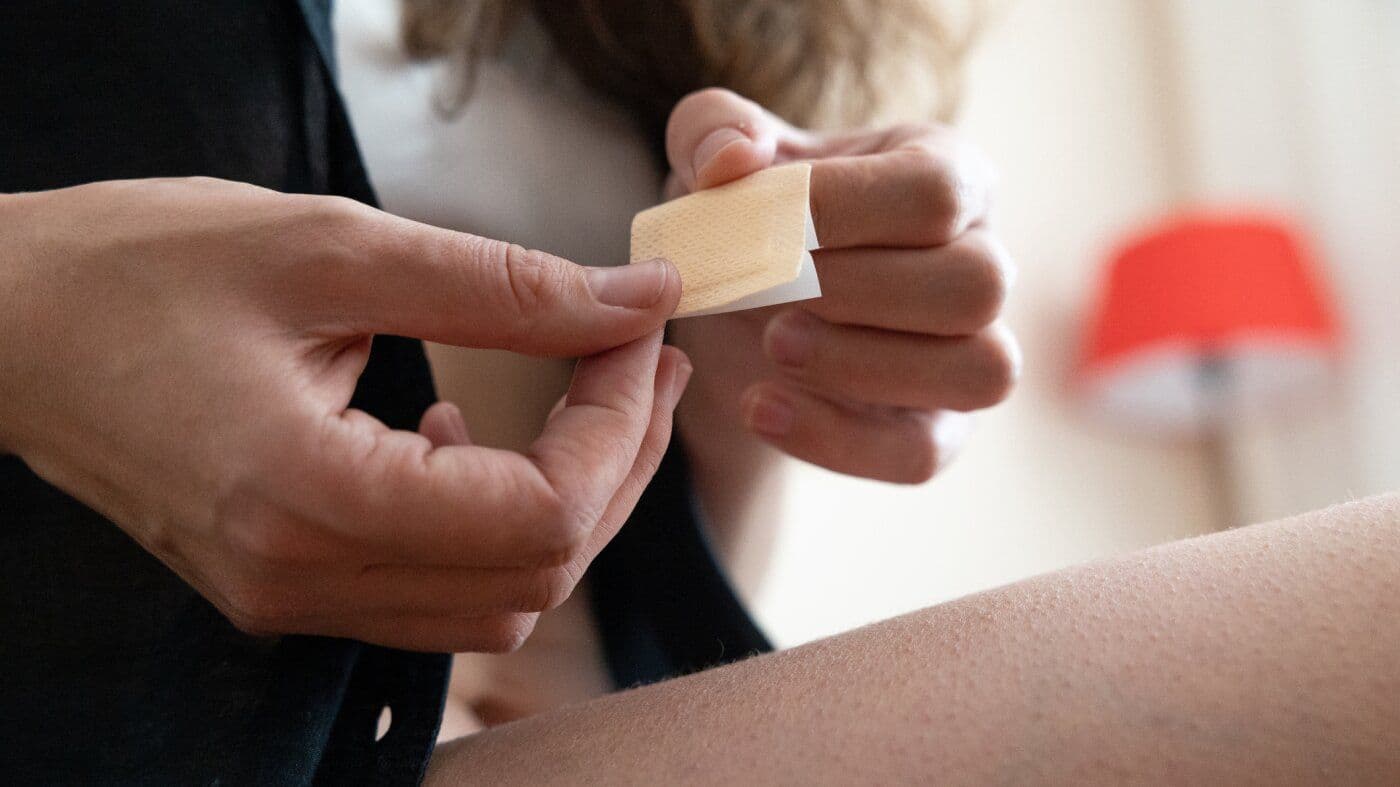
A critical part of this story is how estrogen is now being delivered. The women in the original Women's Health Initiative study primarily used oral estrogen pills. Today, many patients use patches or topical gels that deliver the hormone directly through the skin — bypassing the liver entirely in a process known as transdermal delivery.
This distinction carries meaningful clinical weight. According to Dr. Lansen, transdermal estradiol carries a significantly lower risk of blood clots compared to oral formulations.
"Without passing through the liver and its metabolism, this transdermal version of estradiol is really a much safer option. And that's why there's been such demand," she explains.
This shift in delivery method has not only made hormone therapy safer for more women but has also fueled renewed confidence among both clinicians and patients — driving prescription volumes higher than manufacturers appear to have anticipated.
Manufacturers Struggle to Keep Pace
The supply chain is clearly feeling the pressure. CVS confirmed to media outlets that multiple manufacturers have been unable to provide sufficient quantities of several estrogen products. The American Society of Health-System Pharmacists has flagged numerous estrogen-based products as experiencing current or recent shortages, though manufacturers have not publicly explained the root cause of these gaps.
Amneal Pharmaceuticals, one of the key producers of estradiol patches, acknowledged the situation directly, stating that demand increased significantly following the FDA's removal of boxed warnings. The company noted it is fulfilling existing contracts and actively working to scale up production to meet growing need.
What This Means for Women Managing Menopause
For patients like Mondesir, the supply disruptions are more than a minor inconvenience — they represent a genuine health concern. Menopause symptoms including fatigue, mood changes, and other hormonal effects can significantly impact quality of life and daily functioning.
As the medical community continues to embrace hormone therapy as a safe and effective option for appropriate candidates, the pressure on the supply chain is unlikely to ease quickly. Women and their healthcare providers may need to explore alternative pharmacies, different formulations, or online prescription services to maintain consistent access.
The hope, shared by patients and providers alike, is that manufacturers will scale production fast enough to meet the moment — ensuring that women who need hormone therapy can actually get it.