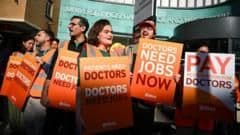
England's Resident Doctors Set for 16th Strike as Pay Deadlock Continues
Resident doctors in England will walk out for four days in June as the bitter pay dispute with the government shows no signs of resolution.

England's Resident Doctors Announce 16th Strike Amid Ongoing Pay Dispute
Resident doctors in England are preparing to stage yet another round of industrial action in June, marking the 16th walkout in a prolonged and bitter dispute over pay. The British Medical Association (BMA) confirmed that its resident doctor members will strike for four days, beginning at 07:00 BST on Monday, 15 June, and concluding at 06:59 on Friday, 19 June.
Strike Follows Breakdown in Talks With New Health Secretary
The decision to strike was announced in the wake of a Wednesday meeting between the BMA and newly appointed Health Secretary James Murray, who stepped into the role earlier this month following the departure of Wes Streeting. According to reports, Murray made his position clear during those discussions — the government would not be revisiting the question of pay, describing the union's financial demands as both "unrealistic and unaffordable."
The announcement marks a swift deterioration in relations with the new Health Secretary, with the BMA expressing disappointment that a change in leadership has failed to bring any fresh momentum to the negotiations.
What Doctors Are Currently Earning
Over the past four years, resident doctors in England have received cumulative pay increases totalling 33%, which includes a 3.5% rise this year alone. As a result, entry-level salaries now exceed £40,000, while the most experienced resident doctors can earn up to £76,500 in basic pay. Additional earnings from unsociable hours and overtime can push these figures considerably higher.
Despite these increases, the BMA maintains that when adjusted for inflation, doctors are still earning approximately 20% less than they were back in 2008 — a key point of contention at the heart of this dispute.
BMA Accuses Government of Unwillingness to Engage
Dr Jack Fletcher, the BMA's resident doctor leader, expressed frustration at what he described as a familiar stalemate. "We had hoped that a change in leadership at the Department of Health and Social Care would lead to a change in approach," he said. "Sadly, we have run up against the same unwillingness to move we encountered under Mr Streeting."
Dr Fletcher added that the union had been prepared to allow Murray time to settle into his new role before resuming the work left unfinished by his predecessor. "He had a genuine opportunity to break this logjam with fresh energy and ambition. He has not taken it," Dr Fletcher said, criticising the government for offering "vagueness on new jobs and no further money on the table."
Previous Offer Rejected, Followed by April Strikes
In March, the government put forward a package that included additional training positions, accelerated career progression pathways, and reimbursement for out-of-pocket professional expenses such as exam fees. The BMA rejected this offer outright, and resident doctors subsequently carried out a six-day strike in April.
Government Stands Firm on Pay Position
Health Secretary Murray pushed back strongly against the BMA's decision, stating he was "disappointed" that the union had chosen to pursue strike action rather than continue meaningful dialogue. "After a 33.4% pay rise for resident doctors over the last four years — the highest anywhere across the public sector — the BMA's demands for further substantial pay increases this year are unrealistic, unaffordable and unsustainable," he said.
Healthcare Leaders Warn of Patient Impact
Matthew Hopkins, representing The NHS Alliance — a body that speaks for health managers across the country — condemned the planned walkout as "rash and wholly irresponsible." He warned that patients would ultimately bear the consequences of the action, and that the strike risked undermining significant recent progress in reducing waiting lists and improving NHS productivity.
With both sides entrenched in their positions and no fresh talks scheduled, the dispute shows little sign of reaching a swift resolution, leaving thousands of patients facing further disruption to their care.

