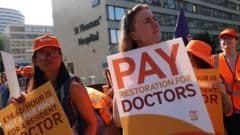
England's Resident Doctors Call Off Strikes After Accepting Landmark Pay Deal
A three-year standoff between resident doctors and the UK government has finally ended after more than half of eligible BMA members voted to accept a new pay and conditions package.

England's Resident Doctors End Industrial Action Following Pay Agreement
After three years of bitter dispute and multiple rounds of industrial action, resident doctors in England have formally accepted a new pay deal offered by the government, bringing an end to one of the most prolonged periods of NHS strike action in recent memory.
What the Deal Includes
The agreed package covers several key areas that doctors had long pushed for, including improved pay, faster career progression, and financial relief on out-of-pocket professional costs.
Pay Increases
Under the terms of the settlement, resident doctors will receive a 3.5% pay rise this year, in line with recommendations from an independent review body. Pay will be backdated to 1 April 2026, amounting to an average increase of 4.9% across the broader package. By April 2027, that figure is expected to rise to an average of 6.6%, with further increases to follow thereafter.
As a result of the deal, starting salaries will exceed £40,000, while the most experienced resident doctors will receive basic pay of up to £76,500. Additional earnings for unsociable hours and overtime can push annual income significantly higher.
Training and Professional Benefits
Beyond pay, the government has committed to creating 4,500 additional training places for newly qualified doctors. Professional exam fees, which have long been a source of financial strain for doctors in training, will also be covered going forward.
How the Vote Unfolded
The deal was put to a referendum of eligible British Medical Association (BMA) members, with 53% voting in favour. Turnout stood at 57%, with a total of 32,932 doctors casting their votes.
Reactions From Both Sides
Dr Jack Fletcher, Chair of the BMA's Resident Doctors Committee, expressed relief at the outcome while making clear his frustration at how long it had taken to reach this point.
"These strikes did not need to happen," he said. "We spent far too long at loggerheads with the government when a solution in everyone's interest was waiting for us — more jobs for doctors, better pay for doctors, and a better-staffed NHS secured for patients well into the future."
Health and Social Care Secretary James Murray welcomed the resolution, stating that drawing a line under the disruption was a positive outcome for resident doctors, patients, and the NHS as a whole.
The Impact on Patients
The years of industrial action took a considerable toll on patient care across England, with hundreds of thousands of appointments cancelled as a direct result of strike activity. The end of the dispute is expected to allow the NHS to focus on rebuilding capacity and reducing waiting lists.
The Wider Picture Across the UK
The situation varies across the devolved nations:
- Wales: Resident doctors are currently working through pay and training disputes without resorting to strike action.
- Scotland: Doctors have already accepted the Scottish Government's pay offer.
- Northern Ireland: A 24-hour strike commenced at 07:00 BST on 29 June, with industrial action still ongoing.
Who Are Resident Doctors?
Formerly referred to as junior doctors, the title resident doctor was officially adopted in September 2024 to better reflect the level of skill and expertise these professionals bring to their roles.
Resident doctors are fully qualified medical graduates who have completed at least two years of post-foundation training. They represent nearly half of all doctors working in England, serving across a wide range of settings including A&E departments and GP surgeries. Many go on to specialise in specific areas of medicine or surgery as their careers progress.

