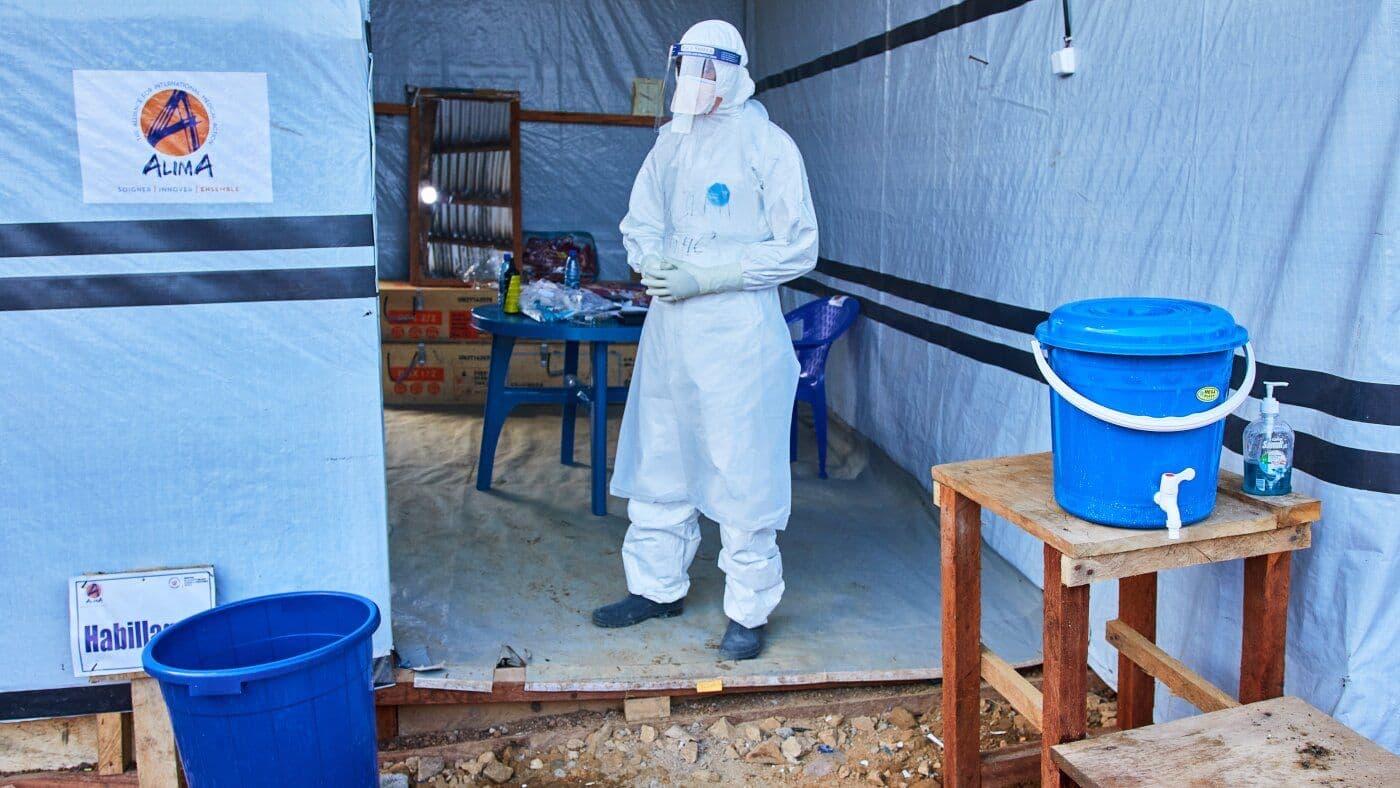
Ebola Outbreak in Eastern Congo Spirals Out of Control as Death Toll Surpasses 700
With 80% of new cases untraceable and over 700 dead, the Ebola outbreak in eastern Congo is overwhelming health officials as the crisis deepens.
Ebola Crisis in Eastern Congo Escalates Beyond Health Officials' Control
The Ebola outbreak ravaging eastern Congo has reached a deeply alarming threshold, with the World Health Organization confirming that four out of every five new infections are emerging from transmission chains that health authorities cannot identify or monitor. As the death toll climbs past 700, the outbreak continues to outrun every containment effort put in place.
Outbreak Growing Faster Than the Response Can Keep Up
Since Congo officially declared the outbreak on May 15, the situation has deteriorated at an unprecedented pace. The Africa Centres for Disease Control has described it as the fastest-growing Ebola outbreak ever recorded on the African continent. The virus responsible is the rare Bundibugyo strain, for which no approved vaccine or treatment currently exists.
As of this week, confirmed figures show at least 1,926 people have been infected across three provinces in Congo, with 702 confirmed deaths. Cases have also crossed into neighboring Uganda, raising fears of broader regional spread.
Deaths Occurring Outside the Health System
Chikwe Ihekweazu, the WHO's emergency chief, painted a sobering picture following his visit to Bunia, the capital of Ituri province and one of the areas hardest hit by the outbreak.
"Perhaps the most alarming finding is that many of the newly reported deaths are people who died in their communities without ever reaching a health facility and without receiving care," Ihekweazu said. "As of today, 80% of new cases are outside our contact lists and are coming to us from unknown chains of transmission."
When people die at home or in their communities rather than in medical facilities, it becomes nearly impossible to isolate the deceased, trace their contacts, or prevent further spread. This breakdown in the chain of detection is a significant driver of the outbreak's acceleration.
Treatment Infrastructure Expanding, But Not Fast Enough
Ihekweazu acknowledged measurable progress in building response capacity. Treatment facilities in Bunia now have close to 800 beds, and laboratory testing capacity has grown dramatically — from just one lab at the outbreak's start to 14 operational labs today. Despite these gains, he was candid about the shortfall.
"Despite our best efforts, we have not caught up in the race," he told reporters in Geneva. The outbreak, he added, "continues to outpace the response efforts."
Clinical trials for potential treatments launched last week, offering a glimmer of hope in what has otherwise been a grim progression of events.
Healthcare Workers Strike Amid Unpaid Wages
Adding to the crisis, dozens of healthcare workers at an Ebola treatment center in northeastern Congo walked off the job on Monday over unpaid salaries and bonuses. The one-day strike had immediate consequences, leaving patients without access to the facility.
"Just one day of strike action has already caused damage," the striking workers stated. "We hold the government solely responsible for any loss of life if the site closes after this ultimatum."
The workers agreed to return on Tuesday, conditional on receiving their overdue payments within 72 hours.
Multiple Obstacles Hampering Containment Efforts
Beyond the financial disputes, responders are contending with a series of compounding challenges. Active armed conflict in eastern Congo has made it dangerous to operate in certain areas. Community mistrust toward health workers and authorities has slowed outreach and cooperation. Attacks on health centers have disrupted operations, and a significant funding gap has constrained the overall response.
Adding an international dimension to the crisis, the U.S. Centers for Disease Control and Prevention confirmed on July 11 that an American citizen employed by a humanitarian organization in Congo had tested positive for the Ebola virus, though further details were not disclosed.
A Race Against Time
With the Bundibugyo strain continuing to spread across three Congolese provinces and into Uganda, health officials are under enormous pressure to close the gap between the virus and containment efforts. The path forward depends on expanding community engagement, securing adequate funding, protecting healthcare workers, and accelerating clinical trials — all while a rapidly moving outbreak tests the limits of the global health response.