Ebola Outbreak in DRC Claims 87 Lives as New Strain Without a Vaccine Spreads Rapidly
A deadly Ebola outbreak in the Democratic Republic of Congo has killed 87 people with no vaccine available. Cases have already crossed into Uganda.
Deadly Ebola Outbreak Grips the Democratic Republic of Congo
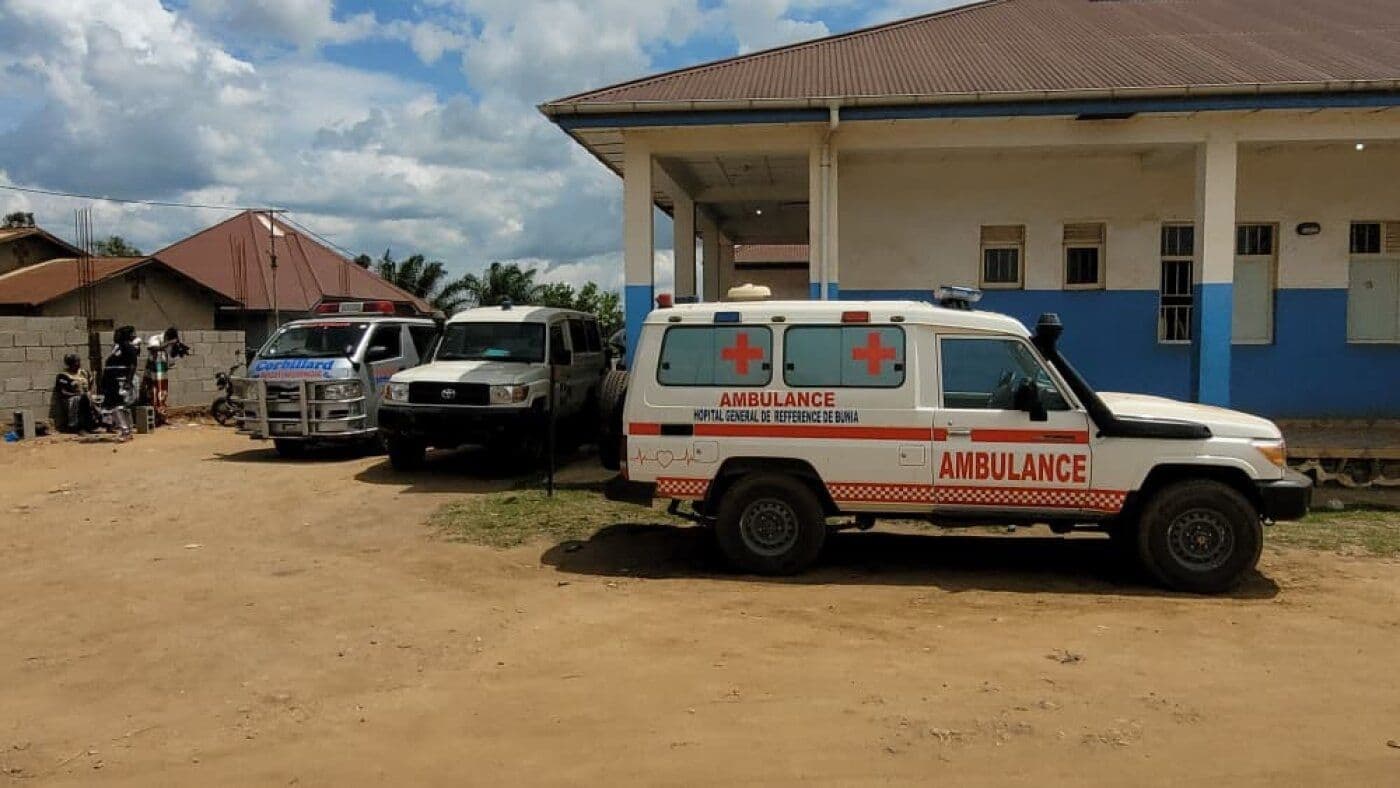
Health authorities are racing to contain a rapidly escalating Ebola outbreak in the Democratic Republic of Congo, where a strain of the virus for which no approved vaccine exists has already claimed 87 lives and infected hundreds more.
The outbreak is centered in the country's Ituri province, a region officials describe as deeply vulnerable and fragile. As of the latest reports, 336 suspected cases have been recorded, and the crisis has already extended beyond national borders, with one confirmed death in Uganda's capital city of Kampala.
How the Outbreak Unfolded
Congolese health officials formally confirmed the outbreak on Friday, according to the World Health Organization. Investigators believe the virus began circulating as far back as late April, based on an assessment by Dr. Jean Kaseya, Director General of the Africa Centres for Disease Control and Prevention, who addressed the public during a Saturday video press conference.
The majority of cases have been identified in two busy mining towns — Mongwalu and Rwampara — where high volumes of workers regularly move in and out of the area, creating conditions that make disease containment significantly more difficult.
The Strain in Question: Bundibugyo
The virus responsible for this outbreak belongs to the Bundibugyo strain of Ebola, a less common variant than the more widely studied Zaire strain. Because of its rarity, scientific understanding of Bundibugyo remains limited, and crucially, no approved vaccine currently exists to combat it.
There have been only two previous outbreaks of this particular strain recorded in history. Researchers are, however, studying an experimental vaccine candidate that has demonstrated roughly 50% efficacy in primate trials. Dr. Kaseya noted that its safety and effectiveness in human patients has not yet been evaluated.
Cross-Border Spread Raises Alarm
On May 14, a 59-year-old Congolese national died from Ebola at a hospital in Kampala, Uganda, after traveling there from the DRC by public transportation while already ill. The man had contact with an unknown number of individuals during his journey and time in the community before receiving hospital care.
Following his death, his body was transported back across the border into the DRC for burial — a development that further complicates contact tracing efforts. Dr. Kaseya expressed concern over whether individuals who came into contact with the man had access to or used adequate personal protective equipment (PPE), acknowledging that the region lacks domestic manufacturing capacity for such supplies.
The Challenge of Containment
Ebola spreads through direct contact with the blood or bodily fluids of an infected person, as well as through contaminated surfaces. Common symptoms include fever, muscle pain, general weakness, vomiting, and in more severe cases, bleeding.
Infectious disease experts recommend that healthcare workers treating Ebola patients use comprehensive protective gear, including head coverings, goggles or face shields, masks, gloves, full-length gowns, and rubber boots.
Dr. Craig Spencer, a public health professor at Brown University who personally contracted the Zaire strain of Ebola in 2014 while volunteering with Doctors Without Borders, warned on social media that the outbreak had likely been spreading well before it was officially recognized. He noted that delays in detection make it substantially harder to trace contacts and identify all active cases.
Africa CDC and Global Partners Mobilize
The African CDC has issued a formal statement confirming it is collaborating with international health organizations, nonprofit groups, and pharmaceutical companies to strengthen cross-border disease surveillance, outbreak preparedness, and coordinated response efforts.
Officials have not yet determined the precise rate at which this current outbreak is spreading, and investigations remain ongoing.
A Reminder of Ebola's Devastating Potential
The scale of the current crisis draws comparisons to one of the darkest chapters in modern public health history. Between 2014 and 2016, the largest Ebola outbreak ever recorded swept through West Africa, beginning in Guinea before spreading to Sierra Leone, Liberia, and several other nations. That epidemic infected approximately 28,600 people and killed more than 11,300 — a sobering reminder of what unchecked Ebola transmission can look like on a regional scale.
Authorities are urging vigilance, rapid reporting of symptoms, and strict adherence to protective protocols as efforts to bring this outbreak under control intensify.

