Drug Prices Surge Up to 30% as Iran War Disrupts Global Medicine Supply Chains
Pharmacies across England are warning of sharp price hikes on everyday medicines like paracetamol and hay fever tablets, driven by the ongoing conflict in Iran.

Drug Prices Surge Up to 30% as Iran War Disrupts Global Medicine Supply Chains
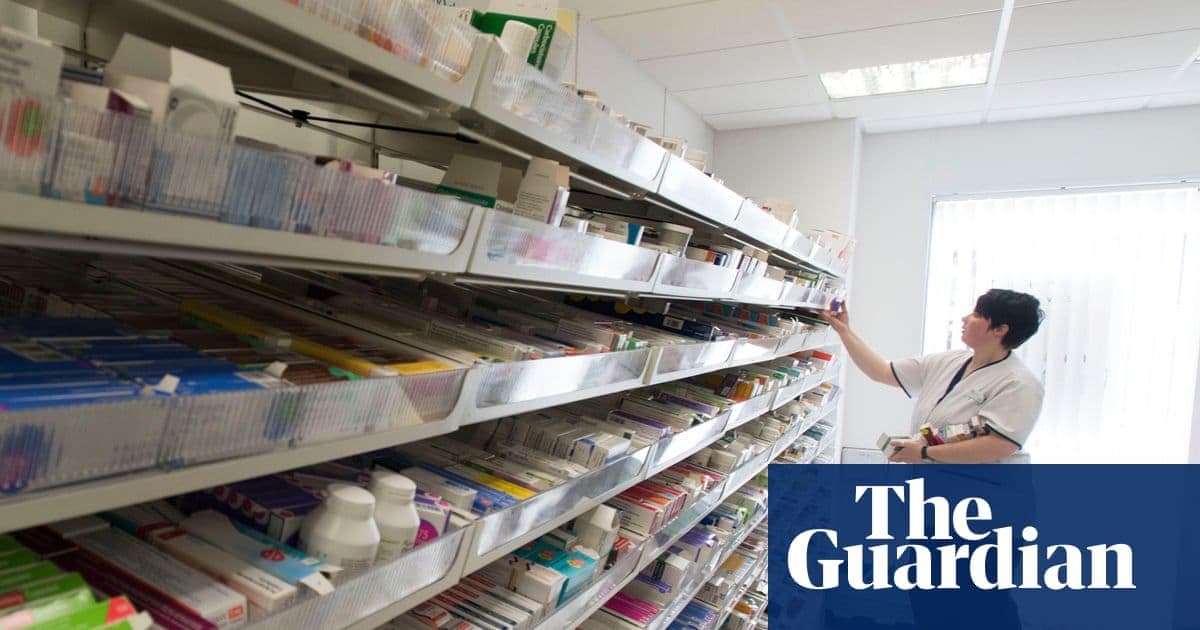
Pharmacies throughout England are sounding the alarm over steep price increases on commonly used medications, with the conflict in Iran sending shockwaves through global medicine supply chains. Painkillers, allergy treatments, and other over-the-counter staples have become noticeably more expensive since February, and industry experts warn the situation could worsen in the months ahead.
Paracetamol and Hay Fever Tablets Among the Hardest Hit
According to the National Pharmacy Association (NPA), which represents approximately 6,000 community pharmacies in England, customers are now paying between 20% and 30% more for paracetamol compared to prices seen in February. Shortages of specific strengths of aspirin and co-codamol have also been reported, with some pharmacies pulling aspirin from their shelves entirely due to supply constraints.
Over-the-counter cetirizine tablets — a widely used antihistamine for hay fever sufferers — have seen similar price increases of 20–30% over the same period. With the peak hay fever season typically arriving in May and June, allergy sufferers could face even greater cost pressures in the coming weeks.
Olivier Picard, Chair of the NPA, highlighted the dramatic shift in wholesale pricing at his Berkshire pharmacy. The cost of a pack of 100 500mg paracetamol tablets surged from just 41p to £1.99 by the end of March before easing slightly to £1.09. At the retail level, one pharmacy that charged £1.19 for a 32-tablet pack before the conflict broke out now charges £1.50 for the same product.
For cetirizine, Picard's wholesale purchase price has nearly doubled since January — rising from 19p per 30-tablet pack to 37p — while some distributors are charging as much as £3 per pack.
Why Is the Iran War Driving Up Medicine Prices?
The conflict in Iran has triggered a cascade of economic consequences that are rippling through the pharmaceutical supply chain. The sharp rise in petrol and diesel prices since the war began has significantly increased both manufacturing and transportation costs for medicine suppliers, who are now passing these elevated expenses on to pharmacies. Community chemists are reportedly paying 40–50% more when ordering stock from wholesalers.
Air freight costs have also doubled since the conflict began — a particularly concerning development given that one in every five NHS medicines is transported by air. Furthermore, the war has severely disrupted the supply of petroleum derivatives from the Gulf region. These chemical compounds are essential raw ingredients in the production of many common medications, including paracetamol, aspirin, and co-codamol.
Manufacturers of generic, off-patent drugs — who typically operate on thin profit margins — have begun raising their prices to offset these rising input costs, creating a knock-on effect that inflates both NHS spending and retail pharmacy prices.
NHS Reimbursement Rates Failing to Keep Pace
Community pharmacies derive roughly 90% of their revenue from dispensing NHS prescriptions, for which they are reimbursed at fixed government-set rates. While the government can grant price concessions when the cost of a medicine rises substantially, the current system is struggling to keep up with the pace of recent increases.
In March, a record 230 medicines were added to the price concessions list — more than double the 90 items listed in the same month the previous year. The list now includes blood pressure medications, anxiety drugs, antidepressants, and painkillers such as codeine and co-codamol.
However, paracetamol — one of the most prescribed medicines in England, with 1.3 million packs dispensed every month — was not included on the concessions list. The government currently reimburses pharmacies just 49p for dispensing a prescribed 32-pack, a figure that falls well short of current wholesale prices. Cetirizine was similarly absent from the list.
"The cost of medicine is soaring and pharmacies end up dispensing at a loss," Picard warned, noting that 1,400 pharmacies have closed since 2020 and the rate of closures continues at one to two per week.
Wider Implications for the NHS and Global Health Systems
The rising cost of generic medicines is not only squeezing community pharmacies — it is also inflating the NHS medicines bill at a time when healthcare budgets are already under considerable strain. Health systems in other countries are facing similar pressures.
Mark Samuels, Chief Executive of Medicines UK — which represents manufacturers supplying 85% of NHS prescriptions — acknowledged that widespread shortages have been avoided so far, largely because of existing stock held in UK warehouses. However, he cautioned that this buffer will not last indefinitely.
"Transportation costs have risen by several hundred per cent, and some chemicals needed for manufacturing are in very short supply," Samuels said. "If the conflict continues, we will inevitably see rising prices or shortages of essential medicines. This could be as soon as the next few weeks."
While supermarkets and online pharmacies have historically offered cheaper generic drug prices, the same supply chain pressures are expected to push their prices upward as well. More expensive branded medication versions could see even sharper increases.
What Should Patients Do?
Despite the concerning outlook, the NPA is urging patients not to panic-buy or stockpile medications. Picard stressed that bulk purchasing behaviour would only deepen existing shortages and drive prices higher for everyone. Patients are encouraged to purchase what they need and consult their pharmacist or GP if they have concerns about access to specific medications.

