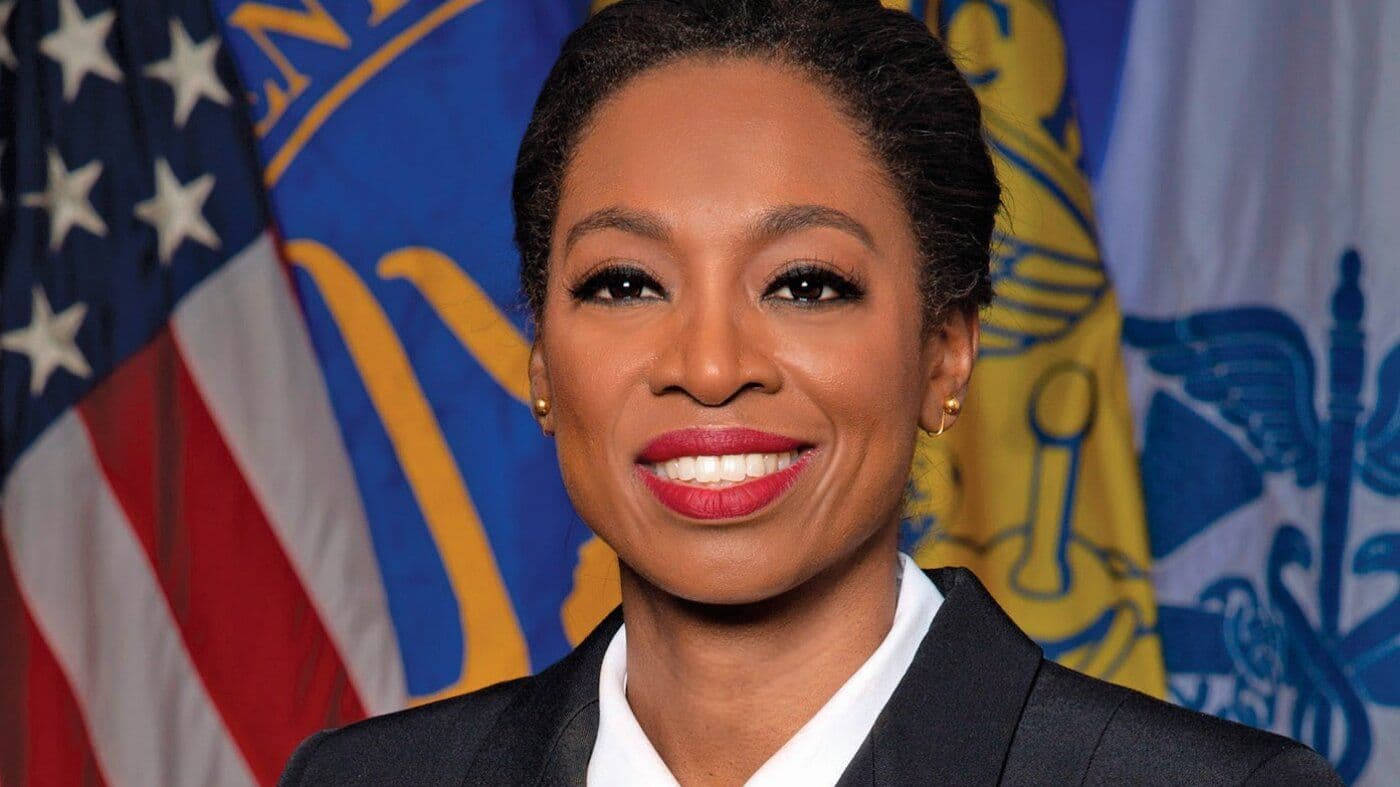
Dr. Erica Schwartz Steps Before Senate in Bid to Lead a Struggling CDC
Trump's third CDC director nominee faces tough Senate questions as the agency battles staffing crises, political pressure, and leadership instability.

Trump's Third CDC Nominee Faces Senate Scrutiny
Dr. Erica Schwartz, President Trump's latest choice to head the Centers for Disease Control and Prevention, appeared before the Senate Health, Education, Labor and Pensions (HELP) Committee on July 15 for her confirmation hearing. The session marked her first public appearance since Trump tapped her for the position in mid-April, and it placed her squarely in the spotlight of one of the most politically charged public health debates in recent memory.
Schwartz is the third individual Trump has nominated to lead the CDC during his second term — an agency that has operated without a permanent director for most of that period.
Who Is Dr. Erica Schwartz?
Schwartz brings an impressive and varied background to her nomination. A retired rear admiral in the U.S. Public Health Service Commissioned Corps, she holds advanced degrees in medicine, law, and public health. Her career includes serving as chief medical officer of the U.S. Coast Guard and as deputy surgeon general during Trump's first administration.
In early 2025, Schwartz publicly endorsed vaccines as essential tools for disease prevention and military readiness — a position she shared on Instagram. The post drew attention after her nomination was announced, and her Instagram account was subsequently taken down.
Public health professionals have reacted positively to her candidacy. Dr. Marcus Plescia, district health director for Fulton County — home to CDC headquarters in Atlanta — expressed cautious optimism.
"People are very supportive of her potentially stepping into this role," Plescia said. "What we really need right now is a CDC director who can speak to the emerging issues we're facing and establish themselves for the long term."
A Rocky Road to Confirmation
Schwartz is widely expected to clear the Senate confirmation process, but the path that led to her nomination tells a story of turbulence and instability.
Trump's first CDC pick, Dr. Dave Weldon, saw his nomination pulled just before his confirmation hearing after it became clear he lacked the necessary Senate support. His second choice, Susan Monarez, was confirmed by the Senate but was dismissed by Health and Human Services Secretary Robert F. Kennedy Jr. after less than a month on the job.
If confirmed, Schwartz will serve under Kennedy, whose department oversees the CDC. Kennedy entered office with an aggressive agenda to reshape federal vaccine policy — moves that have largely been blocked by a federal judge, though the underlying intent remains.
"The political agenda is still there," said Dr. Georges Benjamin, executive director of the American Public Health Association. However, Benjamin noted a subtle shift in the political climate. "The president has had to pull Kennedy back because the approach was causing political damage. That may give the next CDC director a bit more breathing room to follow the evidence."
Internal Chaos Laid Bare
A batch of internal CDC emails released by Senator Bernie Sanders of Vermont has cast a harsh light on the disarray that gripped the agency between January and August 2025. The correspondence reveals an institution struggling under the weight of mass staff departures, blurred lines of authority, and mounting political interference.
In one notable exchange from August 19, 2025, Matt Buckham — then chief of staff to Secretary Kennedy — emailed outgoing Director Monarez urging "political review of major policy decisions at CDC" by senior political leadership. The message ended with the phrase "Make America Great!"
Other emails documented widespread confusion about who was actually running the agency, the chaotic rollout of workforce reductions, and efforts by Kennedy's team to steer vaccine policy decisions in directions that contradicted both legal counsel and scientific guidance from CDC experts.
Morale at an All-Time Low
The toll on CDC staff has been significant. In a recent internal all-hands meeting — a recording of which was obtained by NPR from a current employee who requested anonymity — Sean Slovenski, a former Walmart executive now serving as the CDC's deputy director and chief operating officer, acknowledged the deep wounds left on the workforce.
"If any organization had gone through even one of the things you've endured in the last year and a half, it would be traumatic for years to come. You've had multiple ones," Slovenski told employees.
He pledged transparency as the agency moves through an upcoming reorganization. "I'm not promising that everyone will be happy. What I'm promising is that everyone will be clear — they'll know what's coming, and they'll know it was handled thoughtfully."
A Second Nomination on the Agenda
Wednesday's hearing also included a confirmation session for Sean Kaufman, nominated to serve as Assistant Secretary for Strategic Preparedness and Response at HHS. Kaufman, currently a senior CDC adviser for global affairs, has experience responding to infectious disease outbreaks including anthrax and West Nile virus.
However, his record has raised concerns among some public health advocates. According to his LinkedIn profile, Kaufman has served as an expert witness in cases defending individuals who faced professional consequences for refusing COVID-19 vaccines, and he has publicly questioned the safety and necessity of universal COVID-19 and hepatitis B vaccination. The ASPR role he seeks carries direct responsibility for overseeing pandemic vaccine development and emergency health countermeasures.