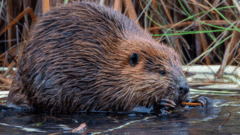
Dorset Wildlife Trust Plans to Release Up to 50 Wild Beavers Into Local Rivers
A major beaver reintroduction project could see up to 50 wild beavers released across Dorset's river systems, as a leading conservation charity submits formal plans.

Dorset Wildlife Trust Eyes Ambitious Beaver Reintroduction Across River Networks
A leading nature conservation charity is pushing forward with bold plans to release as many as 50 wild beavers into Dorset's river systems, marking a significant step in efforts to restore the semi-aquatic mammals to England's waterways.
Dorset Wildlife Trust has formally submitted an expression of interest to Natural England, targeting the River Hooke and the broader River Frome catchment as prime locations for the proposed reintroduction.
A Phased Approach to Responsible Reintroduction
Rather than releasing the animals all at once, the trust is advocating for a carefully managed, staged rollout. Under the proposed plan, beavers would be introduced at approximately 10 carefully selected sites spread across several years, allowing conservationists to monitor progress and address any challenges along the way.
This measured strategy reflects the trust's commitment to ensuring the long-term success of the project while minimising disruption to existing ecosystems and local communities.
A Historic Milestone Already Reached
The proposal builds on a landmark moment in British conservation history. In March 2025, wild beavers were released without enclosures onto a nature reserve in Purbeck — the first such unrestricted release in over 400 years, following the species' extinction in Britain.
This milestone followed a pivotal government decision to permit wild beaver populations to re-establish themselves across England's rivers and wetlands.
Prior to this, Dorset Wildlife Trust had introduced an adult breeding pair into a fenced site in west Dorset back in February 2021 as part of a dedicated scientific study. Then, in October 2022, beavers were officially recognised once again as a native resident species in England.
From Enclosed Studies to Open Water Release
Natural England has since shifted its focus away from enclosed conservation projects, now actively issuing licences that permit fully wild beaver releases — a change that has opened the door for ambitious initiatives like this one.
Why Genetic Diversity Matters
The trust has highlighted the critical importance of building a genetically diverse beaver population. According to the charity, establishing a population that is robust, adaptable to climate change, and resilient against disease is one of the most vital components of any successful reintroduction programme.
"Help is needed," the trust stated, emphasising that a thriving, sustainable beaver community cannot be achieved through small or isolated releases alone.
Public Consultation Now Open
In recognition of the far-reaching implications of reintroducing such an ecologically influential species, Dorset Wildlife Trust has launched a public consultation on the proposal. The consultation will remain open until 31 May, giving local residents, landowners, farmers, and environmental stakeholders the opportunity to share their views.
The trust described the consultation as "essential to ensure that reintroducing such an influential species is done responsibly," adding that it represents "an opportunity for all to feed into this potential reintroduction project, facilitating collaborative planning and helping to maximise the significant environmental benefits, whilst minimising any negative impacts."
What Happens Next
Once the public consultation concludes, Dorset Wildlife Trust will compile findings and submit a full formal application to Natural England. That application must receive approval before any wild release beaver licence can be granted, meaning the process still has several important stages to clear before beavers can begin returning to Dorset's open waterways.
If approved, the project could represent one of the most significant wildlife reintroduction efforts in the south of England in recent memory.