DOJ Memo Threatens Decades of Disability Rights, Raising Fears of Mass Institutionalization
A new Justice Department memo challenges long-standing civil rights protections for disabled Americans, sparking alarm that states could revert to institutionalizing vulnerable citizens.

Justice Department Memo Upends Decades of Disability Civil Rights Protections
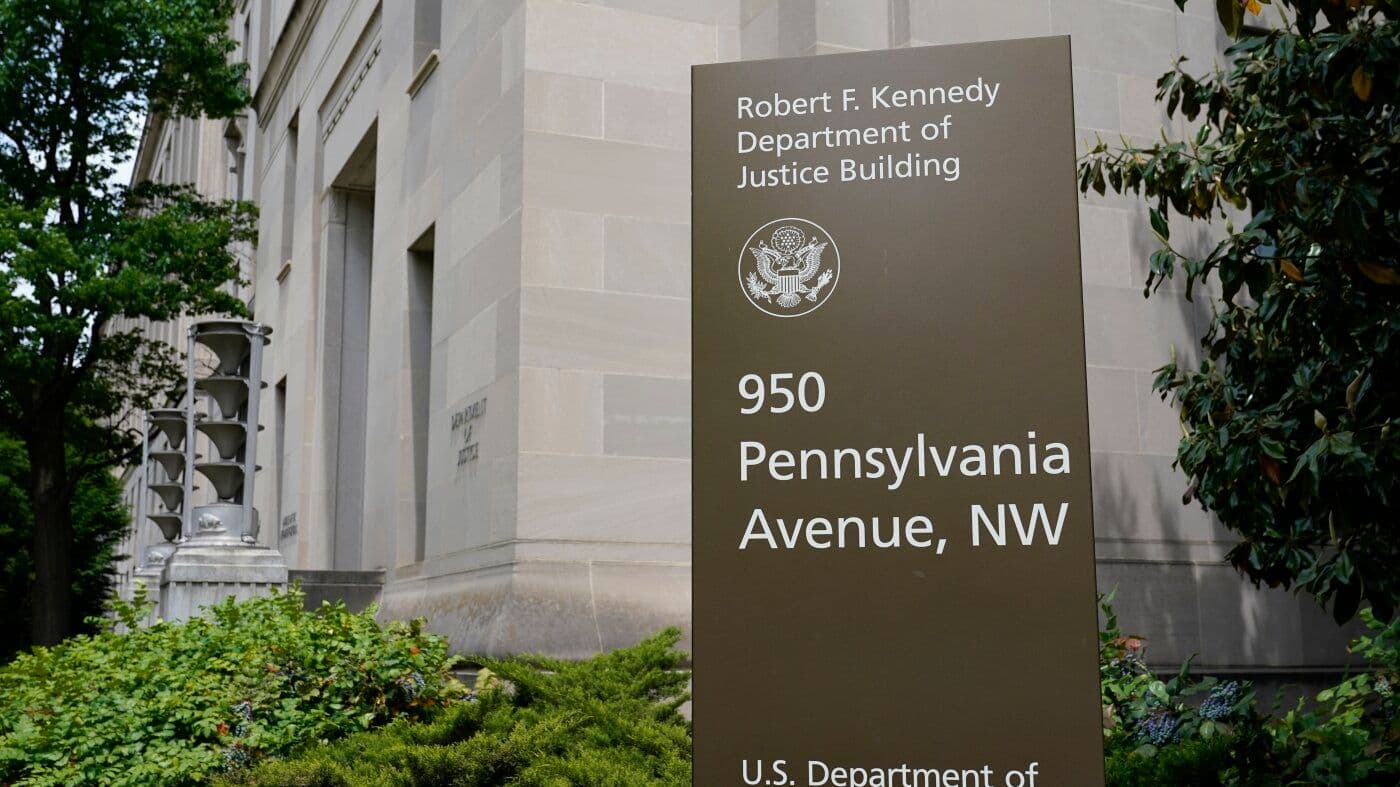
A quietly released memo from the U.S. Justice Department is sending shockwaves through the disability rights community, with advocates and legal experts warning that it could unravel nearly 50 years of hard-won civil rights protections and pave the way for a return to widespread institutionalization of Americans with disabilities.
The opinion, issued by the Office of Legal Counsel, contends that states are not legally obligated to provide home-based or community-based care to disabled individuals who require support. These services have long been the lifeline that enables millions of disabled Americans to live in their own homes, remain close to loved ones, pursue education, and maintain employment within their communities.
A Seismic Shift in the Government's Legal Position
"It is now the position of the United States government that people with disabilities don't have a right to be part of their communities," said Alison Barkoff, a health law and policy professor at George Washington University and former disability policy leader under both the Obama and Biden administrations. "I can't overstate how significant this change in position is."
The concern among advocates is immediate and concrete. Without a federal requirement compelling states to offer community integration services, financially strained states may have the legal cover they need to slash these programs — effectively forcing disabled individuals into nursing homes and large-scale institutions, a practice that was once commonplace and widely condemned.
Advocacy Groups Sound the Alarm
The backlash from disability organizations was fast and forceful.
The American Association of People with Disabilities issued a scathing statement: "As America prepares to celebrate 250 years of independence, this memo threatens to drag our nation back to a dark and shameful era of ignorance and cruelty. This interpretation will open the doors for states to revert to warehousing people with disabilities out of sight and out of mind in institutions."
Shira Wakschlag of The Arc of the United States echoed those concerns: "This opinion is a direct threat to decades of progress toward community living for people with disabilities. People with disabilities shouldn't be forced into institutions because a state refuses to provide services in the community."
The Justice Department did not respond to requests for comment on its reasoning or why it is departing from a legal stance that has enjoyed bipartisan support for decades.
Overturning Settled Law: The Olmstead Decision Under Fire
Legal experts say the memo directly undermines what has long been considered settled law. Both Section 504 of the Rehabilitation Act and Title II of the Americans with Disabilities Act have historically been interpreted to require that disabled Americans receive services in the most integrated setting appropriate to their needs — in other words, institutionalization should only ever be a last resort.
This interpretation was affirmed by the U.S. Supreme Court in 1999 in the landmark case Olmstead v. L.C., in which two women with mental disabilities successfully sued the state of Georgia for continuing to institutionalize them despite their ability to live in community settings. The Court ruled that states bear a legal responsibility to support community integration for disabled individuals, and courts across the country have upheld that interpretation for nearly three decades.
By 2023, approximately 8.4 million Americans were receiving home- and community-based services through Medicaid, a direct result of the protections established under Olmstead.
The Memo's Controversial Legal Argument
The memo, authored by Lanora Pettit, principal deputy assistant attorney general in the Office of Legal Counsel, argues that while federal law prohibits disability-based discrimination, it does not impose an "integration mandate" requiring states to fund and deliver community services. It further reinterprets the Olmstead ruling as having "held only that a state cannot institutionalize such patients without justification" — and then goes on to suggest that what constitutes adequate justification remains undefined.
In a striking admission, Pettit herself acknowledges the unconventional nature of this reading, writing: "We recognize that this view of Olmstead's import is out of step with the common understanding of that decision within the federal courts."
Professor Barkoff notes that the U.S. government has maintained an integration mandate position since 1977, and that every administration — Republican and Democrat alike, including President Trump's first term — has actively enforced federal disability law against states that leaned too heavily on segregated, institutional care.
What Institutionalization Really Means for People
For those who have witnessed institutionalization firsthand, the stakes of this policy debate are deeply personal.
"Who you can see, when you can go out, when you eat, what you eat. Who your roommate is, who you talk to, what your environment is," said Jennifer Mathis of the Bazelon Center for Mental Health Law. "And for so many people who are institutionalized, their life is literally a hallway. I have been on those hallways with people. It is deadening."
Barkoff warns that this memo sends a clear and troubling message: "We are incredibly concerned that the message coming from the federal government is, 'It's fine to go back to the days that people were placed in institutions,' even though they can be served in the community, even though they want to be, and even though it's more cost-effective."
Broader Political Context: A Push Toward Institutionalization
The timing of the memo is particularly significant. It arrives as Texas v. Kennedy, a legal challenge by Texas and several other states directly contesting the integration mandate, works its way through the federal court system. With this new memo, the federal government is effectively aligning itself with the states seeking to dismantle community care requirements.
However, Mathis cautions that the memo does not carry the force of law: "It's important to understand that this memo is not the law. The Justice Department can't change the law. Congress makes laws, not agencies."
The memo also fits within a wider policy trajectory. On July 24, 2025, President Trump signed an executive order aimed at addressing homelessness, which proposed involuntary institutionalization as a solution, stating that "shifting homeless individuals into long-term institutional settings for humane treatment through the appropriate use of civil commitment will restore public order."
The president himself pledged during a 2023 campaign video: "For those who are severely mentally ill and deeply disturbed, we will bring them back to mental institutions, where they belong."
For disability advocates, these developments collectively represent a profound threat to the independence, dignity, and civil rights of millions of Americans. While the immediate legal impact of the memo remains to be seen, one outcome appears likely: the Justice Department will scale back or abandon its enforcement efforts around the Olmstead decision, leaving disabled Americans with fewer federal protections than at any point in the past half century.

