DIY Blood Testing Is Booming — But Can You Really Interpret the Results?
More Americans are ordering their own blood work without a doctor's prescription. But getting results is only half the battle.

The Rise of Direct-to-Consumer Blood Testing
When Lana McDonald, a 34-year-old teacher from Massachusetts, received an email from Oura — the company behind her sleep-tracking ring — offering a blood test panel for just $99, she jumped at the opportunity. Her primary care doctor had never once recommended routine blood work, so the idea of taking matters into her own hands felt empowering. Within days, she had an appointment at Quest Diagnostics, and her results were already rolling in by the end of that same day.
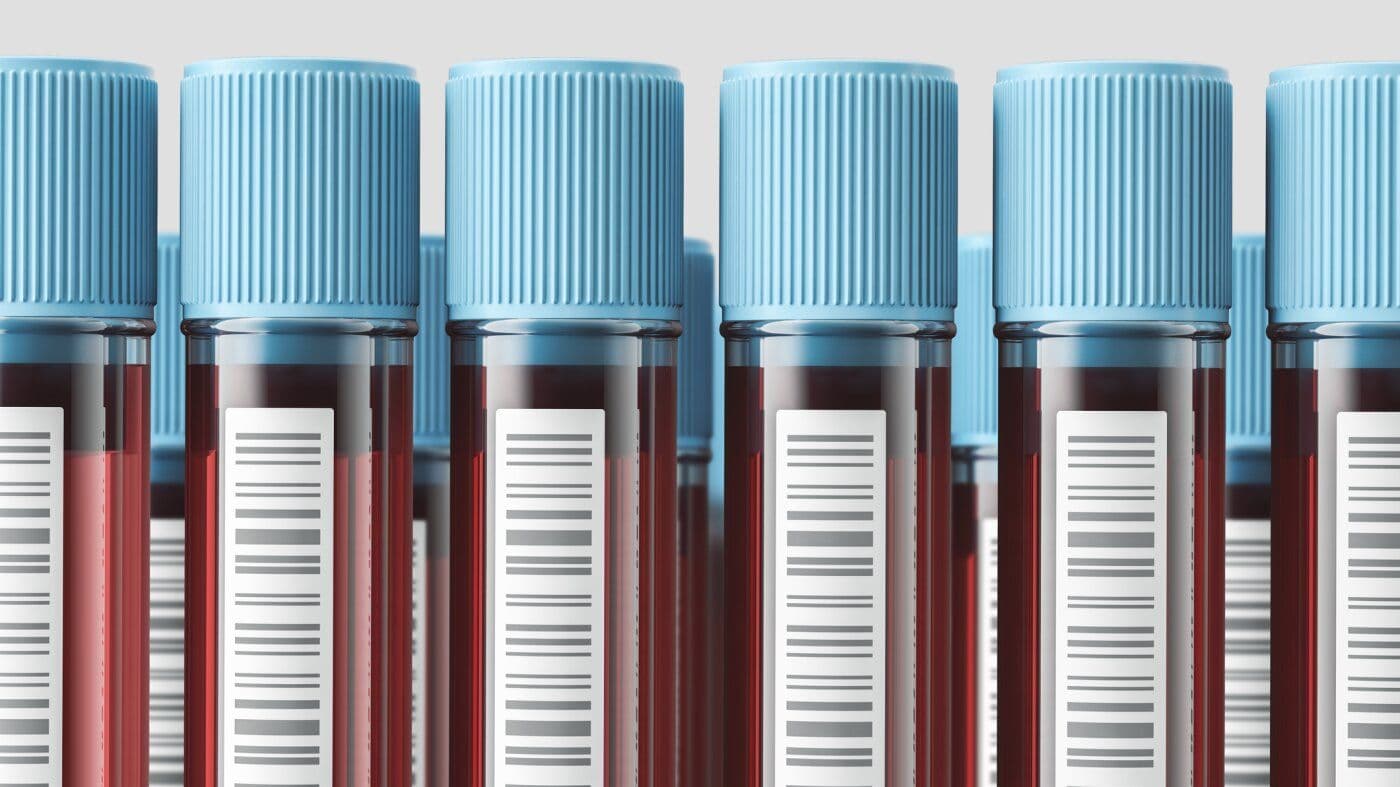
McDonald's experience reflects a rapidly growing movement in American health care: direct-to-consumer (DTC) blood testing, where individuals bypass traditional medical channels to order their own lab work — often for the price of a restaurant dinner.
A Crowded and Competitive Market
The DTC blood testing industry is expanding fast. Major commercial laboratories like Quest Diagnostics and Labcorp OnDemand now offer direct consumer access to their services, while a new wave of health technology companies is partnering with them to reach even broader audiences.
Oura, which has sold more than 5.5 million of its smart rings worldwide, recently launched a blood testing product aimed squarely at its existing customer base. Wearable tech company Whoop has followed suit. Telehealth platform Hims & Hers, boasting 2.5 million members, rolled out its own blood testing service in late 2025. Meanwhile, Function Health — a health technology company offering comprehensive testing to hundreds of thousands of members — reached a staggering $2.5 billion valuation following a recent funding round.
What These Services Offer
The pricing models vary across the industry:
- Function Health charges $365 per year for membership, which includes twice-yearly testing covering more than 160 biomarkers annually
- Hims & Hers offers a similar twice-yearly plan priced at $499, currently discounted to $349, with over 130 biomarkers tested
- Superpower, another DTC competitor, advertises panels of more than 100 tests for just $199
Many of these services also include tests not commonly ordered in standard clinical practice. Function Health, for instance, offers an extensive brain health testing add-on panel.
The Problem With Going It Alone
For McDonald, the experience quickly became overwhelming. Eight of her results came back outside the normal range — including elevated cholesterol and low hemoglobin levels. No explanation accompanied the figures. She turned to Google for guidance, eventually deciding to order a separate ferritin test on her own. That result was also low.
Navigating the next steps proved even more frustrating. She downloaded her results, messaged her physician through an online portal, and then waited two full months before she could get an appointment.
This scenario is increasingly familiar to primary care doctors across the country.
"Patients are getting outside testing done and bringing them to appointments asking us to interpret them," said Dr. Jeffrey Linder, chief of general internal medicine at Northwestern University's Feinberg School of Medicine.
The Interpretation Gap
Without an established patient-provider relationship, placing lab values in the proper context becomes genuinely difficult. Abnormal numbers don't always signal a serious problem — and normal numbers don't always mean everything is fine.
Dr. Anna Wexler, an assistant professor of Medical Ethics and Health Policy at the University of Pennsylvania, acknowledges the appeal of these services but warns of the risks.
"There's this idea that more information is better — that having access to information is empowerment," she says. "That's appealing to the longevity crowd, the biohackers, people interested in tracking all their metrics."
But that same flood of information can generate unnecessary anxiety. Dr. Linder puts it bluntly: "There's this unrealistic expectation that the only two outcomes are a clean bill of health or something that's going to kill you. It's far more likely you'll find something indeterminate that causes anxiety and doesn't actually improve your health."
Who Is Responsible for Your Results?
Both Oura and Function Health work with third-party clinician partners to review test results and contact patients if a critical finding emerges. But critics question whether this arrangement truly protects consumers.
"The company you order the test from may contract with a physician group and say, 'We're just a platform connecting you to the physician — we're not responsible,'" says Wexler. "There are real questions of liability and accountability in this space."
Dr. Ricky Bloomfield, chief medical officer at Oura, maintains that the company's blood testing product is designed "to complement — not replace" an ongoing relationship with a health care provider. "It's essential for people to have an ongoing relationship with a health care provider," he said.
To help users make sense of their numbers over time, Function Health has integrated OpenAI's ChatGPT Health into its platform. OpenAI has been clear, however, that the tool is not intended to substitute for professional medical care.
A Response to a Broken System
Despite the risks, there's a reason these services are resonating with consumers. The traditional health care system often fails people on two critical fronts: cost transparency and accessibility.
"This is completely a response to frustration with the current state of health care — the lack of pricing transparency, the difficulty of scheduling with a physician," says Wexler. "These tests provide convenience and cost clarity."
Function Health reports that 40% of its members come from ZIP codes with median household incomes below $95,000, suggesting the appeal extends well beyond affluent wellness enthusiasts.
Dr. Mark Hyman, co-founder and chief medical officer of Function Health and a prominent advocate of functional medicine, believes comprehensive early testing is the future of health care.
"The more you understand earlier in your health trajectory, the more you can build predictive models of where you're headed," Hyman says. "Early diagnostics, ongoing tracking, longitudinal data — that's where medicine is going."
The Bottom Line
Direct-to-consumer blood testing offers genuine value: affordability, convenience, and a sense of personal agency in an often opaque health care system. But the technology has outpaced the infrastructure needed to support it. Without clear guidance, follow-up care, and an informed clinician in your corner, a stack of lab results can create more confusion than clarity.
For consumers considering DIY blood work, the smartest move may be to treat the results as a starting point — not a diagnosis — and loop in a trusted health care provider before drawing any conclusions.