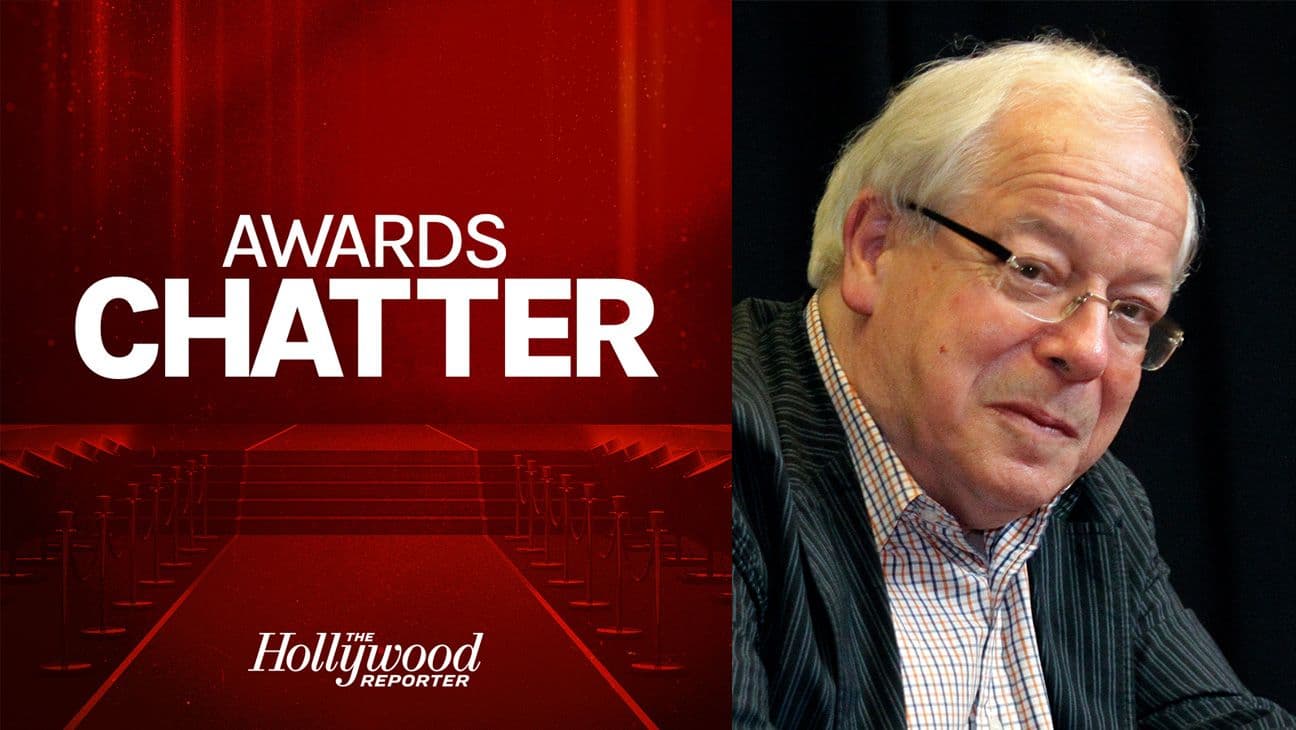
David Thomson on Screen Antiheroes, Trump, and Why Mickey Mouse Is His Next Big Subject
Legendary film writer David Thomson discusses his provocative new book, the cultural impact of Hollywood antiheroes, and why Mickey Mouse deserves a closer look.

David Thomson Reflects on Cinema, Culture, and What Comes Next
Few voices carry as much weight in the world of film writing as David Thomson. A celebrated critic, historian, and the author of more than 40 books, Thomson has spent decades dissecting the art, politics, and psychology of cinema with remarkable depth and clarity. Now, with the release of his latest work — A Sudden Flicker of Light: A Revisionist History of Movies — the revered writer is once again challenging the way we think about film and its far-reaching influence on society.
Published this week, the new book arrives at a moment when questions about storytelling, morality, and cultural identity feel more urgent than ever. Thomson sat down with The Hollywood Reporter to discuss the ideas driving his latest project — and the unexpected connections he sees between Hollywood's most complex characters and the current state of American politics.
The Dark Side of the Screen: Antiheroes and Their Real-World Consequences
One of the most striking arguments Thomson makes involves the rise of the screen antihero and the cultural conditions that figure may have helped create. Over the past few decades, audiences have been drawn to morally ambiguous, often ruthless protagonists — characters who bend or break the rules while commanding our attention and even our admiration.
Thomson suggests this cultural fascination with powerful, boundary-pushing figures on screen did not exist in a vacuum. In his view, the glorification of antiheroes in film and television helped normalize a certain kind of aggressive, self-serving leadership — one that arguably paved the way for the political rise of Donald Trump. It is a bold claim, but one rooted in Thomson's long-standing belief that movies do not simply reflect society; they actively shape it.
A Dictionary That Will Not Be Rewritten
Thomson is perhaps best known for The New Biographical Dictionary of Film, a monumental reference work that has gone through multiple editions over the decades and remains one of the most widely read and debated books ever written about cinema. However, Thomson has made it clear that the dictionary will not be receiving another update.
For a work so closely tied to a constantly evolving industry, this decision speaks volumes. Thomson appears to view the dictionary as a completed statement — a document of a particular era in film history rather than an endlessly expanding catalog. It is a deliberate choice that reflects his broader philosophy: that some works are best left to stand on their own terms.
What Comes After Movies? Mickey Mouse
Perhaps the most unexpected revelation from Thomson's recent interview is the subject of his next book: Mickey Mouse. The iconic Disney character, now nearly a century old, represents far more than childhood nostalgia. As a global symbol of American entertainment, corporate power, and cultural export, Mickey Mouse offers a fascinating lens through which to examine the entertainment industry — and the world it helped build.
Thomson has always been drawn to subjects that sit at the intersection of pop culture and deeper meaning, and Mickey Mouse fits that profile perfectly. Whether the book will serve as biography, cultural analysis, or something else entirely remains to be seen — but coming from Thomson, it promises to be anything but conventional.
A Career Built on Challenging Assumptions
At its core, Thomson's work has always been about asking uncomfortable questions. He does not simply celebrate cinema — he interrogates it, holding it accountable for its influence and examining the stories it chooses to tell. His revisionist approach, evident in the very title of his new book, invites readers to reconsider what they thought they knew about film history.
A Sudden Flicker of Light is available now, and for anyone serious about understanding how movies became one of the most powerful forces in modern culture, it is essential reading.