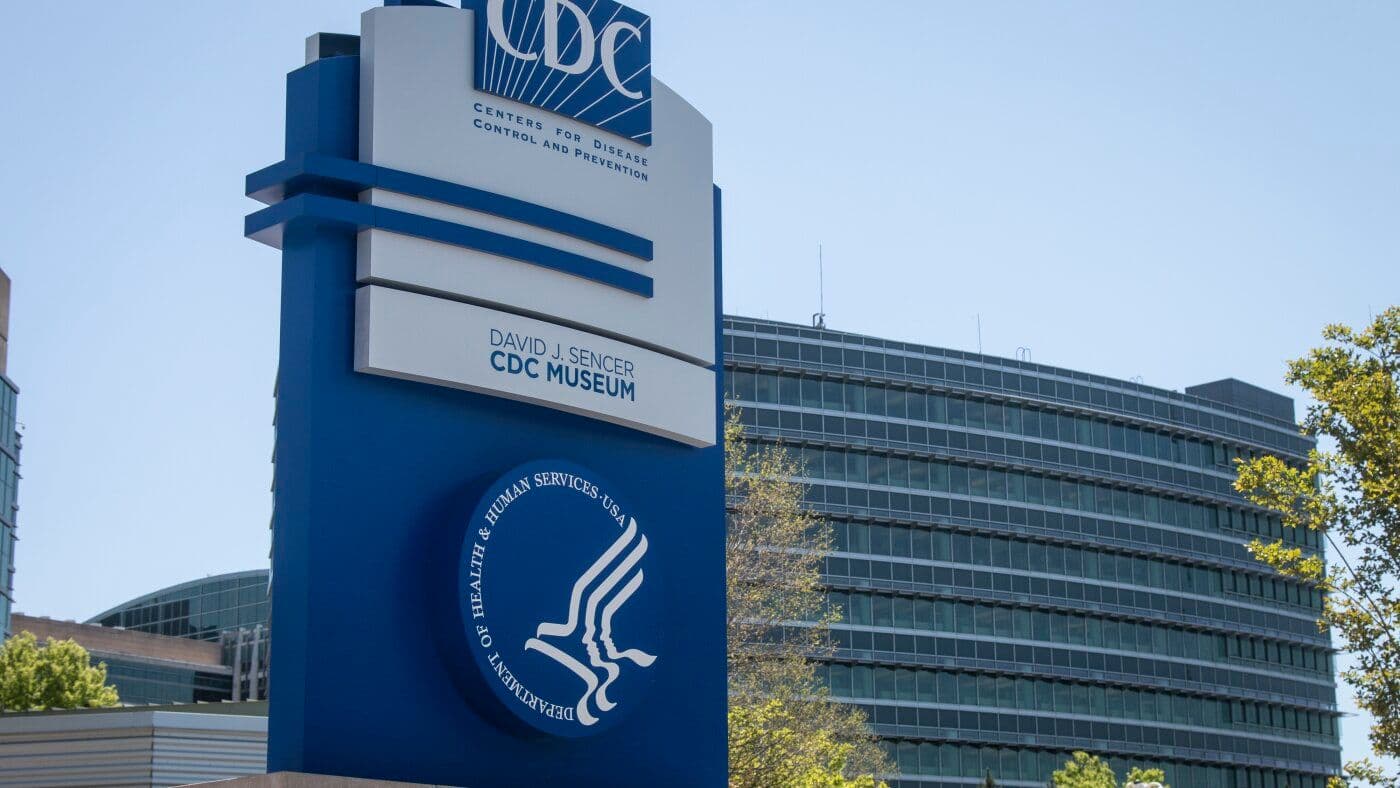
Cyclosporiasis Outbreak Spreads Across 31 States: What You Need to Know
A growing outbreak of the parasitic intestinal illness cyclosporiasis has struck 31 states, with over 800 cases reported and the source still unidentified.

Cyclosporiasis Outbreak Spreads Across 31 U.S. States
Federal health authorities are sounding the alarm over a rapidly expanding outbreak of cyclosporiasis, a parasitic intestinal illness that has now been detected in 31 states across the country. With hundreds of confirmed cases and thousands more likely going unreported, public health officials are urging Americans to stay informed and take precautions.
What We Know So Far
As of the most recent update, the Centers for Disease Control and Prevention (CDC) has confirmed 843 cases of cyclosporiasis reported directly by state health departments. However, the actual number of infections is believed to be significantly higher. Many people recover on their own without ever seeking medical attention, and a reporting lag of approximately six weeks between the onset of symptoms and official documentation means the full scope of the outbreak has yet to be revealed.
To put the scale in perspective, Michigan alone recorded 1,562 cases as of last Friday. Across the country, at least 86 people have required hospitalization, though no deaths have been reported.
Ages among those affected range widely — from as young as 5 years old to as old as 88 — indicating that no age group is immune to the illness.
What Is Cyclosporiasis?
Cyclosporiasis is a gastrointestinal illness caused by Cyclospora, a microscopic parasite typically transmitted through contaminated food or water. The illness commonly triggers symptoms such as:
- Persistent diarrhea
- Nausea and vomiting
- Fatigue and body aches
- Loss of appetite
- Bloating and stomach cramps
Symptoms can appear anywhere from two days to over two weeks after exposure, making it difficult for patients — and investigators — to pinpoint exactly when and how they were infected.
Where Is the Outbreak Hitting Hardest?
While cases have been reported from coast to coast — including California, Texas, and Florida — some of the most severe concentrations have been found in the Midwest and Northeast. Michigan and New York have emerged as particularly hard-hit regions.
In Ohio, the state Department of Health reported 177 cases as of July 2, with the majority occurring in June. Dr. Bruce Vanderhoff, Director of the Ohio Department of Health, emphasized that cyclosporiasis is a "serious illness that can cause dehydration and require people to seek emergency medical care," adding that it should not be taken lightly.
Health authorities note that while cyclosporiasis infections naturally trend upward during spring and summer months, multiple states have reported a steeper-than-usual spike in cases compared to the same period last year.
What Is Causing the Outbreak?
Investigators have not yet identified the specific food source or sources driving this outbreak. The CDC is conducting ongoing interviews with infected individuals to determine what foods they consumed in the days and weeks before falling ill — a challenging process given the extended incubation period of the parasite.
Historically, U.S. outbreaks of cyclosporiasis have been traced back to fresh produce. Notable examples include:
- 2013: Tainted lettuce imported from Mexico was suspected in approximately 400 U.S. cases.
- 2018: McDonald's pulled salads from restaurants across 14 states after they were linked to dozens of cyclosporiasis infections.
The Food and Drug Administration (FDA) notes that past outbreaks have also been associated with raspberries, basil, cilantro, snow peas, and various types of lettuce.
How to Protect Yourself
While the investigation is ongoing, there are several practical steps you can take to reduce your risk of infection:
Cook Your Produce When Possible
Heating food to at least 158°F (70°C) effectively kills the Cyclospora parasite, making cooking one of the most reliable prevention methods.
Wash All Fresh Fruits and Vegetables Thoroughly
Although Cyclospora is not easily rinsed away, thoroughly washing all fresh produce — including herbs — is still an important precautionary measure.
Practice Standard Food Safety Habits
Always wash your hands with soap and water before and after handling fresh produce. Following basic kitchen hygiene protocols can significantly reduce the risk of contamination.
When to See a Doctor
If you suspect you may have contracted cyclosporiasis — particularly if you are experiencing severe diarrhea or signs of dehydration — it is important to seek medical attention promptly. The illness is typically treated with a course of antibiotics, and early intervention can prevent complications.
As the investigation continues and more cases are expected to be reported in the coming weeks, staying informed and practicing food safety remains your best line of defense.