Cuba Plunged Into Darkness: Massive Blackout Hits Millions Amid Worsening Energy Crisis
A catastrophic power failure swept across western Cuba, cutting electricity to millions as Trump-era sanctions continue to strangle the island's already fragile energy infrastructure.

Massive Blackout Cripples Western Cuba Amid Deepening Energy Crisis
Millions of Cubans were left without electricity on Wednesday after a sweeping blackout knocked out power across a vast stretch of western Cuba — the latest devastating blow to an island already buckling under severe fuel shortages intensified by U.S. sanctions imposed during the Trump administration.
According to the U.S. Embassy in Havana, the national electrical grid suffered a complete disconnection at approximately 12:41 p.m., with the outage spanning from Camagüey in the east all the way to Pinar del Río in the west, engulfing the entire greater Havana metropolitan area in darkness.
Grid Collapse Triggered by Power Plant Shutdown
Authorities traced the cause of the collapse to an unexpected failure at the Antonio Guiteras thermoelectric plant, situated roughly 62 miles east of Havana. Local reports, citing The Associated Press, suggest it could take a minimum of three days before full power operations are restored across the affected regions.
Cuba's Minister of Energy and Mines, Vicente de la O Levy, acknowledged the severity of the situation, stating, "We are working on the restoration of the national electrical system amid a complex energy situation." He confirmed that at least one facility, the Felton 1 power plant, remained operational during the outage.
Embassy Issues Safety Warning to Residents
The U.S. Embassy in Cuba issued an advisory warning that the national grid has become "increasingly unstable," with both scheduled and unscheduled power cuts now occurring on a daily basis throughout the country, including in the capital. The statement urged residents to take precautionary steps, including conserving fuel, water, food supplies, and mobile phone battery life, and to brace for significant disruption to essential services.
"Outages affect water supply, lighting, refrigeration, and communications," the embassy cautioned.
Cubans Adapt to Life Without Reliable Power
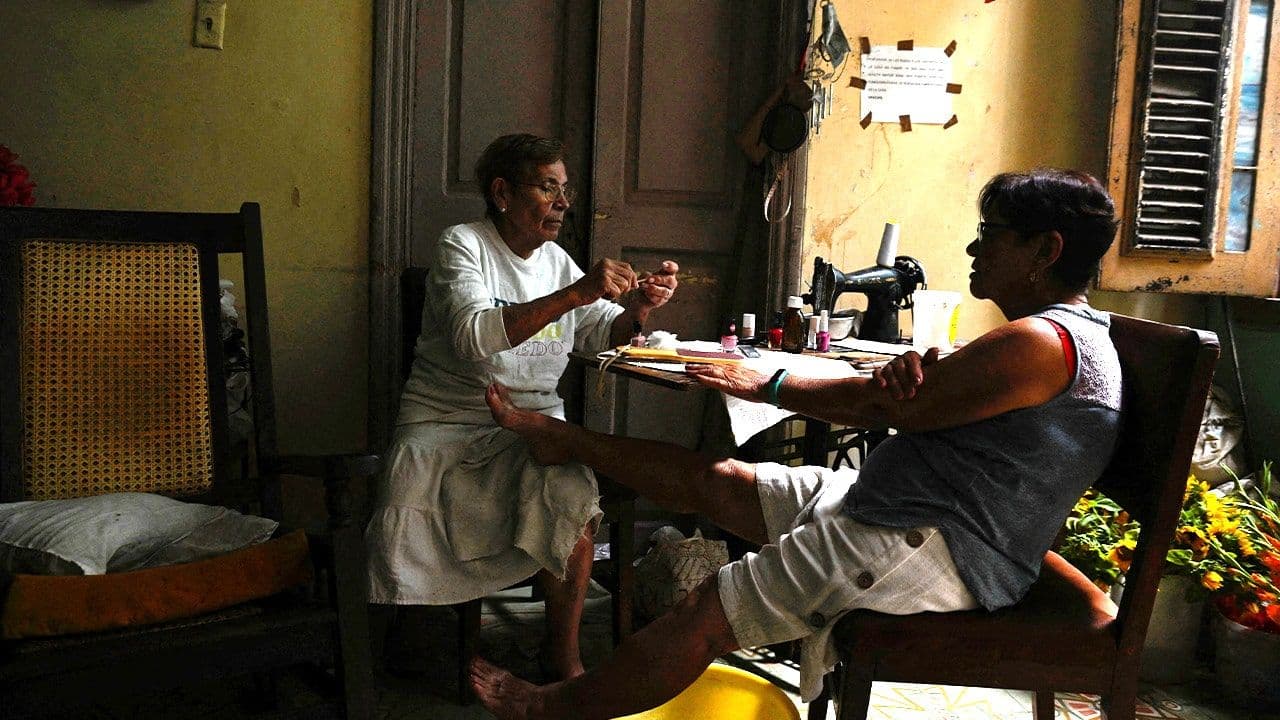
Despite the scale of the blackout, some parts of the island continued to function. Reuters reported that, given Cuba's long familiarity with state-imposed energy rationing and frequent outages, certain traffic signals and commercial establishments stayed operational through solar energy systems or backup generators.
Many Cuban residents and vehicle owners have proactively installed solar panels in response to skyrocketing fuel costs and the unreliability of the national grid — a grassroots adaptation to what has become a chronic national emergency.
Sanctions and Lost Oil Supplies Accelerate the Crisis
Cuba's power infrastructure has long suffered from years of underinvestment and aging equipment, but conditions deteriorated sharply at the start of the year. In January, a U.S. military operation resulted in the capture of Venezuelan President Nicolás Maduro, which effectively halted Venezuelan oil exports to Cuba — severing what had been the island's most critical fuel supply line.
The Trump administration's broader sanctions policy has further compounded Cuba's ability to source alternative energy supplies, leaving the island increasingly exposed to the kind of catastrophic grid failures witnessed this week.
Cuban Government Refuses to Negotiate with Washington
Despite mounting pressure on ordinary Cubans, President Miguel Díaz-Canel has maintained a firm stance against engaging with the United States. Following the disruption of Venezuela's oil shipments in January, Díaz-Canel publicly declared that his government had no plans to enter into negotiations with Washington to secure a new energy or diplomatic agreement.
The standoff leaves millions of Cuban citizens bearing the brunt of a geopolitical battle that shows little sign of resolution, as daily life on the island becomes increasingly defined by darkness, fuel lines, and uncertainty.

