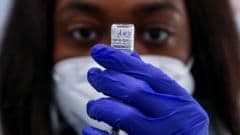
Covid Vaccines Saved Hundreds of Thousands of Lives, But Trust Remains Fragile
The UK's Covid vaccination programme was a landmark achievement, yet new findings warn that vaccine hesitancy and misinformation continue to pose serious public health risks.

A Landmark Vaccination Programme With Lessons Still to Learn
The United Kingdom's Covid-19 vaccination drive has been recognised as one of the most remarkable public health achievements in modern history — but a sweeping official inquiry has made clear that significant challenges remain, particularly around public trust, misinformation, and support for those harmed by the jabs.
The fourth report from the official Covid pandemic inquiry, spanning 274 pages, delivers both praise for the rollout and pointed warnings about what must improve going forward.
An Unprecedented Scientific and Logistical Achievement
What would ordinarily require years of research, clinical trials, and regulatory review was compressed into a matter of months — without any compromise to safety standards, according to the inquiry. The scale of delivery was equally extraordinary: approximately 130 million doses were administered within a single year, with more than nine out of ten people aged 12 and over receiving immunisation.
Healthcare authorities also demonstrated considerable creativity in driving uptake, establishing pop-up vaccination clinics in community centres and places of worship, while partnering with local leaders to engage harder-to-reach populations. The inquiry described the overall effort as a showcase of the finest qualities within the UK's health and scientific infrastructure.
Vaccine Hesitancy and the Damage of Misinformation
Despite the programme's success, the inquiry raises serious concerns about the lasting damage caused by online misinformation. False narratives about Covid vaccines not only undermined uptake during the pandemic but have since eroded public confidence in entirely unrelated childhood immunisation programmes.
Deep-seated distrust of authority — particularly prevalent in some ethnic minority communities and those living in areas of socioeconomic deprivation — also contributed to lower vaccination rates. The inquiry calls for sustained, targeted efforts to rebuild confidence across all vaccine programmes.
The Question of Vaccine Mandates
The report also scrutinises the government's controversial decision to make vaccination compulsory for certain workers. In mid-2021, care home staff in England were required to be vaccinated as a condition of employment, with plans to extend this to all health and care workers. However, those plans were subsequently abandoned, and the care home mandate was revoked after evidence emerged that the vaccine's capacity to prevent transmission was more limited than initially understood — its primary benefit being protection against serious illness in those vaccinated.
The inquiry suggests that these mandates likely deepened feelings of alienation and may have amplified hesitancy among some groups, raising important questions about the limits of compulsion in public health policy.
Support for the Vaccine-Injured Requires Urgent Reform
While serious adverse reactions to Covid vaccines were rare, the inquiry acknowledges that a small number of individuals suffered significant harm or death as a result of vaccination. Given that people were encouraged to get vaccinated partly out of a duty to protect others, the report argues that those who suffered harm deserve far greater support than they are currently receiving.
More than 20,000 claims have been submitted to the government's Vaccine Damage Payment Scheme, yet only around one percent have resulted in a successful award — a one-off, tax-free payment of £120,000. The inquiry labels the current system as "not sufficiently supportive" and calls for urgent reform.
Key criticisms include the requirement that claimants demonstrate they are at least 60 percent disabled — a threshold the report says is poorly suited to Covid vaccine-related injuries. The £120,000 cap, unchanged since 2007, must be raised at minimum in line with inflation, the inquiry argues, with future payments scaled according to the severity of harm suffered.
Treatments That Turned the Tide: The Dexamethasone Story
While much of the report focuses on vaccines, it also highlights the UK's pivotal contribution to identifying effective Covid treatments. Chief among these is dexamethasone, an inexpensive steroid medication already in widespread use before the pandemic.
British researchers swiftly established that the drug could counteract a dangerous overreaction by the immune system — a response responsible for fatal lung damage in severely ill Covid patients. Within hours of trial results being confirmed in June 2020, the drug was being administered in hospitals across the country, with findings shared internationally almost immediately.
By March 2021, dexamethasone was estimated to have saved 22,000 lives in the UK alone and approximately one million lives worldwide. Inquiry chair Baroness Hallett described it as the single most important treatment deployed throughout the entire pandemic.
The Road Ahead
The overarching message from the inquiry is one of cautious pride tempered by accountability. The Covid vaccination programme was, by any measure, an extraordinary success — but sustaining public confidence in vaccines, reforming support for those harmed, and combating misinformation are tasks that demand immediate and ongoing attention.