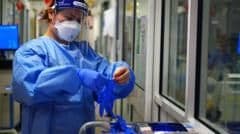
Covid Inquiry Exposes £10 Billion PPE Procurement Disaster
A damning inquiry report reveals how poor planning and a flawed VIP contract system led to nearly £10 billion in wasted taxpayer money during the pandemic.

How the UK's PPE Procurement Collapsed During the Pandemic
A comprehensive report from the UK Covid Inquiry has laid bare the catastrophic failures surrounding the government's purchase and management of personal protective equipment (PPE) during the pandemic — failures that cost British taxpayers nearly £10 billion.
The findings, overseen by inquiry chair Baroness Heather Hallett, paint a damning picture of disorganisation, wasteful spending, and a procurement system riddled with inequality. Of the £14.9 billion spent on PPE by the UK and devolved governments combined, approximately two-thirds is estimated to have been wasted.
A Stockpile in Crisis Before Covid Even Arrived
Long before the pandemic took hold, the UK's emergency stockpile of masks, gloves, and protective gowns was already in a dire state. Baroness Hallett described the situation as "perilous," noting that the country was wholly unprepared to compete in the frantic global race for PPE supplies once the crisis began.
Only one in three masks held in England's pre-pandemic reserve was actually fit for use, while Scotland had no stockpile whatsoever of FFP3 respirators — the high-grade masks essential for frontline healthcare workers. Vast quantities of equipment had simply expired and outlived their purpose.
The human cost of this failure was immediate and deeply troubling. Desperate healthcare workers resorted to using bin bags as improvised protective gear and were forced to wash and reuse disposable PPE items — practices that placed both staff and patients at serious risk.
"If governments failed to procure the required equipment and supplies, key workers, including health and social care workers, could not be properly protected; their lives and the lives of those for whom they care were put at risk," Baroness Hallett stated.
Poor Planning Made a Crisis Far Worse
The report makes clear that better preparation could have drastically reduced both the human and financial toll of the PPE shortage. While Hallett acknowledged that over-purchasing during a public health emergency is more defensible than under-purchasing, she stressed that supply should have been more carefully matched to actual demand.
"Better planning would have resulted in fairer, faster and less costly procurement decisions," the report concluded.
Hallett elaborated further, stating that had ministers and officials been armed with proper plans, reliable data, and effective systems, procurement would have been handled more efficiently, more equitably, and at a fraction of the eventual cost — while ensuring equipment reached frontline workers much sooner.
The Controversial VIP Lane System
One of the most heavily scrutinised aspects of the procurement response was the so-called VIP lane, introduced in England in April 2020. Under this arrangement, PPE supply offers were fast-tracked if they were backed by a recommendation from a government minister, Member of Parliament, peer, or other senior official.
Baroness Hallett was unsparing in her criticism of the scheme, labelling it a "misguided attempt at prioritisation" that "embedded unfairness in emergency procurement." Although she found no direct evidence of corruption or cronyism in the awarding of contracts, she concluded that the system was structurally biased in favour of those with existing political connections.
Her verdict was unambiguous: the VIP lane must never be used again in any future national emergency.
The PPE Medpro Case: A Chapter Still Unwritten
Notably absent from the published findings is any conclusion relating to PPE Medpro, a company that received government contracts worth over £200 million. The firm is linked to Conservative peer Baroness Michelle Mone through her husband, Doug Barrowman, and it was reportedly on Lady Mone's recommendation that ministers engaged with the company.
The High Court has already ordered PPE Medpro to repay £148 million after ruling that it had breached its contract to deliver millions of surgical gowns. However, with a National Crime Agency investigation still active, the inquiry has been legally restricted from publishing its findings on the case. An entire chapter of the report remains under wraps until any criminal proceedings are concluded.
Both Barrowman and Mone have denied any wrongdoing, and no charges have been brought to date.
Inquiry Progress and What Comes Next
The Covid Inquiry has been conducting public hearings across 10 separate modules since June 2023, with sessions running through to March 2026. The first batch of published reports began appearing in July 2024, with five already released to the public. The remaining reports are expected to be published by 2027, ensuring the full scope of the UK's pandemic response is subject to thorough and transparent scrutiny.

