Could Immunotherapy Be the Breakthrough Depression Treatment We've Been Waiting For?
A promising early trial from UK researchers suggests a common arthritis drug may offer new hope for patients whose depression hasn't responded to standard treatments.

A New Frontier in Depression Treatment
For the millions of people living with depression that simply refuses to respond to conventional medication, a groundbreaking early clinical trial may signal the beginning of a new era in psychiatric care. Researchers at the University of Bristol have found that an immunotherapy drug — already well-established in treating inflammatory conditions — could hold significant promise for patients with treatment-resistant depression.
The Drug at the Center of the Research
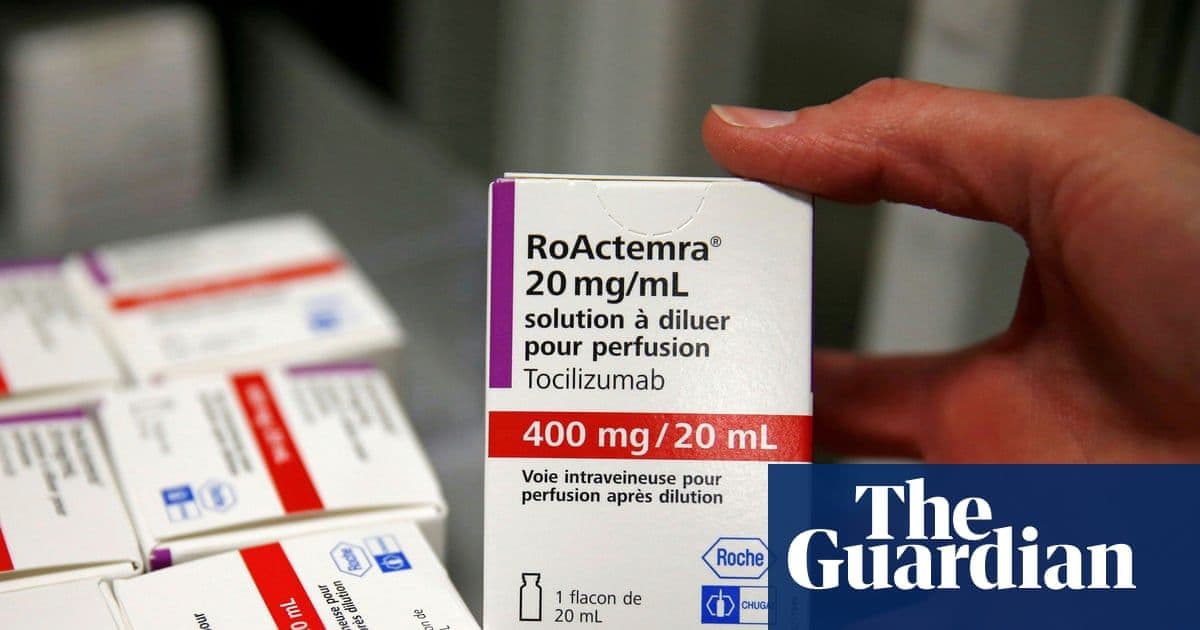
The medication in question is tocilizumab, an anti-inflammatory agent widely prescribed for autoimmune disorders like rheumatoid arthritis. It works by blocking the IL-6R receptor, effectively preventing inflammatory signals from binding to cells and triggering the immune responses associated with autoimmune disease. Scientists now believe this same mechanism may play a meaningful role in alleviating depressive symptoms, particularly in patients whose biology is linked to chronic inflammation.
Why This Matters for Depression Sufferers
Depression is far more prevalent — and far more complicated — than many people realize. Approximately one in six adults in the UK will experience moderate to severe depressive symptoms at some point in their lives. Alarmingly, around one in three people diagnosed with depression fail to improve with standard treatments, which predominantly work by targeting neurotransmitter activity in the brain. For these individuals, the current medical toolkit offers frustratingly limited options.
How the Trial Was Conducted
The clinical trial enrolled 30 participants, all of whom had been diagnosed with moderate to severe depression and had not responded adequately to conventional antidepressants. Over a four-week period, participants were randomly assigned to receive either tocilizumab or a placebo injection. Researchers then tracked changes across multiple well-established measures of mental health and wellbeing.
What the Results Revealed
While the study's small sample size meant that statistically definitive conclusions were limited, the directional findings were notably encouraging. Participants treated with tocilizumab consistently showed greater improvements over time compared to those in the placebo group. These improvements spanned several key areas, including:
- Overall depression severity
- Fatigue levels
- State anxiety
- General quality of life
Perhaps most compellingly, 54% of patients who received tocilizumab achieved depression remission, compared to just 31% in the placebo group. This translated to a Number Needed to Treat (NNT) of 5 — meaning just five patients would need to be treated for one to experience meaningful recovery. For context, the NNT for SSRIs, the most commonly prescribed first-line antidepressants, sits at approximately 7, suggesting immunotherapy could outperform existing treatments in appropriately selected patients.
Expert Voices on the Findings
Professor Golam Khandakar, a psychiatry and immunology expert at Bristol Medical School and the study's senior author, described the trial as an "important milestone" in the pursuit of new therapeutic options for hard-to-treat depression.
"This is one of the first randomised controlled trials to test immunotherapy for depression, the first to test IL-6R as the treatment target, and the first to use a targeted approach to select patients most likely to benefit — and to show that it works," Professor Khandakar stated.
Dr. Éimear Foley, a senior research associate in immunopsychiatry at the MRC Integrative Epidemiology Unit and co-author of the study, emphasized the broader implications for personalized medicine in mental health care.
"Depression is estimated to affect around 10 to 20 percent of people worldwide during their lifetime, yet for many patients current treatments do not work well enough," Dr. Foley explained. "Our study moves us closer to more tailored depression care, where treatments are chosen to better fit a person's biology. This will help us provide the right treatment to the right patients at the right time."
What Comes Next
Researchers are clear that while these findings are early and based on a small participant group, they lay an important foundation for larger, more comprehensive trials. The study represents a meaningful shift in how scientists are thinking about depression — not purely as a chemical imbalance in the brain, but potentially as an inflammatory condition in some patients, one that may respond to an entirely different class of medication.
For the growing number of people worldwide for whom antidepressants have offered little relief, this research offers something increasingly rare: genuine reason for optimism.

