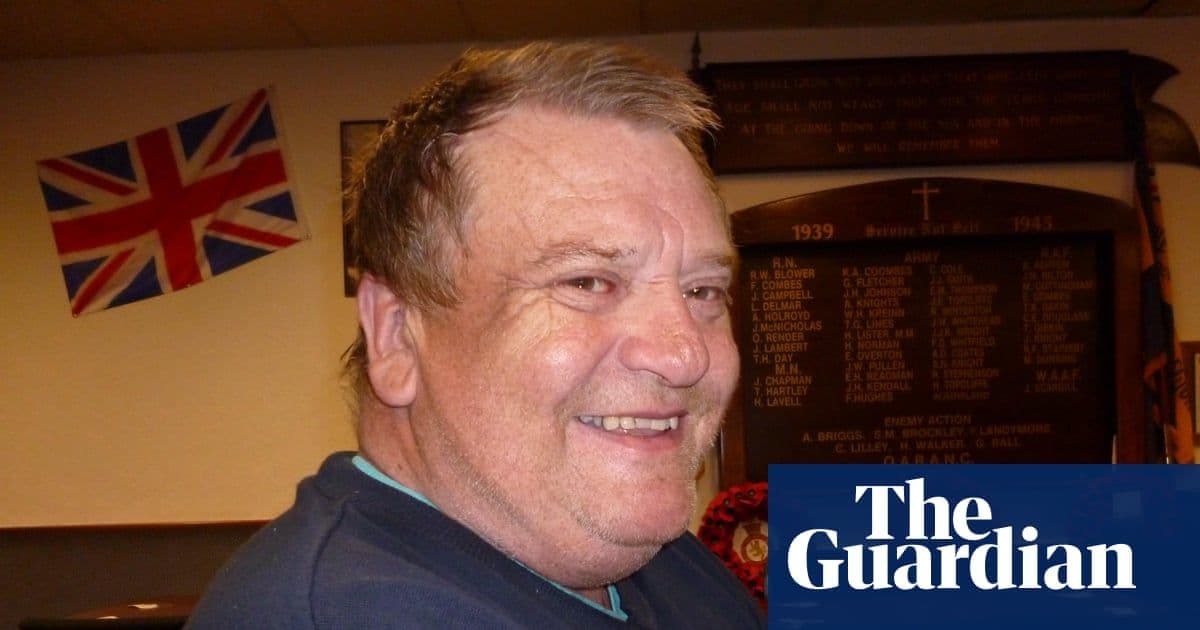
Coroner Rules Ambulance Delays May Have Contributed to Man's Death During Power Outage
A coroner has ruled that delays in ambulance response possibly contributed to the 2019 death of Peter Coates, whose breathing equipment failed during a power cut.
Family Finally Gets Answers After Five-Year Fight for Justice
A coroner has determined that critical delays in ambulance response may have played a role in the death of a 62-year-old man in 2019, whose family spent years battling what they described as institutional resistance to uncover the truth.
Peter Coates, a resident of Redcar in northeast England, passed away in the early morning hours of March 14, 2019, after a local power outage disabled the mains-powered breathing equipment he depended on to survive. His family has since welcomed the coroner's findings, calling the conclusion a long-overdue acknowledgment after enduring what they described as years of frustration and emotional suffering.
A Chain of Failures on a Fatal Night
When the power cut struck, Coates immediately dialed 999. The North East Ambulance Service (NEAS) dispatched a vehicle, but the same power outage had rendered the electric gates at the nearest ambulance station inoperable. Station staff were unaware of how to manually override the gate controls, leaving the closest ambulance trapped inside.
A second ambulance was sent from a more distant station. However, the crew was permitted to stop at a petrol station en route — despite the vehicle carrying nearly half a tank of fuel. The coroner noted that the stop lasted four minutes and that only fuel was purchased during that time.
When paramedics finally arrived at Coates's home, they encountered yet another obstacle: they were unable to locate the key safe quickly enough to gain entry, despite Coates having provided the necessary details during his emergency call. By the time the crew made it inside, 47 minutes had passed since Coates had first called for help. He had already died.
Coroner Identifies Systemic Gaps in Emergency Response
Presiding over the inquest in Middlesbrough, Coroner Paul Appleton delivered a narrative conclusion stating that the ambulance delays had "possibly" contributed to Coates's death. The call had been classified as a Category Two emergency — the second-highest priority level — because Coates was able to speak when he phoned. Under national targets, 90% of Category Two calls should receive a response within 40 minutes, compared to a 15-minute target for Category One calls.
Appleton announced his intention to submit a Prevention of Future Deaths report to NHS England, citing a concerning gap in how patients are categorized. He highlighted that individuals requiring an immediate emergency response but who are not in cardiac or respiratory arrest cannot be classified as Category One — a distinction that may delay critical care for vulnerable patients.
A Voice on the Recording
During the inquest, an audio recording of Coates's 999 call was played to the court. In it, Coates can be heard saying: "I'm breathing, but only just. You'd better get someone quick." He had been unable to reach his portable oxygen bottles in the moments following the power failure.
A Life Cut Short
Coates had dedicated his entire working life to Redcar British Steel. After being diagnosed with lung cancer and achieving remission, his health never fully recovered. He was subsequently diagnosed with chronic obstructive pulmonary disease (COPD) and relied on a CPAP machine and portable oxygen to breathe day to day.
His home was located just minutes from the ambulance station that initially attempted to respond to his call — a detail that made the sequence of failures all the more devastating for his family.
Whistleblower Exposed the Truth
In a particularly troubling revelation, the Coates family learned the full details of what transpired that night not from the ambulance service itself, but through a whistleblower who leaked a dossier of information to a national newspaper three years after the incident. The documents alleged that NEAS had been concealing its operational failures surrounding Coates's death.
His daughter, Kellie Coates, spoke candidly about the toll the experience had taken on her family. "This process for us has not just been about managing grief," she said. "It has been about challenging a system that seems to be more focused on protecting itself than it is on acknowledging and learning from its mistakes."
Ambulance Service Issues Apology
Karen O'Brien, Deputy Chief Executive at NEAS, acknowledged the tragedy and confirmed that procedural changes had since been implemented, including providing station staff with guidance on how to manually operate gate controls. "This is a tragic incident which we understand has deeply affected the family and those staff at NEAS who were involved," she said. "We are truly sorry that we were not quicker in responding to Mr Coates's call."
O'Brien also expressed regret over the length of time it took to reach a formal conclusion, offering renewed condolences to the Coates family for their loss.