Cornwall Council Pledges to Hear Public Concerns Over Return of Controversial Weedkiller
Cornwall Council says it will listen to objections after plans to reintroduce glyphosate sparked protests and a council vote calling for reconsideration.

Cornwall Council Vows to Address Glyphosate Concerns Following Public Protests
Cornwall Council has committed to taking seriously the growing wave of objections surrounding its decision to reintroduce a chemical weedkiller on local roads and highways — a substance the authority had avoided using for the past ten years.
The council announced plans to resume the use of glyphosate, a widely debated herbicide, in a targeted and more diluted form beginning next month. However, the decision has sparked significant backlash from residents, environmental advocates, and local government representatives alike.
Protests Outside Council Headquarters
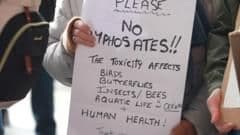
Demonstrators gathered outside the council's offices in Truro on Tuesday, coinciding with a full council meeting where the controversial proposal was formally debated. The public display of opposition reflected broader anxieties about both the health implications of glyphosate and the potential damage it could cause to local ecosystems.
Criticism has also been directed at the limited window given to towns and parishes to opt out of the scheme, with many local communities arguing they were not given adequate time to assess the consequences or develop alternative strategies.
Councillors Voice Strong Opposition
Green group leader Councillor Drew Creek was among the most vocal critics, arguing that reintroducing glyphosate would pose risks not only to the natural environment but also to human health. Creek urged the council to take a more cooperative approach, calling on decision-makers to work alongside town and parish councils to identify and explore alternative weed management solutions.
Labour group leader Councillor Kate Ewert also weighed in sharply, accusing the council of showing a lack of respect toward smaller local authorities throughout the process.
"They've given them no time to put in back-up plans, essentially just holding a gun to their head to say 'you have to opt in,'" Ewert said, highlighting what she described as a rushed and dismissive consultation process.
Council Says the Message Has Been Heard
Despite Tuesday's vote being advisory in nature — meaning the cabinet is under no legal obligation to act upon it — senior council figures indicated they would not simply brush aside the democratic signal it represented.
Loic Rich, the cabinet portfolio holder for the environment, acknowledged that the meeting had delivered an unmistakable message.
"I just don't think we could ignore that," Rich said. "We had a motion and I think that's because people around Cornwall felt that the idea of weed control that we're proposing has not given the towns and the parishes enough time to properly consider implications."
He added: "We're going to have to listen to the council. They've made a message today loud and clear to us and we're going to listen."
What Happens Next
While no firm reversal of the plan has been announced, the council's tone suggests that further dialogue with local communities is now on the agenda. Residents and local parishes will be watching closely to see whether the promise to listen translates into meaningful changes to the rollout timeline or the scope of the glyphosate program itself.
The debate over glyphosate is far from unique to Cornwall — the herbicide remains one of the most contested chemicals in environmental and public health discussions globally, with ongoing debates about its long-term safety and ecological impact.

