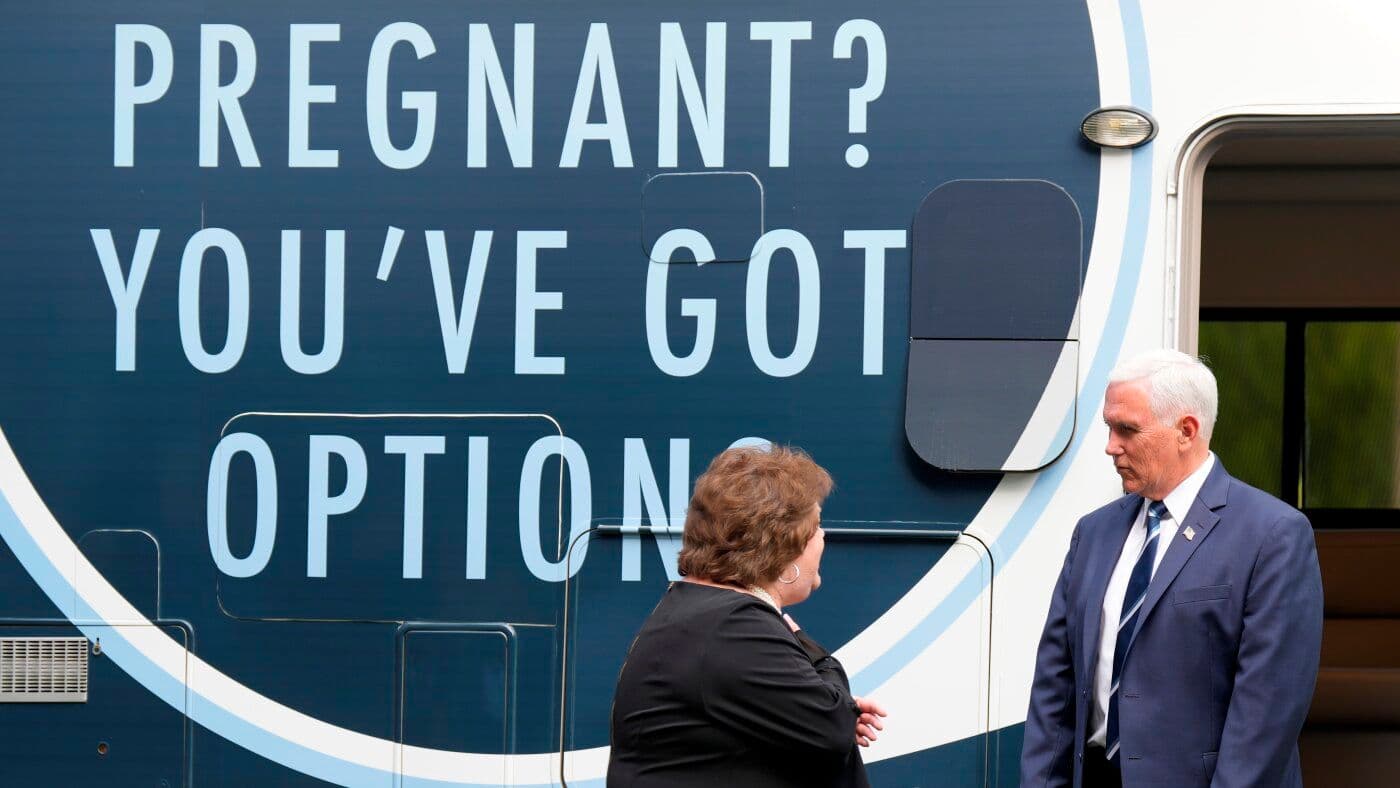
Conservative States Rally Behind Model Legislation to Shield Crisis Pregnancy Centers
Republican-led states are advancing the CARE Act to protect crisis pregnancy centers from government oversight, while critics warn of deceptive practices and blurred medical boundaries.
Conservative States Push to Legally Protect Crisis Pregnancy Centers
A wave of Republican-controlled state legislatures is advancing model legislation designed to shield crisis pregnancy centers from government regulation and oversight — a coordinated effort backed by a prominent conservative Christian legal organization that played a pivotal role in dismantling Roe v. Wade.
What Is the CARE Act?
The Center Autonomy and Rights of Expression Act — commonly referred to as the CARE Act — was crafted by the Alliance Defending Freedom (ADF), a conservative Christian legal advocacy group staunchly opposed to abortion. The legislation prohibits state and local governments from compelling crisis pregnancy centers to perform abortions, issue referrals for abortion-related services, or inform patients about abortion options and contraception. It also grants these centers the legal standing to sue any government entity that violates those provisions.
Wyoming became one of the latest states to pass the measure, approving its version on March 4. Similar legislation has advanced in Kansas and Oklahoma, while Montana signed a version into law in 2025. A federal counterpart — the Let Pregnancy Centers Serve Act — was introduced in Congress but has stalled in the House Energy and Commerce Committee.
The Alliance Defending Freedom's Growing Influence
The ADF is no stranger to shaping national abortion policy. The organization also drafted the Gestational Age Act, a model 15-week abortion ban that became the foundation for a 2018 Mississippi law. That law eventually gave rise to the landmark Dobbs v. Jackson Women's Health Organization Supreme Court case, which in 2022 overturned the nearly 50-year-old constitutional right to abortion established under Roe v. Wade.
Now, the ADF is turning its legal expertise toward protecting the network of organizations that counsel women against abortion. In promotional materials for the CARE Act, the group argues that a coordinated campaign by government officials at the federal, state, and local levels is actively working to undermine and shut down pregnancy care centers.
Supporters Say Centers Face Unprecedented Threats
Advocates for the legislation contend that crisis pregnancy centers have been increasingly targeted following the fall of Roe. In Wyoming's February legislative hearing, Valerie Berry, executive director of the LifeChoice Pregnancy Care Center in Cheyenne, told lawmakers that the bill was not about creating division but about safeguarding constitutional freedoms — specifically freedom of speech and freedom of conscience.
Wyoming state Rep. Rachel Rodriguez-Williams, a Republican who chairs the sponsoring committee, framed the measure as especially critical given Wyoming's status as a "maternity desert" — a region with severely limited access to maternal health care services.
However, not all Republicans were enthusiastic. State Rep. Ken Clouston raised concerns about extending protections to pregnancy centers that other private businesses do not receive, questioning whether such "extra special protections" were warranted.
Critics Warn of Deception and Medical Risks
Opponents paint a very different picture. Detractors argue that many crisis pregnancy centers deliberately present themselves as legitimate medical clinics despite not being subject to the same state and federal regulations that govern actual health care facilities.
Mary Ziegler, a law professor at the University of California-Davis School of Law, said the CARE Act would effectively insulate these centers from medical accountability standards and further blur the line between advocacy and clinical care. She also noted the political dimension: with abortion bans in place across numerous states, Republicans need a messaging strategy to demonstrate concern for women's health without committing public resources to reproductive care.
"The strategy is to outsource that to pregnancy counseling centers, which of course increases the incentive to protect them," Ziegler said.
Julie Burkhart, president and founder of Wellspring Health Access — Wyoming's only abortion clinic, which was targeted in an arson attack in 2022 — argued that legitimate reproductive health providers are the ones facing real dangers, not just regulatory scrutiny.
The Landscape of Crisis Pregnancy Centers vs. Abortion Clinics
As of 2024, more than 2,500 crisis pregnancy centers operate across the United States, according to research from the University of Georgia. By contrast, only 753 clinics providing abortion services remained open by the end of 2025.
While some crisis pregnancy centers employ licensed clinicians, many do not. They frequently offer free practical resources — diapers, baby clothing, formula — often contingent on participation in counseling or parenting classes. These centers are not regulated as medical organizations.
Planned Parenthood clinics, by comparison, provide comprehensive health services including STI testing and treatment, cancer screenings, and primary care, and operate under medical licensure requirements. The Congressional passage of the One Big Beautiful Bill Act, signed by President Donald Trump, cut Medicaid payments to abortion providers, contributing to the closure of more than 50 Planned Parenthood clinics last year.
The Charlotte Lozier Institute, affiliated with the anti-abortion nonprofit SBA Pro-Life America, has suggested that crisis pregnancy centers could fill the gap left by those closures — a prospect Ziegler says would expose patients to serious medical risks.
State-Level Battles Over Oversight and Transparency
The regulatory battles playing out in conservative states stand in sharp contrast to efforts in states like California, Colorado, and Vermont, where lawmakers have attempted to impose greater transparency requirements on crisis pregnancy centers amid allegations of deceptive practices and patient privacy violations.
In 2024, a watchdog organization urged attorneys general in five states to investigate whether pregnancy centers were misleading patients into believing their personal data was protected under HIPAA.
Courts, including the U.S. Supreme Court, have largely sided with faith-based organizations in these disputes, ruling that regulatory mandates requiring disclosure of services violate First Amendment rights to free speech and religious expression. The Supreme Court is also currently weighing a case that will determine whether states can subpoena crisis pregnancy centers for donor lists and internal documents.
As the legal and legislative battles intensify on both sides, the future role of crisis pregnancy centers in the post-Roe American health care landscape remains deeply contested.